




































West Asia Tensions: Narendra Modi Calls for Diplomacy in Conversation with Masoud Pezeshkian
Prime Minister Modi spoke with Iranian President Pezeshkian, congratulating him on Eid and Nowruz. He expressed concern over the ongoing conflict in the Middle East and regional stability. PM Modi condemned attacks on vital infrastructure.
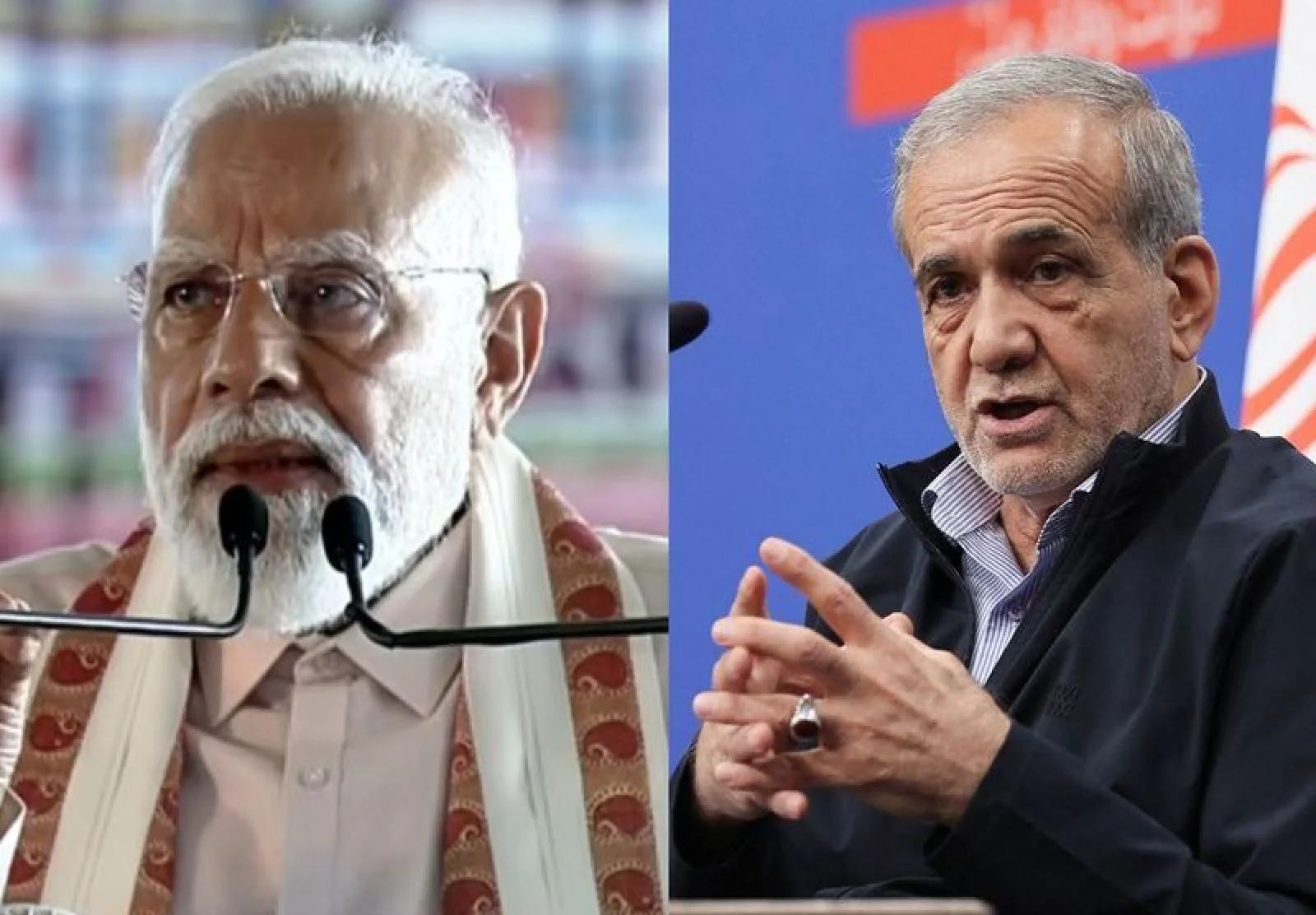
Amid the ongoing serious conflict between the US, Israel, and Iran in West Asia, Prime Minister Narendra Modi spoke with Iranian President Dr. Masoud Pezeshkian by telephone on Saturday. This was the second time the two leaders were talking since the start of the fighting in West Asia. They were discussing the ways of resolving the tensions and supporting the peace process.
Modi told the Iranian president that the war is of no use and that all sides must take immediate measures towards peace. He mentioned the Persian Gulf and the need to keep it open for navigation. He also mentioned the Strait of Hormuz, through which 20 percent of the world’s energy is transported. He said that the Indian energy needs rely on this route. Current sanctions are severely impacting shipping traffic.
Modi expressed his appreciation for Iran's continued support for the safety and assistance of Indian citizens living in Iran. He posted on Twitter, "Spoke to President Dr. Masoud Pezeshkian and wished him a happy Eid and Nowruz. We hope this festive season will bring peace, stability, and prosperity to West Asia."
Want to get your story featured as above? click here!
He condemned attacks on critical infrastructure and stressed the need to protect free navigation and keep shipping lanes open and safe. The Indian government released only this much information about the talks between the two leaders, but in the evening, Iran's Foreign Ministry released a more detailed statement, stating that Modi strongly condemned any attack on energy installations.
According to the statement released by Iran, Pezeshkian described the attacks on Iran by the US and Israel as inhumane and immoral and strongly condemned them. He stated that these attacks were carried out without any justification, logic, or legal basis. Iran demanded an immediate end to aggression and concrete guarantees to prevent future recurrence of such incidents.
Pezeshkian proposed establishing a security framework in West Asia involving regional countries that ensures peace and stability based on cooperation and is free from foreign interference. Furthermore, the Iranian President called on the BRICS organization to play an independent role in preventing aggression against Iran and actively contribute to safeguarding regional and international peace and stability.
Iranian President Pezeshkian informed Modi that Iran's former Supreme Leader, Ayatollah Ali Khamenei, had issued administrative and religious directives against the development of nuclear weapons. He stated that Khamenei had firmly opposed nuclear weapons and had strictly prohibited any move towards them.
For decades, Iran has cited this fatwa as the basis of its nuclear policy, and reiterating it in the current crisis is seen as an attempt to present Iran's peaceful intentions to the international community. Very few global leaders have directly contacted the Iranian President since the conflict began and Prime Minister Modi is among the few leaders who have maintained communication during the crisis.