













































A single-judge Bench of Justice Saugata Bhattacharyya declined the request, clearly stating that the matter could not be heard before July 7 under any circumstances. This decision comes amid an ongoing legal battle where the CID seeks Banerjee’s voice samples in connection with allegations of making inciting statements and threatening Union Home Minister Amit Shah during a campaign rally ahead of the recently concluded Assembly polls.
The development marks the latest twist in a case that has drawn significant political and legal attention. Earlier, on June 30, another single-judge Bench of Justice Tirthankar Ghosh had refused to entertain Banerjee’s plea for exemption. Justice Ghosh had observed that the court could not dictate the course and style of investigation to any probe agency. Following this order, Justice Ghosh recused himself from further hearings in the matter.

Subsequently, Banerjee’s counsel approached Justice Bhattacharyya’s Bench seeking an expedited hearing. However, the request for fast-tracking was turned down, maintaining the scheduled timeline for July 7.
Meanwhile, after the initial court proceedings, a district court in North 24 Parganas issued a second notice on July 1, directing Abhishek Banerjee to appear by 10 A.M. on July 8. The notice specifies that CID officials would collect his voice samples in the presence of a Judicial Magistrate and forensic experts.
It remains to be seen whether Justice Bhattacharyya’s Bench will grant exemption from providing voice samples during the hearing on July 7 — just a day before the scheduled district court appearance. The timing adds a layer of urgency and suspense to the proceedings.
Banerjee, who is also the nephew of former West Bengal Chief Minister Mamata Banerjee, has been granted interim protection from coercive police action, including arrest, as directed by Justice Bhattacharyya’s Bench. However, the court has emphasised the need for full cooperation with the investigating agency. The Bench had previously directed the CID to inform the court if the Trinamool Congress leader failed to extend necessary cooperation during the probe.
The case revolves around statements allegedly made by Abhishek Banerjee during election campaigning. The CID’s pursuit of voice samples forms a critical part of their investigation into claims of incitement and threats.
Legal observers note that the High Court’s consistent stance against fast-tracking and its emphasis on investigative autonomy reflect the judiciary’s cautious approach in matters involving political figures and ongoing probes. The interim protection granted to Banerjee balances individual rights with the requirements of a fair investigation.
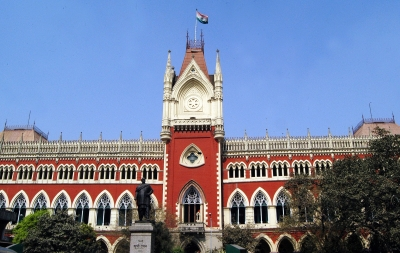
As the July 7 hearing approaches, all eyes remain on the Calcutta High Court’s decision regarding the exemption plea. The outcome could have significant implications for the trajectory of the case and Banerjee’s obligations toward the investigating authorities.
This matter continues to highlight the complex intersection of politics, law enforcement, and judicial oversight in West Bengal. Both legal teams and political circles are closely monitoring developments, as the case carries potential ramifications beyond the immediate legal proceedings.
Viewers and followers of state politics await clarity on whether the voice sample collection will proceed as scheduled or if the High Court will intervene with a ruling on the exemption petition.