






































.jpg)









University of Washington Students Win $10,000 for CPRight, a Wallet-Sized CPR Guidance Patch
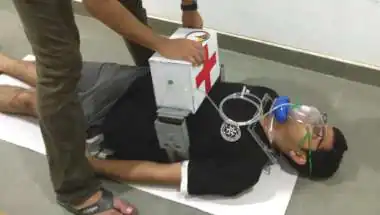
Indian-origin students have developed a wallet-sized patch called "CPright" to make CPR easier.

I
India
NEWS CARD

“University of Washington Students Win $10,000 for CPRight, a Wallet-Sized CPR Guidance Patch”

Read more on
en.sangritimes.com/s/34ff5b
19 Oct 2026
CPR (Cardiopulmonary resuscitation) helps to increase the survival chances of the victim in case of cardiac arrest or heart attack. However, lack of proper training makes it impossible for many individuals willing to assist to do CPR properly.
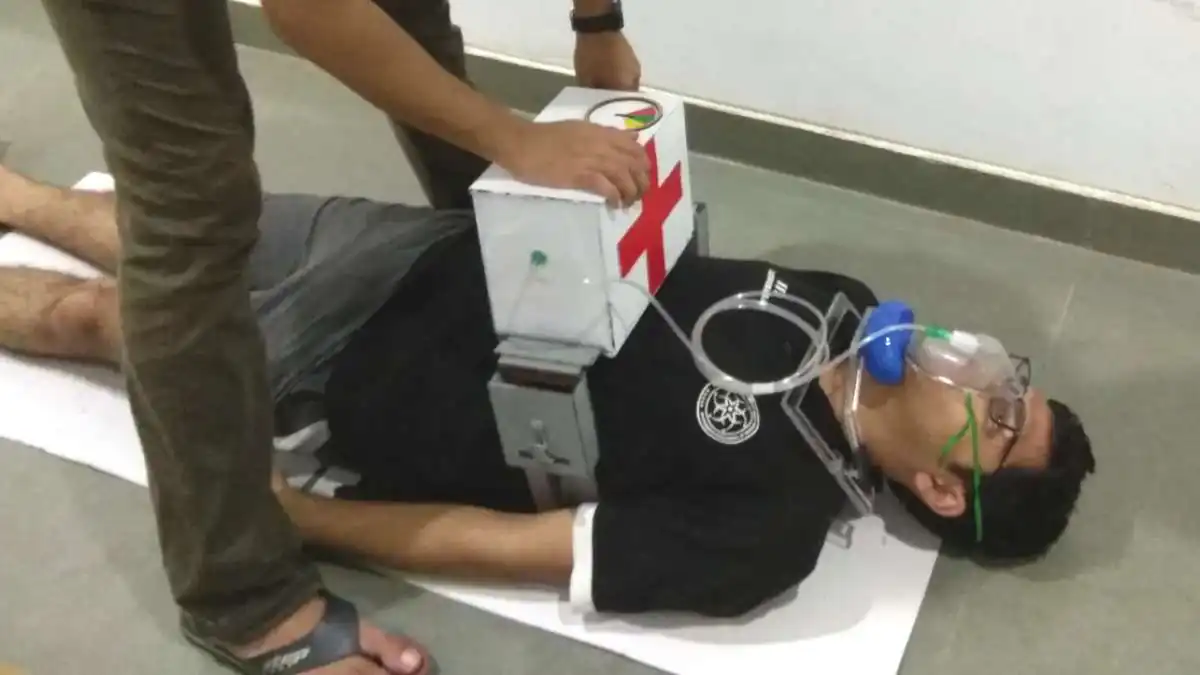
Four Indian-American students attending the University of Washington have developed a patch of a small size that can fit into a wallet in order to solve the problem.
"CPright," the device is named, shows how to do proper chest compressions, including the exact place, rate, and depth. It won the first place and $10,000 prize in the undergraduate division of the Collegiate Inventors Competition.