Every year, the weeks around Diwali and Chhath Puja test India's railways more than almost any other time. This November, the Ahmedabad Division of Western Railway got a clear measure of that test. More than 8.20 lakh passengers travelled from its stations in only the first six days of the month.
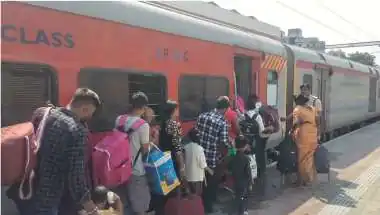
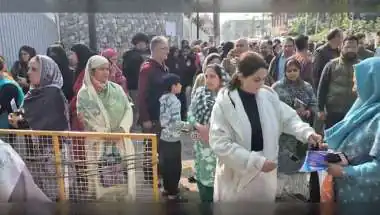
The breakdown says a lot about who is travelling. Between November 1 and 6, 4.55 lakh passengers used unreserved tickets, compared with 3.65 lakh on reserved tickets. Many of them are migrant workers from Uttar Pradesh and Bihar who work in Gujarat's industrial and commercial hubs, and for them general-class coaches are often the only practical way to get home for Chhath. The pressure on stations comes from them, not from passengers holding confirmed berths.
Ahmedabad Railway Station alone handled more than 3.20 lakh passengers. Sabarmati followed with 1.30 lakh and Asarwa with around 50,000, so these three stations together accounted for more than five lakh of the division's total.
Special trains, wider reach
To meet the demand, Western Railway is running 73 special train trips from the division during November. They leave from Ahmedabad, Sabarmati, Asarwa, Bhuj and Gandhidham and go to Lucknow, Kanpur, Agra, Mumbai, Prayagraj, Muzaffarpur, Darbhanga, Barauni, Rajgir, Jaipur, Haridwar and Bhagalpur. Most of these cities lie on the main Gujarat–Purvanchal–Bihar migration routes.
From crowded platforms to holding areas
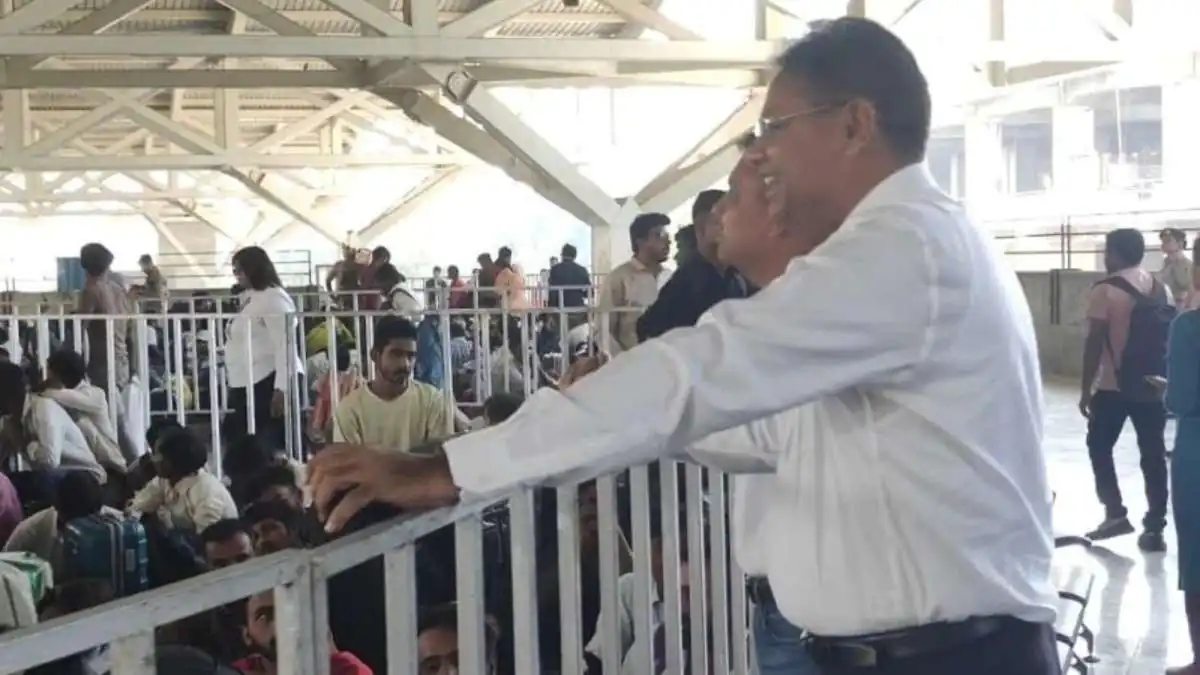
The most visible change is the move away from packed platforms. Special holding areas at Ahmedabad and Sabarmati stations keep waiting passengers off the platforms. These areas have seating, drinking water, lighting and fans, and passengers board through queues rather than rushing for the doors.
General-class travellers are also given food packets, water bottles, chips and biscuits. Voluntary organisations and NGOs are helping to distribute food and drinking water. Extra cleaning staff have been deployed, and water coolers are checked regularly.
For security, additional RPF and GRP personnel, ticket-checking staff and other railway employees are on duty. CCTV cameras cover platforms, foot overbridges and entry and exit gates. A war room in the control building at the DRM's office tracks passenger movement and train operations round the clock.
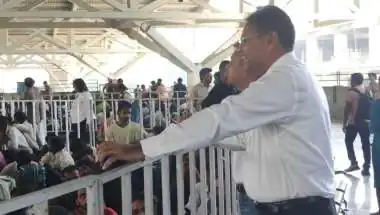
Divisional Railway Manager (DRM) Ved Prakash stayed at Ahmedabad Railway Station late into the night to check the arrangements. He reviewed CCTV surveillance, real-time crowd management and the queue-based boarding system. He told officials to coordinate immediately through the war room if any station saw excessive crowding or passengers faced problems.
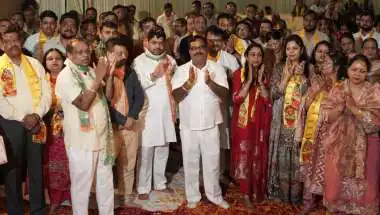
He also spoke with passengers heading to Uttar Pradesh and Bihar, wished them a happy Chhath Puja and asked them to board in an orderly manner. Passengers joined him in chanting "Chhath Maiya Ki Jai" and praised the arrangements. They said that after a short wait, they were allowed to board in an organised way and could continue their journey home.
Why it matters
Crowd crushes at stations during festivals have long been a safety concern across the country. Ahmedabad's approach uses holding zones, queued boarding, CCTV monitoring and a central war room. It treats festive crowds as a planned operation rather than something to react to at the last minute, and other high-migration divisions could adopt the same model.
Information on special services is being shared through display boards, public announcements and social media. Railways has asked passengers to follow guidelines, stay disciplined on station premises and reach stations well before their departure time.
With inputs from IANS