

















































.jpg)










From Operation Parakram to ‘Cold Strike’: Army Rethinks War Doctrine
The 'Cold Start Doctrine', born after Operation Parakram, is now being transformed into 'Cold Strike'. Inspired by the experiences of Operation Sindoor, this change aims to address long-standing shortcomings such as a lack of inter-service integration and political approval.


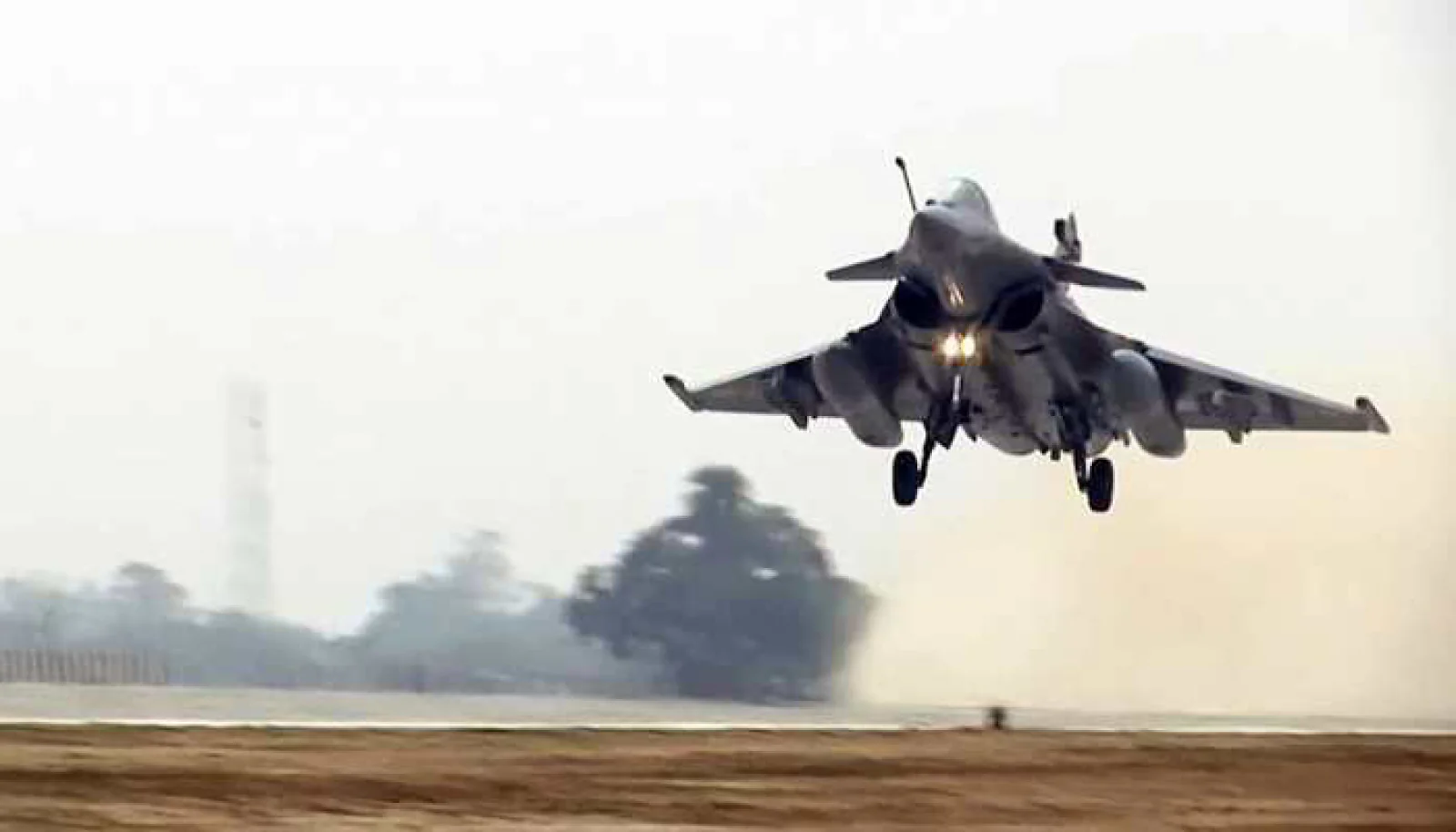

"Operation Parakram" was launched in response to the terrorist attack on Parliament in December 2001. It saw the deployment of the largest army since 1971. Although there has been a huge deployment of resources, there has been no immediate political result, and the army has been forced to reassess its strategy.
This frustration led to the ‘Cold Start Doctrine’ that sought to launch a quick and limited military intervention within 48 to 72 hours against the terrorism backed by Pakistan. However, the recent experiences of the Indian army in fighting terrorists in Operation Sindoor have elevated the ‘Cold Start Doctrine’ to a new level.
Now, the Indian army is preparing to transform its "Cold Strike" into a "Cold Strike" by filling the long-standing gaps, including the absence of inter-service integration and political sanction. Immediately following Operation Sindoor, senior Army officials expressed their intention to further strengthen the "Cold Start Doctrine" and rename it "Cold Strike" at various forums.