






















































India Gradually Shifts Crude Oil Strategy as Saudi Arabia Rises as Top Supplier
India Oil Strategy 2026: India has initiated a balanced shift in crude oil imports. Imports from Russia have declined due to sanctions, while supplies from Saudi Arabia have increased. Saudi Arabia may become India's largest supplier in February. Experts believe costs may increase slightly, but India is formulating a strategy keeping geopolitical balance and energy security in mind.


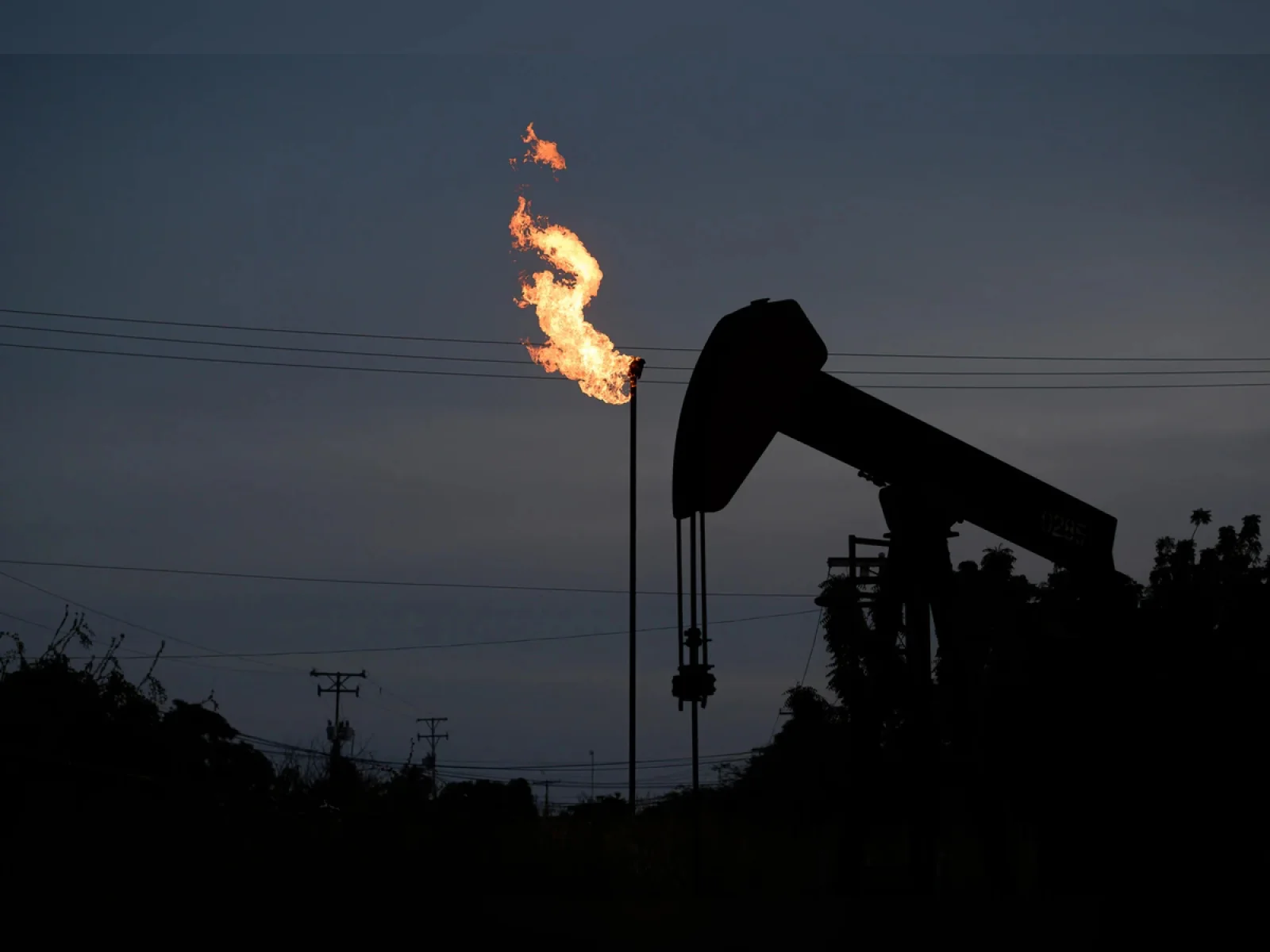

In the context of global sanctions and geopolitical pressure, India has started a balanced shift in its crude oil import policy. Recent data suggests that Saudi Arabia is once again becoming the largest crude oil supplier to India, while oil imports from Russia are declining. However, this is not being done in a hurry, but in a phased manner.
India’s total crude oil imports between February 1 and 18 averaged 4.85 million barrels per day, which is about 8 percent lower than the 5.25 million barrels per day that India imported in January. According to the data available on shipping activity, India’s imports from Russia were 1.28 million barrels per day in December 2025. This has come down to 1.22 million barrels per day in January and 1.09 million barrels per day in early February. Experts estimate that it could remain between 8 and 10 million barrels per day in March.
After the Ukraine war, India increased its purchases of Russian oil at discounted rates. At one point, Russia became India's largest supplier, accounting for approximately 40 percent of total imports. However, new US and EU sanctions have now put pressure on Russian oil. Problems related to payment, shipping, and insurance have also impacted flows.