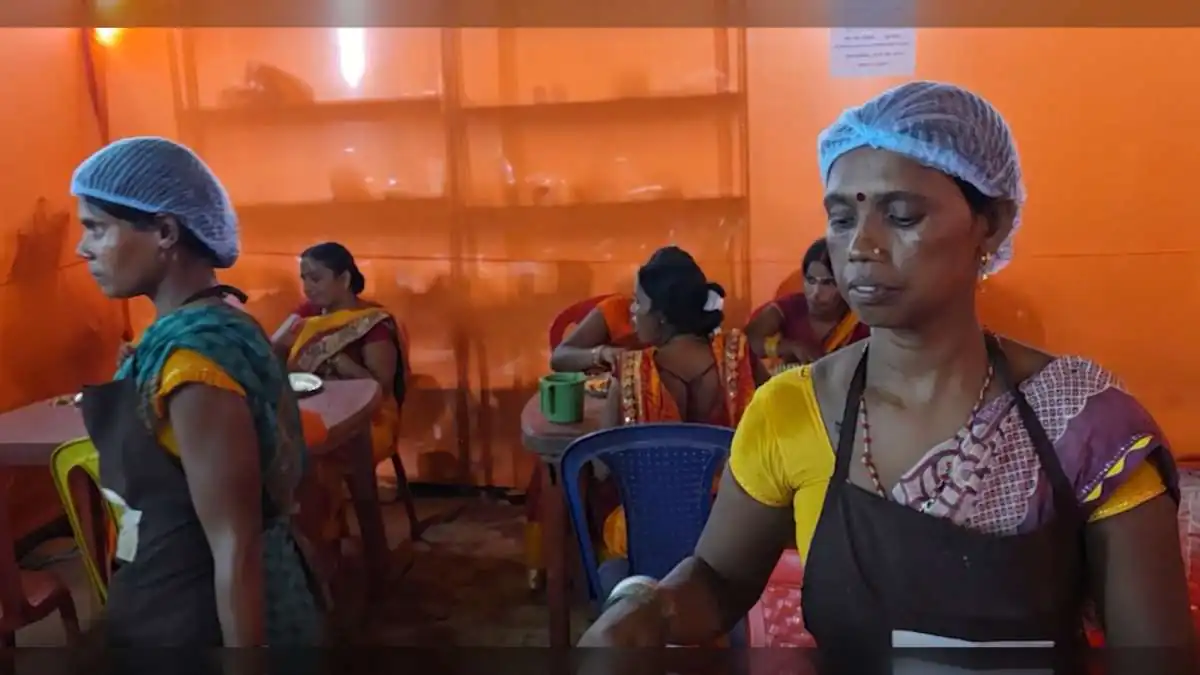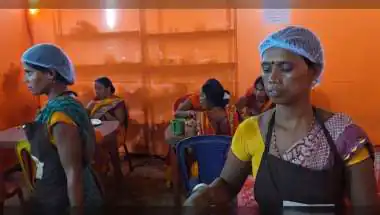





























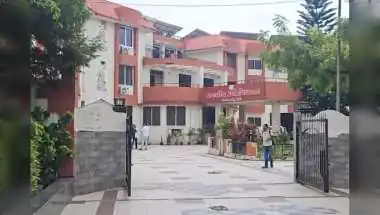
Operating near the Namami Gange Ghat, the community-run kitchen serves fresh, hygienic, and sattvic meals to over 1,000 pilgrims (Kanwariyas) daily as they prepare for their grueling foot march to the Baba Baidyanath Temple in Deoghar.
The social initiative is expected to generate a total turnover of approximately ₹30 lakh over the course of the religious fair, with participating women earning between ₹8,000 and ₹10,000 each.

Socio-Economic Impact and On-Ground Voices
Saurabh Kumar, manager of JEEViKA Didi’s Kitchen at Namami Gange Ghat, highlighted the transformative nature of the program for women who previously lacked formal income-generating avenues.
"More than 100 women are employed here through JEEViKA, all belonging to local communities around Sultanganj. Many of these women were previously unengaged in gainful employment. Upon learning of this opportunity through the JEEViKA network, they stepped forward and secured structured work," Kumar told news reporters on-site.
For operational leads like Ritu Devi, who manages one of the main food collection counters, the kitchen bridges public service and commercial viability. She noted that maintaining affordable pricing while serving nutritious meals has allowed the facility to turn a healthy profit while fostering self-reliance among women who were previously dependent on household allowances.
Spiritual Backdrop and Administrative Framework
The economic drive operates amidst intense religious fervor across the region. At the nearby Baba Baidyanath Temple in Deoghar, doors opened at 4:08 a.m. following the traditional Sardari Puja performed by head priest Gaurav Jha. Over 2,26,740 devotees offered holy water at the sanctum sanctorum on Friday alone, amidst chants of "Har Har Mahadev" and "Bol Bam."
The kitchen network is part of the Bihar Rural Livelihoods Promotion Society (BRLPS), a World Bank-assisted state initiative popularly known as JEEViKA. Launched by the Government of Bihar to eliminate rural poverty, the initiative has expanded its scope over the years—incorporating the Livelihoods Restoration and Enhancement component of the Bihar Kosi Flood Recovery Project—to build sustainable micro-enterprises run exclusively by rural women's self-help groups (SHGs).