




























































Tex-RAMPS Scheme: 15 States Partner With Centre to Strengthen Textile Industry
Indian textile manufacturers have found a new path after the US tariffs. Fifteen states have signed a memorandum of understanding to revolutionize the textile sector. The aim is to make India a global textile hub by 2030 and double its trade and exports. Under the Textile Ministry's "Tex-RAMPS" scheme, this initiative will promote research, evaluation, and start-ups, strengthening the industry at the grassroots level.


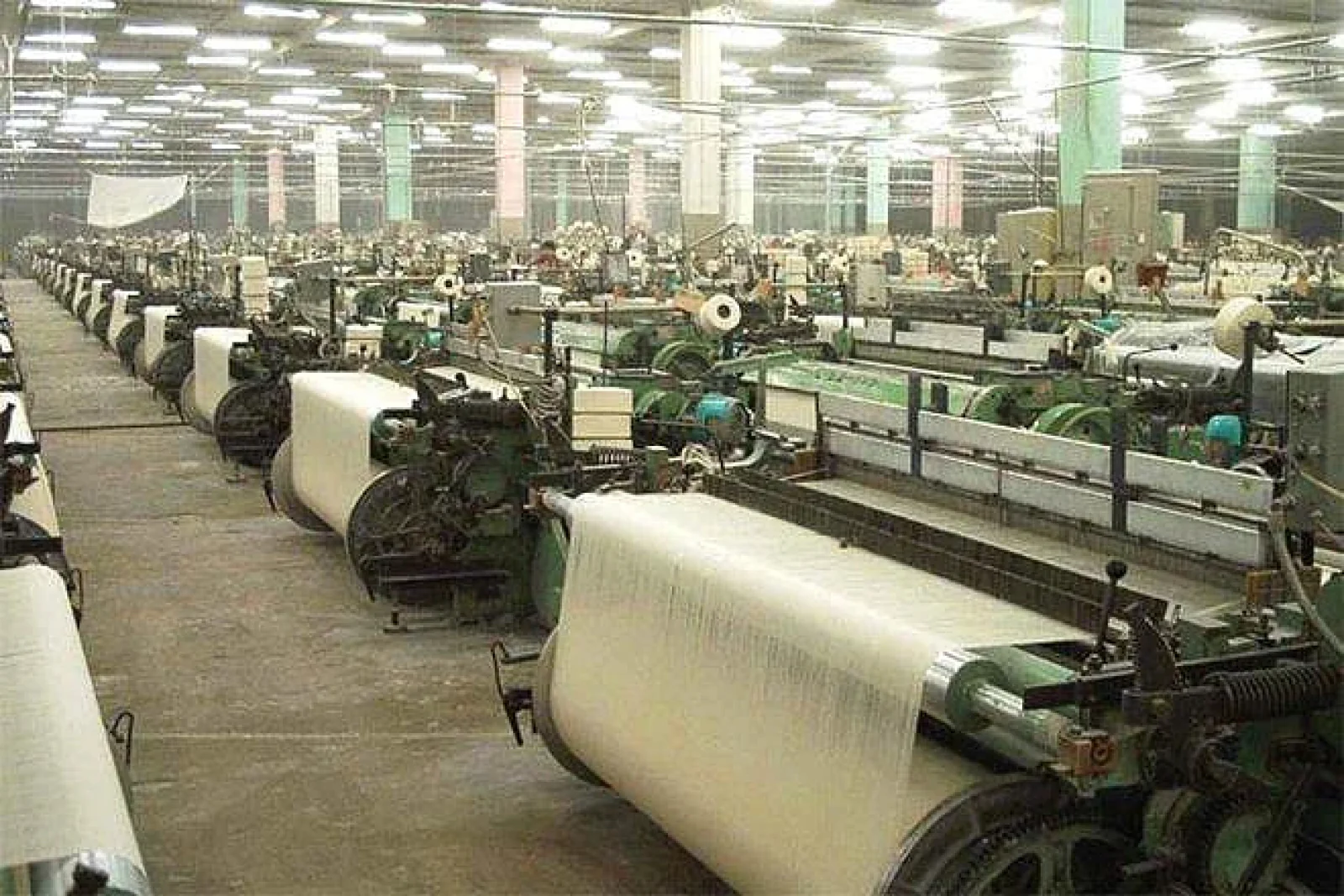

Though there are obstacles introduced through US tariffs to Indian textile manufacturers and exporters, there is a continued move to explore new markets. However, 15 states signed a memorandum of understanding on Thursday to revolutionize the textile industry.
This deal would allow India to become a hub for textiles. As part of efforts to double the country’s textile trades and exports by 2030, a two-day conference for textile ministers from all states has been called by the Ministry of Textiles in Guwahati.
According to the Ministry of Textiles, the ministerial conference will discuss and reach agreements on promoting Textile-Related Research, Evaluation, Monitoring, Planning, and Start-ups (Tex-RAMPS) between the central and state governments.