


















































.jpg)











62% of Ships Bound for India Switched Off Tracking Systems in Strait of Hormuz Amid Iran Tensions: Report
Due to the threat of potential Iranian attacks in the Strait of Hormuz, most commercial ships arriving in India are turning off their tracking systems, a process known as "going dark."


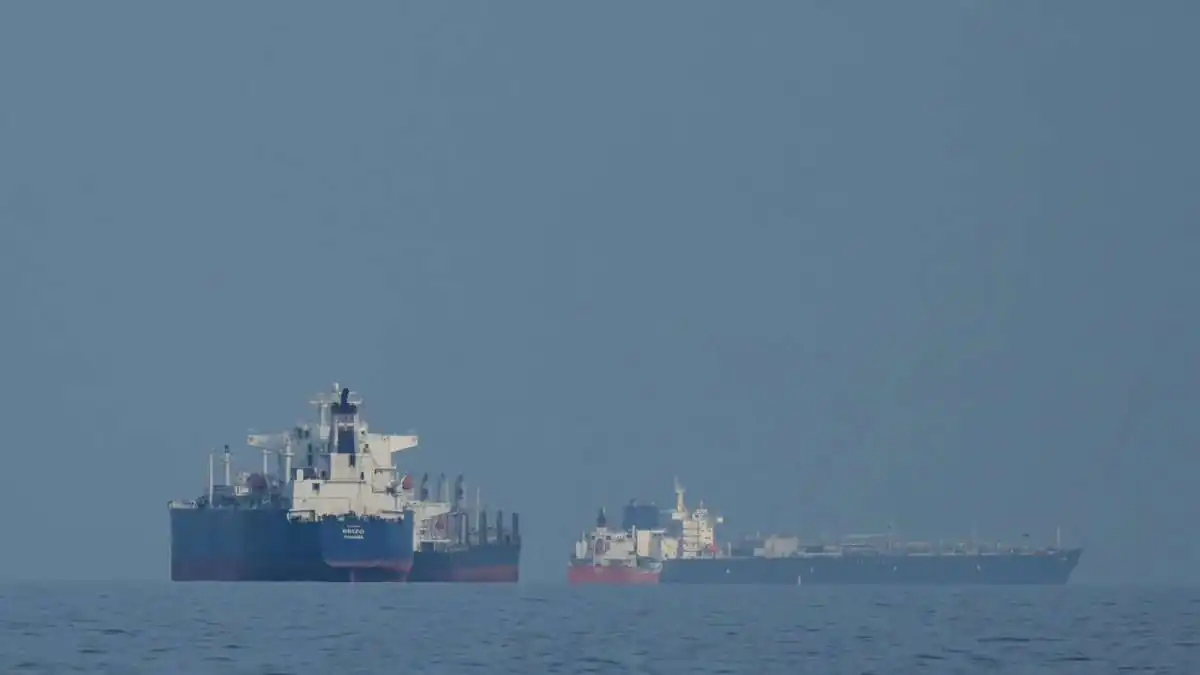

In light of the fear of potential Iranian attacks in the Strait of Hormuz, almost all of the ships that come to India disable their tracking system. The maritime data proves it. As per the maritime intelligence firm Kpler, around 62 percent of tankers and cargo ships that came to India from the Persian Gulf disabled their transponders while navigating through the Strait of Hormuz.
The ships normally use Automatic Identification System (AIS) transponders for transmitting their identity, position, and destination details. But at times when there is some danger in the region, ships switch off the data transmission to keep their identity concealed. This process is known as "going dark."
Ships flying the flags of countries considered hostile to Iran face greater risks in this waterway. Data shows that such vessels are increasingly using the Omani shipping lane. This lane is supported by the US and Oman, but Iran does not recognize it. In contrast, ships using Iran's Traffic Separation Lane generally keep their transponders on, although some do turn them off despite Iranian surveillance.