































































Alarm Bells for Asia’s ‘Water Tower’ as Himalayan Snowfall Drops to 23-Year Low
Due to climate change, the Hindu Kush Himalayas have recorded the lowest snowfall in 23 years. According to an ICIMOD report, the effects of rising global temperatures are clearly visible. Reduced snowfall in this region, known as Asia's "water tower," is affecting the sources of major rivers like the Ganges, Indus, and Brahmaputra.


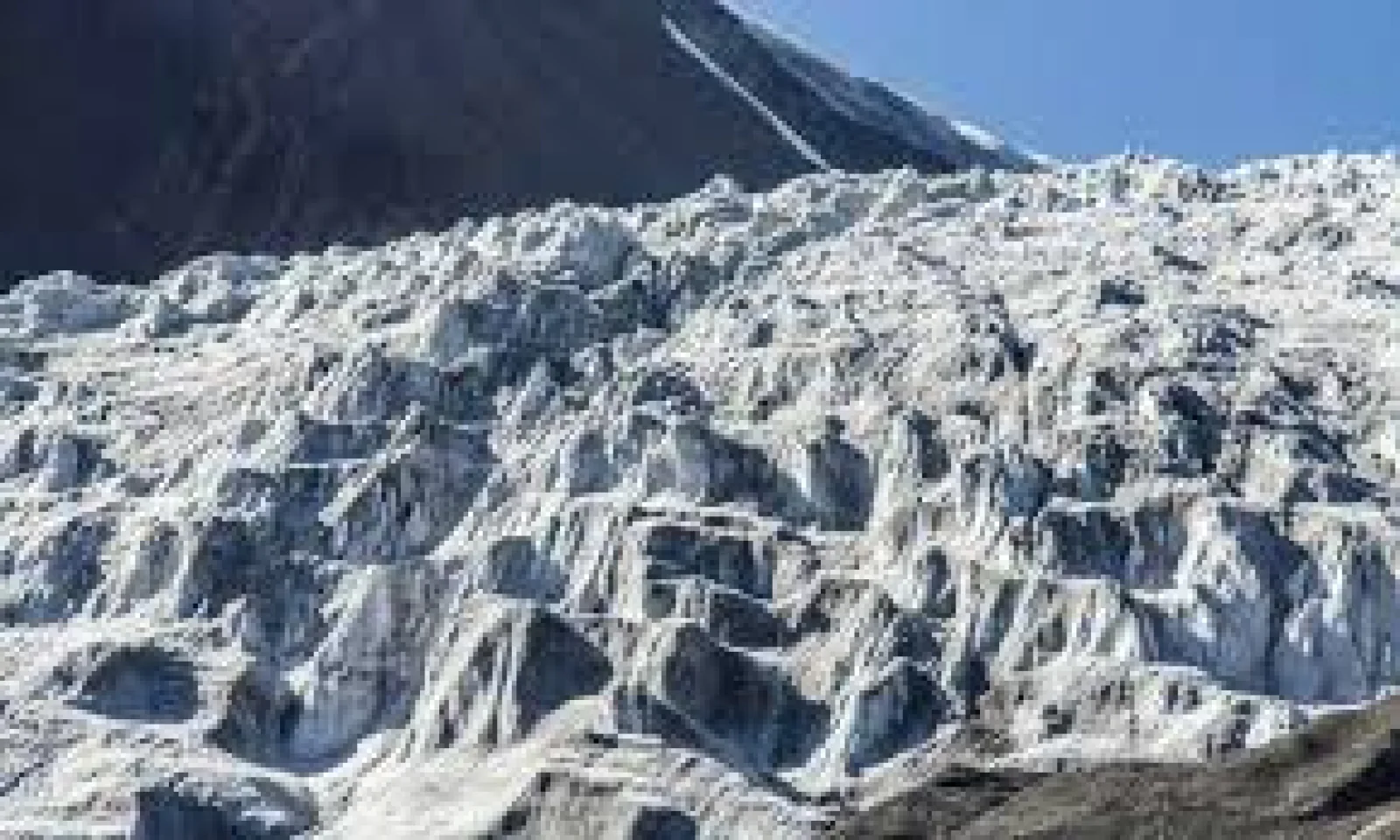

Climate change has become a reality that cannot be ignored by anyone in this world today. The effects of rising temperatures are evident in changing weather conditions. Late winters, melting ice on mountain peaks, and rising sea levels are screaming messages of impending doom. Simultaneously, some shocking findings from the Hindu Kush Himalayas region are out, and they once again reaffirm that climate change is a reality that affects this world today.
International Centre for Integrated Mountain Development (ICIMOD) has shown satellite images of the Hindu Kush Range. As per the news, the current year has seen the lowest snowfall in the past two decades in the Himalayan ranges. According to the report, this year's snow season in the Hindu Kush Himalayas has been the lowest in the last 23 years.
Earlier, the Intergovernmental Panel on Climate Change (IPCC) also issued a warning about rising temperatures in its report. The IPCC claimed that due to the increase in global temperature, the snowfall season may decrease. In mountainous regions with high altitudes, snowfall will be of shorter duration, and the snow-capped mountains of the Himalayan ranges would appear rocky.