Chhath Puja 2026 began with Nahay Khay on Friday, and PM Modi said he bows to all fasting devotees. See the four-day schedule, rituals and satvik meal.
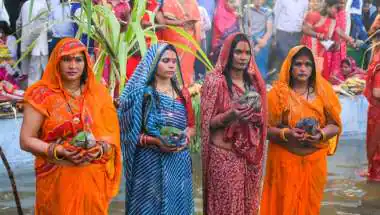
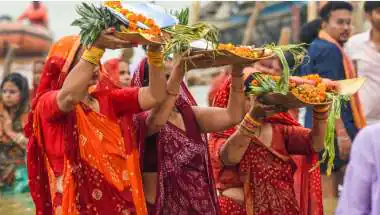
On Friday, devotees across India rose before dawn, cleaned their homes and kitchens, and took a holy bath. Chhath Puja, one of Hinduism's most demanding festivals, began with the ritual of Nahay Khay.
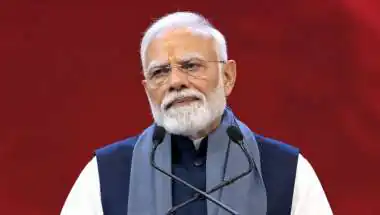
Prime Minister Narendra Modi marked the start of the festival with a message in Hindi on X. "Heartfelt wishes to all fellow citizens on the start of the four-day sacred ritual of Chhath Mahaparv, a festival of popular faith and sun worship. Today is Nahay-Khay. I bow to all those observing the fast. My wish is that everyone receive the blessings of Chhathi Maiya," he wrote.
The phrase "I bow to all those observing the fast" points to what sets Chhath apart. It is less a celebration than a test of discipline. Devotees, particularly women, keep a rigorous fast and follow the prescribed rituals over four days. They pray for the long life, good health and future of their children, and for happiness, peace and prosperity in their families.
Day one: purity before prayer
Nahay Khay translates roughly to "bathe and eat", and it is the foundation for everything that follows. Devotees bathe in rivers or ponds or at home, sometimes adding Ganga water to the bathing water. They then scrub their homes and kitchens before any cooking begins.
The day's meal is satvik and simple: boiled rice, chana dal and kaddu (bottle gourd or pumpkin) curry. The menu matters less than the care taken in preparing it. Cleanliness and purity are treated as essential, because this meal begins the strict observances of the days ahead.
The four-day schedule
Celebrations run from Friday to November 16:
Nahay Khay: ritual bath, house cleaning and the first satvik meal
Kharna: the second day of observance
Sandhya Arghya: offerings to the setting Sun
Usha Arghya: offerings to the rising Sun, which conclude the festival
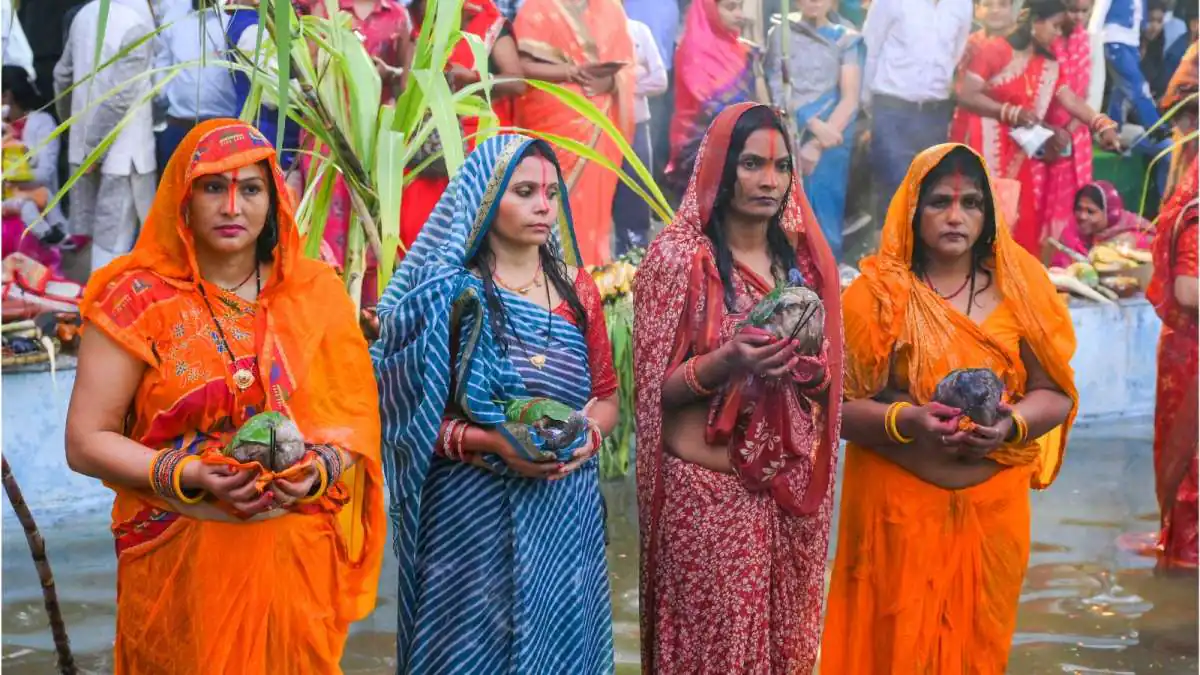
The main worship falls on the sixth day of the bright fortnight of the Hindu month of Kartik. On that day, devotees stand in water to offer prayers first to the setting Sun and then to the rising Sun.
A regional festival that has gone national
Chhath has its roots in Bihar, Jharkhand and eastern Uttar Pradesh, but it is no longer only a regional festival. Migration has taken it to riverbanks, ponds and temporary ghats in cities across the country. A Prime Minister's message on the opening day reflects how widely it is now observed.
The festival also has many names. It is called Surya Shashthi, Chhath, Chhathi, Chhath Parv, Dala Puja and Dala Chhath. It comes after Diwali and Bhai Dooj and closes the festive season with prayer and restraint rather than celebration. For millions of families, it remains a vow for the well-being of their children, long life for family members and prosperity for the household.
Over the next three days, the fasting and the offerings to the Sun will build to the festival's final prayer at sunrise on November 16.
This story is based on a post shared on PM Narendra Modi's official X account.