



















































.jpg)














Chandrayaan-2 Data Suggests Presence of Ice in Lunar South Pole Craters
Scientists involved in India's Chandrayaan-2 mission have discovered strong evidence of subsurface ice in the Moon's south polar region. This discovery is considered crucial for future human missions to the Moon, as the ice could provide a source of water and rocket fuel.


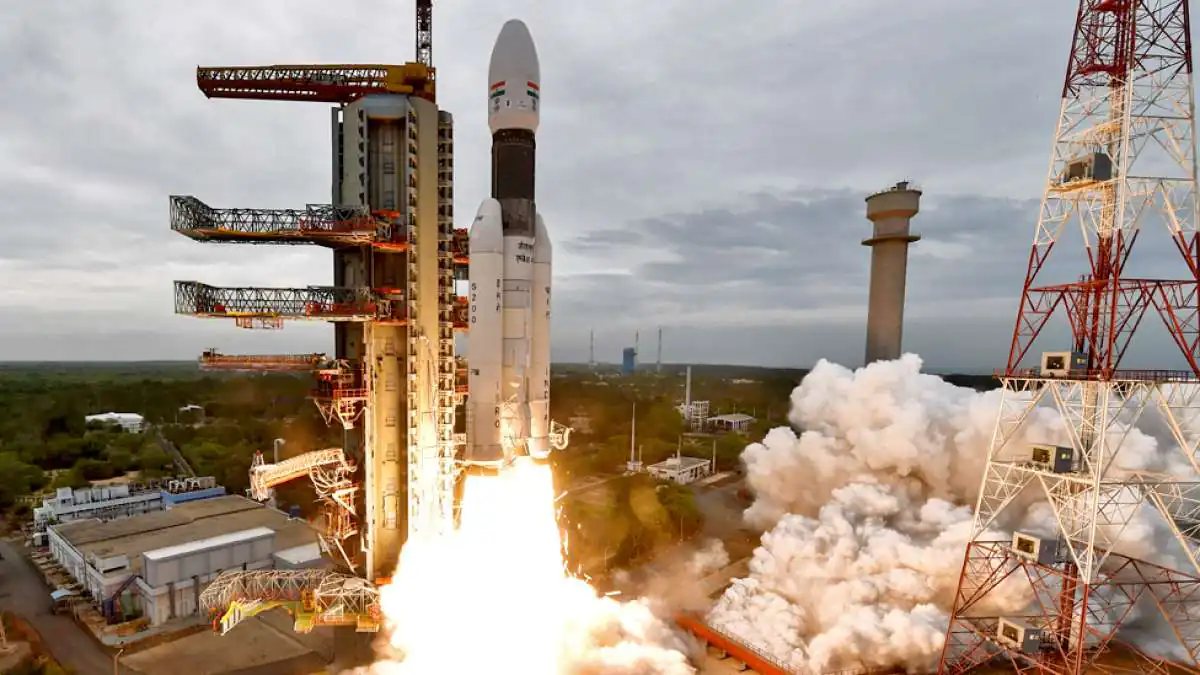

There are strong indications of the presence of ice on the Moon's south pole by the scientists involved in the Chandrayaan-2 lunar mission. It has significant implications for any future human missions to the moon. The findings were reported in npj Space Exploration.
Scientists at the Physical Research Laboratory in Ahmedabad analyzed radar images of the Moon taken by the Chandrayaan-2 orbiter. The orbiter has been orbiting the moon since 2019. Scientists believe the ice is not visible on the surface but rather underneath.
Ice can be present in shadowed craters that do not receive sunlight at all. Some smaller craters are nested within larger ones, making them double-shadowed regions. The temperature here remains around minus 248 degrees Celsius, allowing ice to remain preserved for billions of years.