


















































.jpg)














MIT Scientists Develop Concrete That Stores Electricity Like a Power Bank
Cement Battery: Scientists at MIT in the US have developed a special concrete that not only strengthens buildings but also enables them to store electricity. This new technology could transform homes, roads, and bridges into giant batteries in the future.


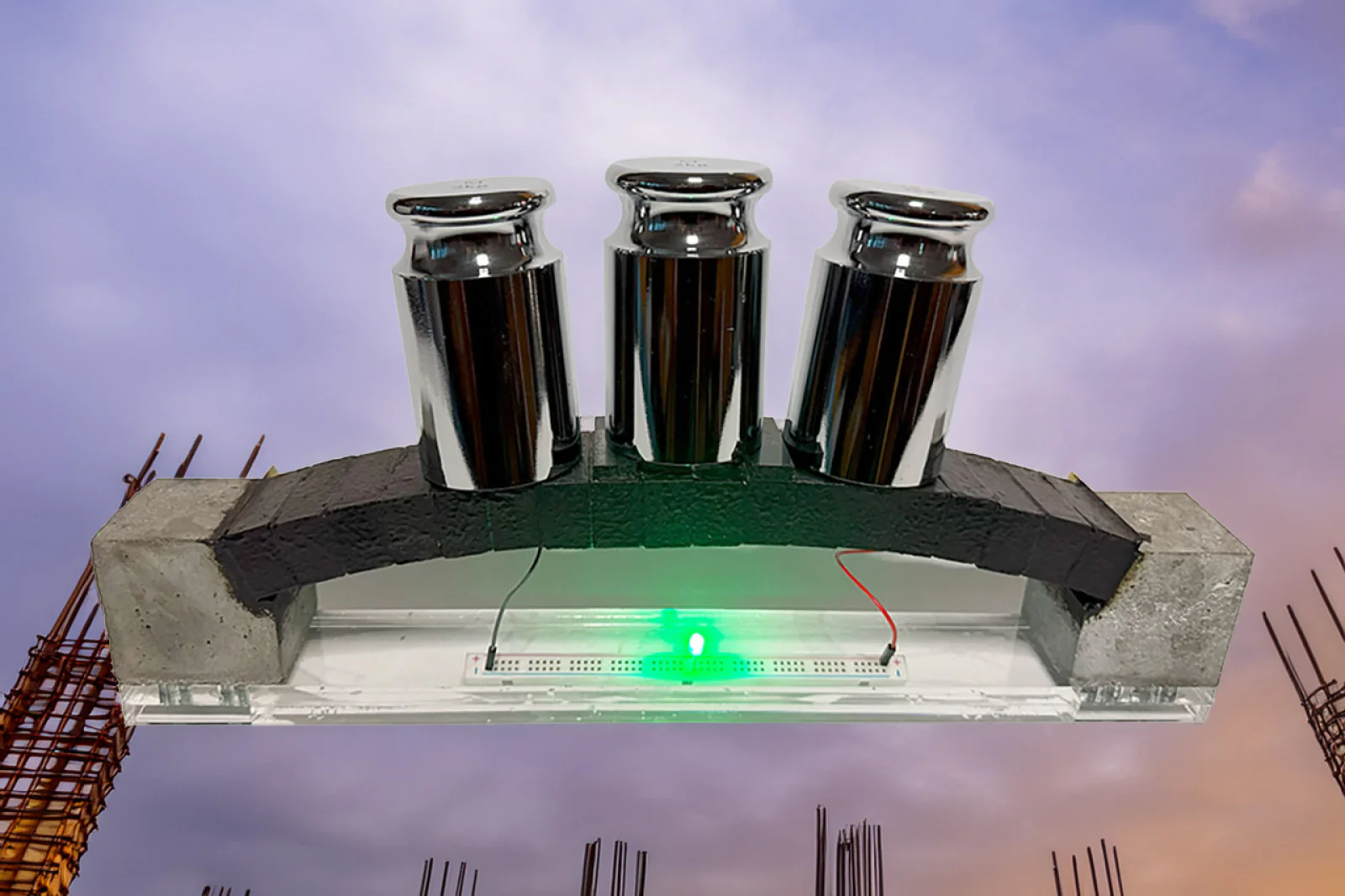

Until now, concrete was limited to the construction of buildings, roads, and bridges, but scientists have given it a new form for storing energy. Scientists from the Massachusetts Institute of Technology, known as MIT, have developed a special kind of electron-conducting concrete that can store energy like a power bank. This concrete can, in the future, be used for converting walls, sidewalks, and even bridges into giant batteries for the storage of electricity.
Such concrete is made up of cement, water, ultra-fine carbon black, and electrolytes, and it is referred to as ec3 concrete. A network is created on the nano-scale within the concrete, and this network can conduct electricity. The concrete can store energy and release it when it is required.
Within their study, they found that ec3 can be used with different electrolytes, such as seawater, making it an extremely useful technology for projects such as marine environments and wind farms.