





































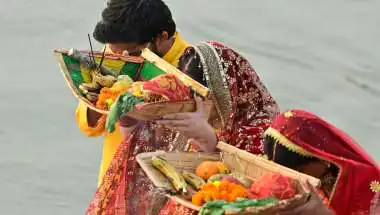
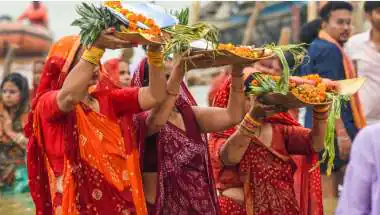





On most full-moon mornings the ghats of Varanasi and Prayagraj are busy. On Tuesday they were packed. Devotees from across the country reached the banks of the Ganga and the Yamuna before sunrise to bathe on Kartik Purnima. The crowds were bigger than usual because four observances fell on the same day.
Many pilgrims see the festival as the end of a sequence, not a single day. Pawan travelled from Patna to Kashi for the dip and explained why the timing matters to him.
"Today is Kartik Purnima, and it is also associated with Dev Uthani Ekadashi. After Dev Uthani Ekadashi, all the gods and goddesses are believed to awaken from their four-month-long sleep. This is the first full moon bathing occasion after that, which makes it particularly significant. Taking a holy dip in Kashi is believed to bring the blessings of all gods and goddesses," he told IANS.
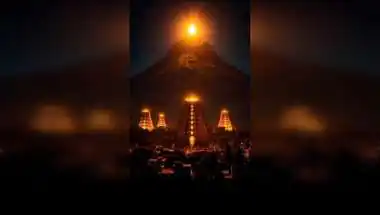
Pilgrims bathed, prayed and lit lamps all along the Varanasi riverfront. Dharmeshwar Jha, a resident of Kashi, said the day stands out because a year has 12 full moon days and 24 Ekadashis, and Kartik Purnima holds special religious significance among them. He said Dev Deepawali is also celebrated on this day, when devotees light lamps at ghats across the city. According to him, bathing on Kartik Purnima is believed to bring spiritual merit equal to the religious observances of an entire year.
At Prayagraj, the focus was the Yamuna, where devotees gathered at several ghats. Seema Chaudhary, who came for the ritual, said the whole month of Kartik is considered auspicious for holy bathing and that the full moon marks its end. She added that the day is also linked to the concluding rituals for Tulsi Mata.
"Those who could not take a holy dip during the entire month of Kartik can also earn religious merit by bathing on Kartik Purnima. People are enthusiastic about following the traditions and rituals associated with this auspicious occasion," she said.
Why it still draws the crowds
The day's appeal rests on the belief that it rewards both devotees who kept the ritual all month and those who could not. This is especially true for working families. Anju Jaiswal said bathing in the Yamuna during Kartik is believed to wash away sins and hardships and bring happiness and prosperity to families. She added that a dip during the last five days of Kartik is believed to give the benefits of observing the ritual for the whole month.
For Poonam Mishra, the day was the last step of a routine she had followed all month. She bathed at home, worshipped the Tulsi plant, performed circumambulation and then went to the riverbank for another dip to complete her rituals. She said such dips and prayers had continued throughout the month because Kartik holds special significance in Hindu tradition.
The scenes at Kashi and Prayagraj showed that, even in a fast-changing India, a full moon on the riverbank can still bring the country's faithful together in large numbers.
With inputs from IANS