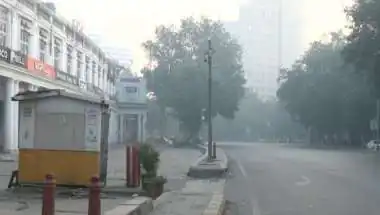
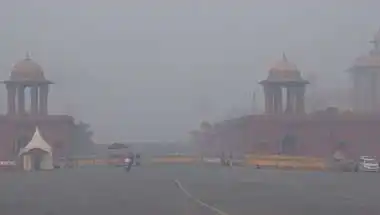
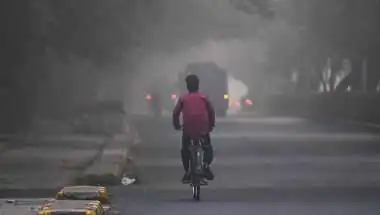
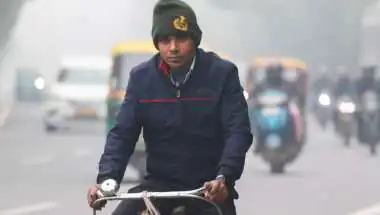
On the same Friday that pollution once again took over conversations across the National Capital Region, the Delhi government added 100 electric buses to its roads. For the first time, it also connected the capital to Hapur in Uttar Pradesh through a zero-emission interstate route.
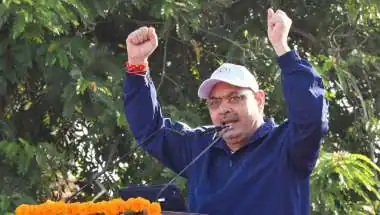
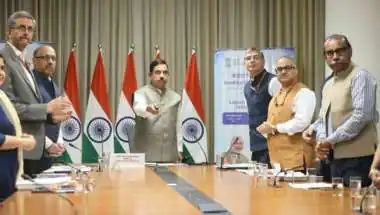
Chief Minister Rekha Gupta flagged off the fleet on November 20 and inaugurated the Delhi-Hapur interstate electric bus service. She said the move would improve public transport, make travel safer for passengers and help the city's environment.
"At a time when pollution is being discussed everywhere, the Delhi government has been consistently increasing the number of electric buses in the city's public transport system over the past 18 months, fulfilling its responsibility towards the people. Today, we have added 100 more buses to Delhi's transport network," Gupta told reporters.
More Than a Fleet Number
The new route matters as much as the 100 buses. Hapur sits on the busy NH-9 corridor east of Delhi. Daily commuters, traders and students on this stretch have relied mostly on diesel buses, shared vehicles or their own cars. A clean, government-run option between Delhi and a satellite town targets the kind of vehicle traffic that adds to the capital's winter smog.
Hapur is part of a steady pattern. This year Delhi has added interstate e-bus links one corridor at a time. In February, the government revived the Delhi-Panipat bus service, which Transport Minister Pankaj Kumar Singh said marked the return of inter-state bus operations after an 18-year gap. A Delhi-Karnal interstate e-bus service followed in August. Other routes have opened towards Ghaziabad, Rohtak and Rewari.
The Policy Behind the Buses
Gupta linked the launch to Delhi's wider plan to move people towards electric vehicles. "We encourage people to switch to electric vehicles by offering subsidies and incentives for scrapping old vehicles. Delhi has introduced a major EV policy with an outlay of Rs 15,000 crore, the largest such policy in the country. We are also ensuring that the government machinery fully implements this policy," she said.
Singh said earlier in the day that the government would keep growing the fleet and would now focus on last-mile connectivity. Commuters have long named this gap as the reason they stay in private vehicles. "We are also working to extend electric bus services to last-mile connectivity," he told IANS.
He also criticised the previous government. "The previous government had stopped connectivity, whether through electric vehicles or buses for women. The condition of transportation was worse," Singh alleged. He added that the clean bus services to Hapur, Karnal and Panipat were "receiving a good response."
What Commuters Will Watch
For daily passengers, the real test will be frequency, fares and how well these routes connect with the Metro and feeder networks. Electric buses offer quieter rides and cleaner air at street level. They will only cut private-vehicle use if they are dependable enough to plan a day around.
Singh's stated aim is simple: "We want more buses to operate, and we want a large number of non-polluting buses on the roads."
With inputs from IANS