










































.jpg)








India-China Border Trade Resumes After Decades; Rare Minerals, Fertilizers at Core of $5-6 Billion Deal
India-China Trade: The long-stalled border trade between India and China is going to start again. ADB and World Bank estimate that both countries will benefit by 5-6 billion dollars every year. Shipki La, Sanathula and Bomdila passes will be opened. India will supply fertilizers to China, while China will supply rare metals to India. This will strengthen India's manufacturing capacity.


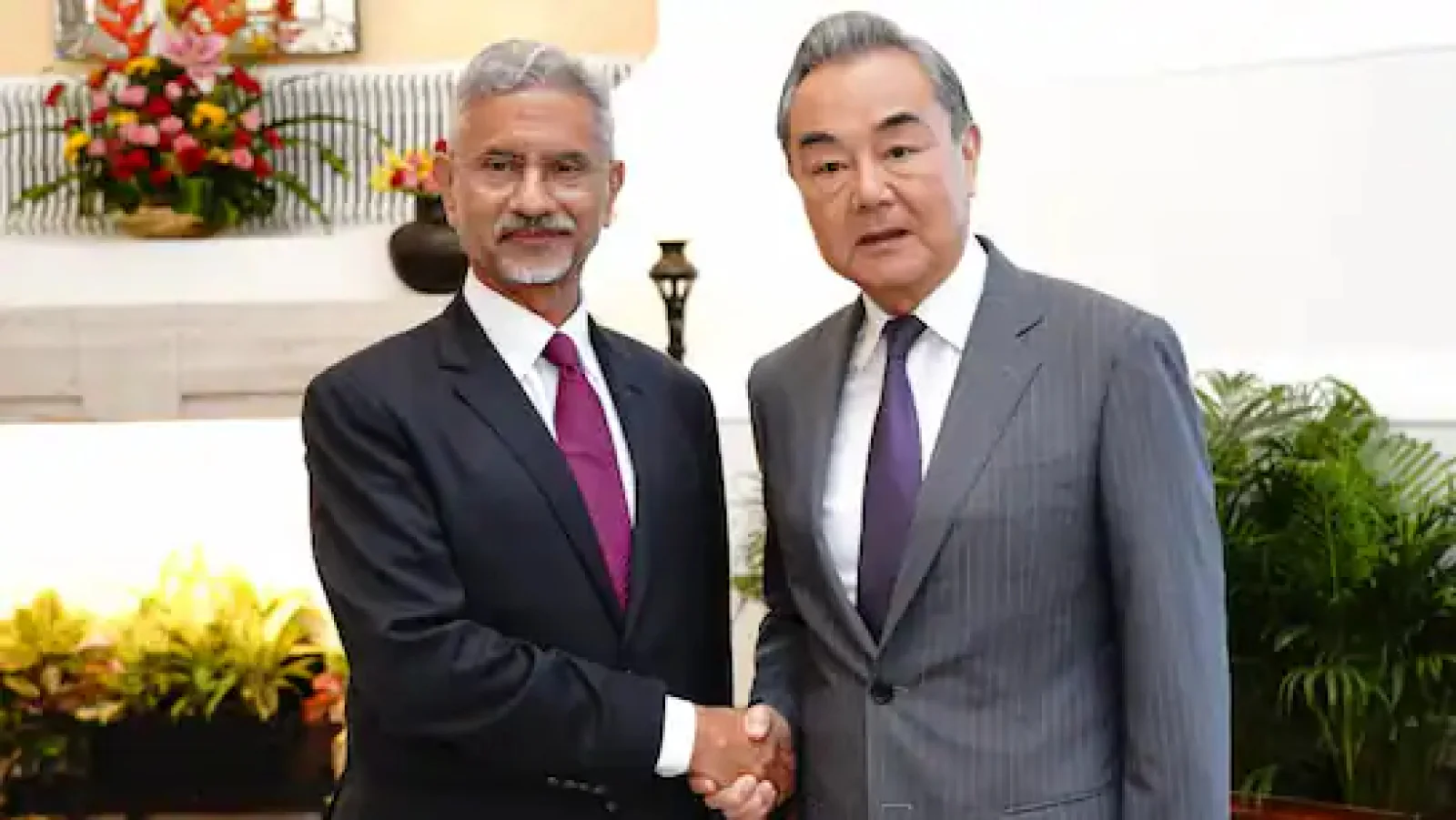

The long-stalled border trade between India and China is going to start again. Asian Development Bank (ADB) and World Bank estimate that in the first phase, both nations will gain by 5-6 billion dollars annually by re-establishing trade. In the new deal, not only will conventional trade via the Himalayan passes be sped up, but also each country's needs for scarce minerals and fertilizer supplies will be fulfilled. Experts opine that this move will give a massive relief umbrella to India in the face of tariff pressures, particularly the protectionist measures of America.
India-China border trade is centuries old, which went on for millennia through the Silk Route and Himalayan passes. Nathu La Pass (Sikkim) was closed post-1962 war, but it was reopened in 2006. Clothing, electronics, and consumer goods trade happen from here. Lipulekh Pass is in Uttarakhand. It has also contributed to India-China border trade. Shipki La Pass in Himachal Pradesh has historically been known for the exchange of wool, salt, spice,s and local products.
Under the agreement, Shipki La Pass, Sanathula Pass and Bomdila route of Arunachal Pradesh will be opened on priority. A senior official of the Indian Foreign Ministry said, China has assured the supply of rare metals, which are most needed by the Indian electronics, defense and energy sectors. India will supply phosphate and potash-based fertilizers to China in return. Arun Chaturvedi, chief economist of the Confederation of Indian Industry, said the deal will strengthen India's manufacturing capacity and contribute to China's food security strategy.