








































Demand to Recognise AYUSH Doctors Under Drug Advertising Law Reaches SC

A petition filed in the Supreme Court seeks revision of the Drugs and Magic Remedies Act, 1954, arguing it is outdated. The plea calls for an expert panel to update the law, recognise AYUSH doctors, and allow evidence-based, non-misleading medical information to reach the public.

Sun, 28 Dec 2025 12:06 AM (IST)
Demand to Recognise AYUSH Doctors Under Drug Advertising Law Reaches SC

There has been an important petition pending in the Supreme Court on the issue of the legislation governing advertising of drugs and medical products. The fact is that the legislation dating from 1954 has to be made more in line with the trends in science over the intervening period. This has reignited a debate on advertising drugs, the dissemination of information to the public, and the involvement of doctors in the AYUSH system.

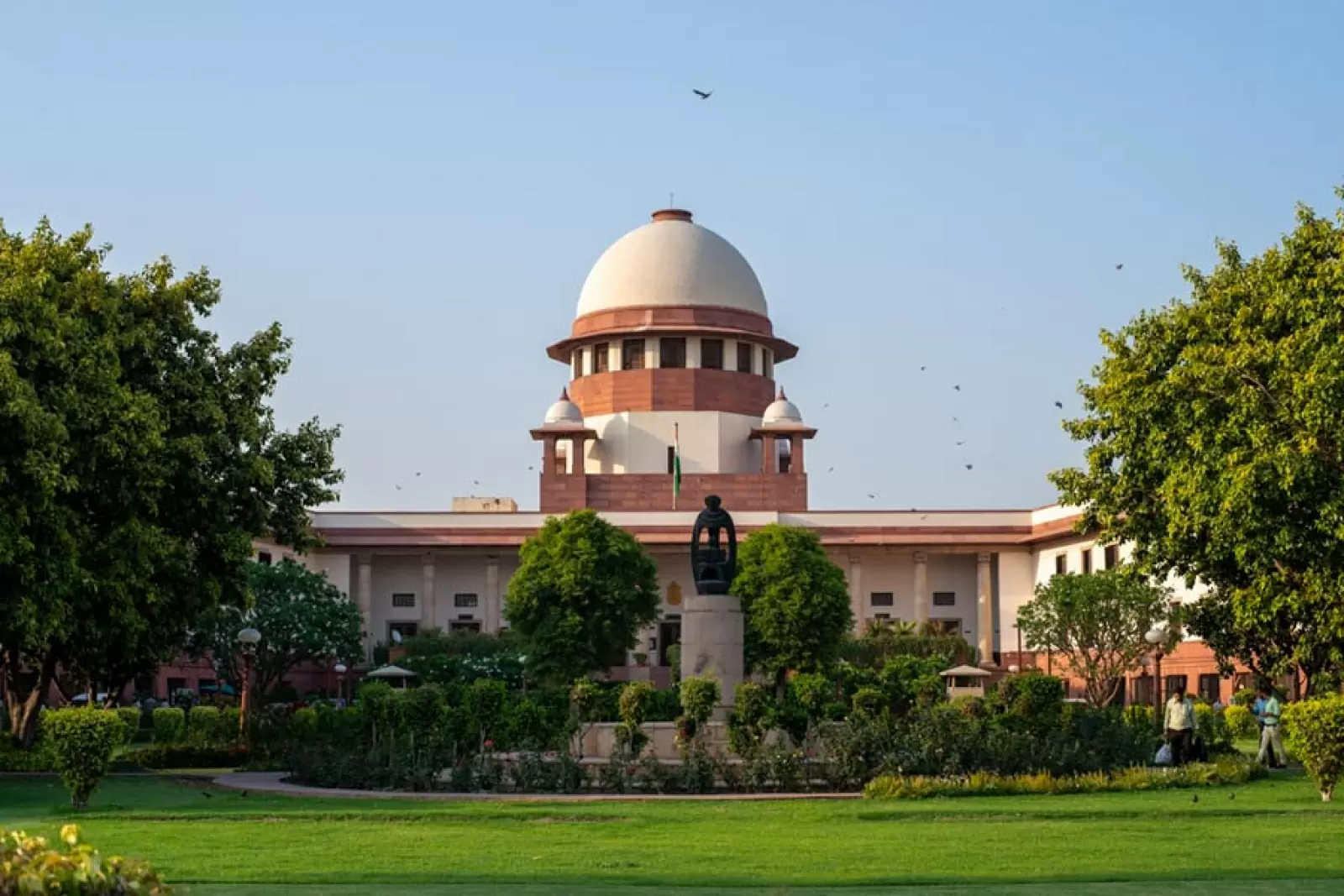
The case has been filed in the Supreme Court. The petitioner, Nitin Upadhyay, has requested that an expert committee be constituted by the Central Government to assess the time schedule of the Drugs and Magic Remedies (Objectionable Advertisements) Act, 1954. The case states that the Drugs and Magic Remedies (Objectionable Advertisements) Act, 1954, was made at a time when the state of medical science was not as modern as it is today.

The petition also demands that AYUSH doctors be considered 'registered medical practitioners' under Section 2(cc) of the Act, which defines a registered doctor. The petitioner argues that excluding legitimate doctors associated with AYUSH and other non-allopathic systems from this definition is unfair.


Advertisement

Want to get your story featured as above? click here!

Advertisement

Want to get your story featured as above? click here!

This 1954 law completely prohibits the advertising of medicines for the treatment of certain diseases and conditions. Specifically, Section 3(D) prohibits any advertising related to the treatment of certain diseases. The petition states that this provision makes no distinction between misleading and truthful information.

The petition states that the law was intended to protect people from false and misleading advertisements, but over time, it has evolved into a blanket ban. As a result, doctors associated with systems like AYUSH are unable to disseminate information about medicines available for the treatment of serious diseases to the public. This perpetuates a lack of information among the public.

The petition also argues that in today's world, people have the right to access accurate information regarding the diagnosis, prevention, and treatment of their illnesses. If an advertisement is truthful, based on scientific evidence, and non-misleading, it is unfair to completely block it. According to the petition, the public's right to information is being affected by an outdated law.

The petitioner has requested the Supreme Court to direct the Central Government to form an expert committee to review and update the schedule of the law based on current scientific advances and evidence-based medical knowledge. The petition argues that this will prevent misleading advertisements and ensure accurate information reaches the public.

Muskan Kumawat Muskan Kumawat is a Journalist & Content Writer at Sangri Times English, covering a wide range of topics, including news, entertainment, and trending stories. With a strong passion for storytelling and in-depth reporting, she delivers engaging and informative content to readers.