
















































.jpg)
.jpg)









IMD Warns of Colder-Than-Normal Winter; North and Central India May Break Temperature Records
IMD Alert: The IMD has issued a cold alert. The Meteorological Department has stated that this year will be colder than in previous years. Read the full report...


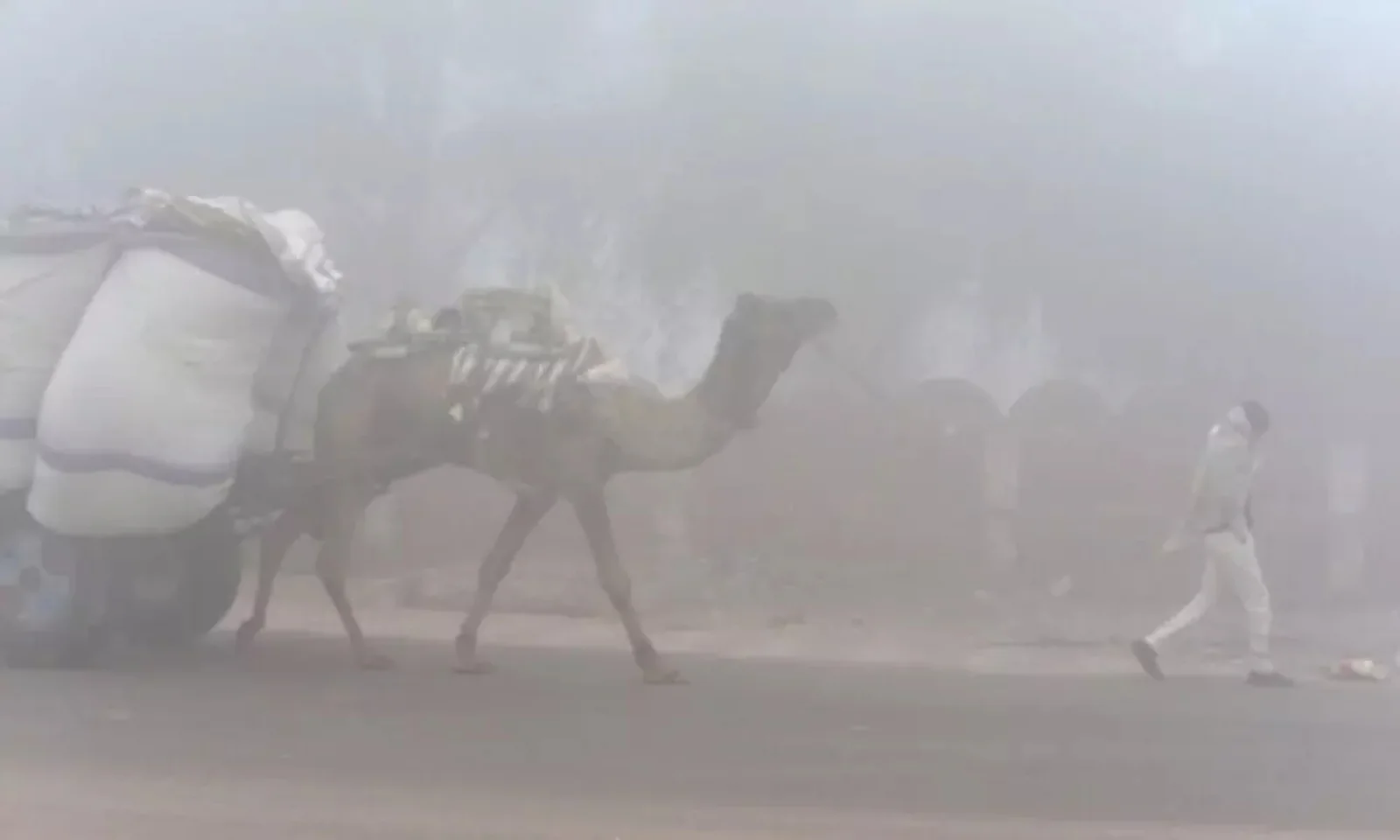

The cold wave is likely to be more severe this year. The Indian Meteorological Department (IMD) stated that, compared to last year, North India and Central India are expected to experience a colder-than-normal winter. The IMD stated that temperatures in Haryana, Rajasthan, Delhi, and Gujarat could break previous records.
The Indian Meteorological Department has issued a yellow alert for the next few days. The department states that cold wave conditions are expected to persist in the NCR region, including Delhi, for the next few days. Last Monday, the temperature in Delhi was 5.7 degrees Celsius, which is 4.6 degrees Celsius below normal.
The Meteorological Department stated that these states are expected to experience a higher number of cold wave days from December 2025 to February 2026, which is higher than the normal average. Generally, northwest India is expected to experience 5-6 cold wave days during these three months. A cold wave is declared when the minimum temperature falls below 15 degrees Celsius on approximately 90% of daily temperatures. The department declares a cold wave when this condition persists for three consecutive days.