






%20(1).jpg)




































%20(3).jpg)


EU Carbon Tax Could Push Small Indian Metal Exporters Out of European Market
EU carbon tax comes into effect today: The European Union's Carbon Border Adjustment Mechanism has come into effect from January 1, 2026. This will increase pressure on Indian steel and aluminum exporters to reduce prices.


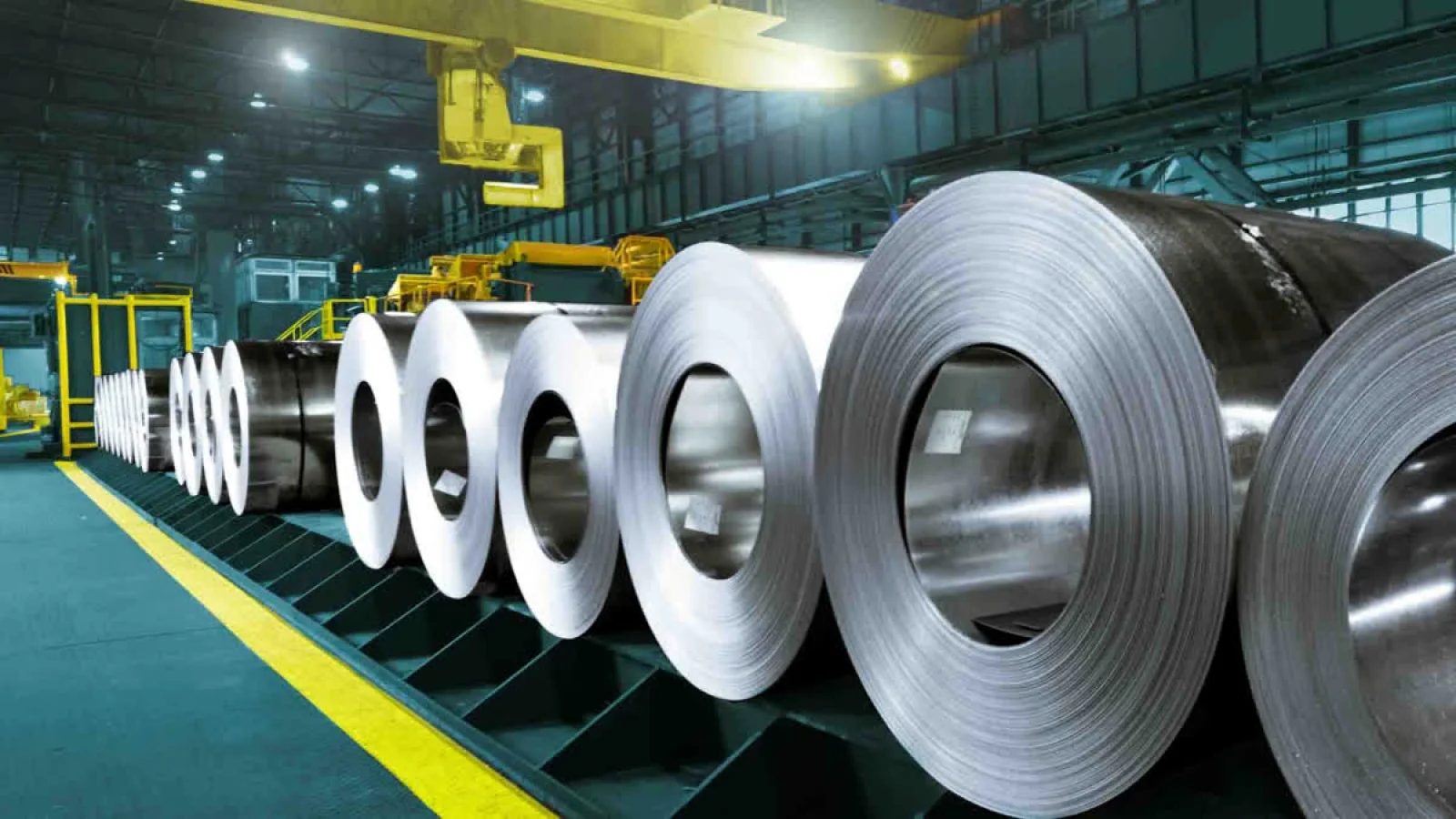

The carbon tax imposed by the European Union on metals (CBAM) would now start affecting the whole world from January 1st, 2026. This would be the most significant setback for the Indian exporters of aluminum and steel. The Global Trade Research Initiative (GTRI), which is the world's biggest economic research center, announced on Wednesday that the new system imposed by the European Union might make the majority of the Indian exporters decrease their prices by as much as 15-22 percent so that the EU can contribute the same amount to the carbon border adjustment mechanism with their profit margin.
However, Indian exporters will not be directly liable to the carbon tax, as the importers based in the EU will have to purchase the CBAM certificates regarding the amount of emissions present in the products that will be imported. Ultimately, the burden will be borne by Indian exporters.
The EU, a 27-nation bloc, is imposing a carbon tax on goods that generate carbon emissions during their production. In the steel sector, emissions are highest in the blast furnace-basic oxygen furnace route, while gas-based direct reduced iron (DRI) has the highest emissions, and scrap-based electric arc furnaces have the lowest emissions. Similarly, in aluminum, the source of electricity and energy consumption play a significant role. Coal-based electricity increases the carbon burden, leading to higher CBAM costs. Agency