






















































EC Calls Special Intensive Revision ‘Fair and Reasonable,’ Seeks Dismissal of Petitions
The Election Commission has defended the Special Intensive Revision (SIR) of voter lists in the Supreme Court. The Commission urged the Supreme Court to dismiss with fines the petitions challenging the SIR in Bihar. The Commission argued that none of the 6.6 million deleted names had approached the court. The process is fair and just, and cannot be subjected to baseless scrutiny.


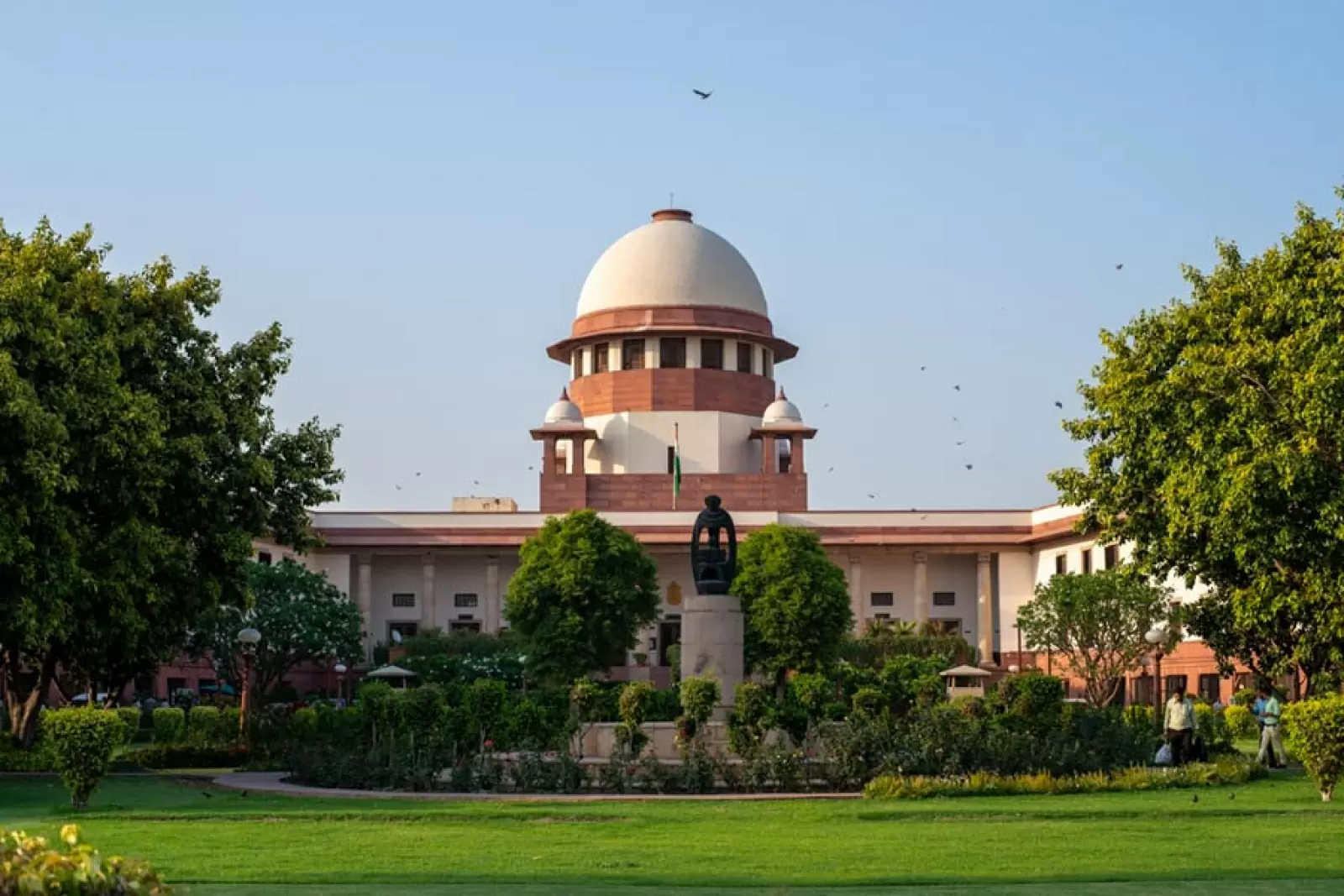

The Election Commission today defended the Special Intensive Revision (SIR) in front of the Supreme Court, saying that it was "fair, just, and reasonable." The EC also urged that the petitions filed against SIR in Bihar be dismissed with fines.
The Commission argued that the SIR cannot be subjected to a baseless and indefinite scrutiny at the behest of NGOs like the Association for Democratic Reforms (ADR) and the People's Union for Civil Liberties (PUCL), and some MPs. Election Commission lawyer Rakesh Dwivedi said, "None of the 6.6 million people whose names were removed in the Bihar SIR have approached this court or the High Court, nor have they filed a petition with the Election Commission."
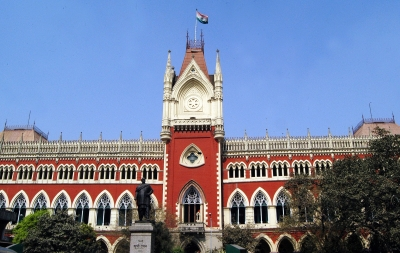
These arguments were made by Rakesh Dwivedi during the final hearing of the petitions challenging the Commission's decision to carry out SIRs in different states, including the state of Bihar. Rakesh Dwivedi, defending the SIR, appeared before a Bench headed by Chief Justice Surya Kant and Justice Joymalya Bagchi, arguing: "The manner and procedure of conducting the special reviews are entirely left to the discretion of the Commission when it invokes its powers under Section 21(3) of the Representation of the People Act, 1950, in the discharge of the duties vested in it under Article 324(2) of the Constitution."