










































.jpg)
.jpg)










PM Modi Pitches 10-Point BRICS Reform Roadmap
PM Modi proposes a 10-point BRICS roadmap for global governance reform, calling for UNSC reform and a bigger Global South voice in decision-making.



Key Highlights:
- PM Modi proposed jointly formulating 10 global governance reform proposals into a BRICS roadmap by the next summit.
- He described current global governance as a "pyramid" that excludes the Global South from decision-making despite bearing the brunt of global crises.
- Modi called UN Security Council reform "no longer postponable" and demanded voting power in financial institutions reflect current economic realities.
- He proposed a 'Seafarers Emergency Support Network' to improve responsiveness in collective global action.
- He highlighted AI, cyberspace, outer space and biotechnology as frontier areas where equal rule-making participation is critical.
A Call for Structural Reform at BRICS
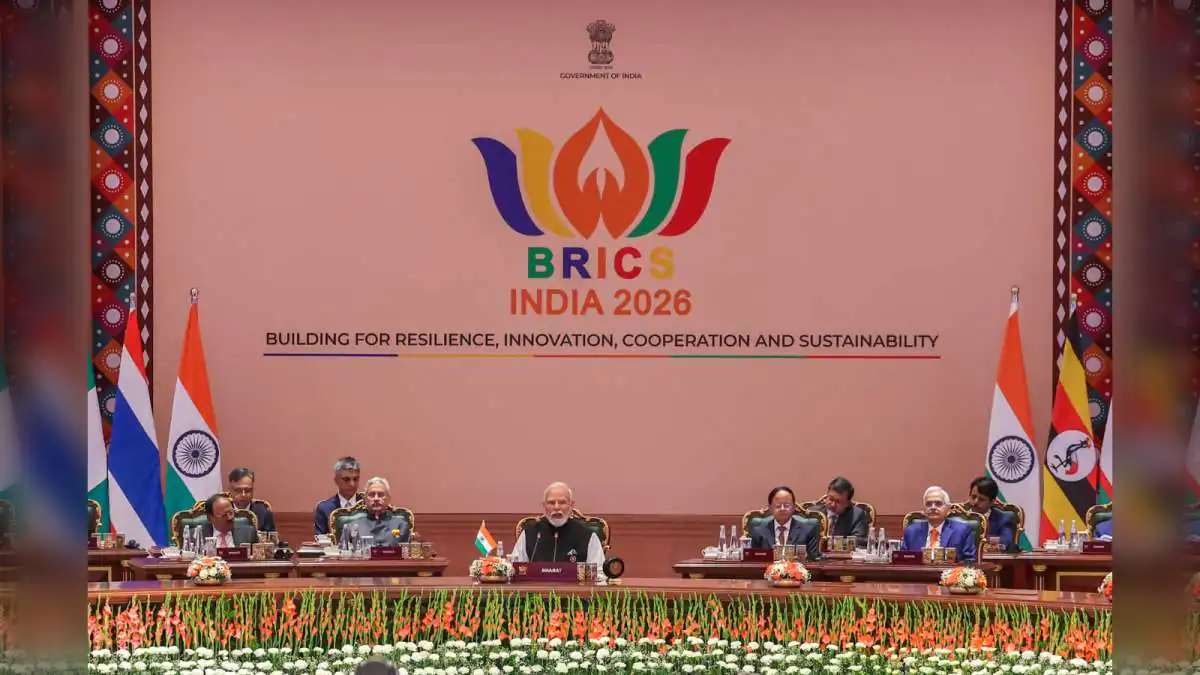
Prime Minister Narendra Modi used his address at the BRICS session on "Inclusive Global Governance and Strengthening Multilateralism" on Saturday to make a pointed case for restructuring global decision-making, proposing that BRICS jointly develop 10 global governance reform proposals into a formal roadmap by the time of the next summit.
Modi's Pyramid Metaphor
Describing the current architecture of global governance, PM Modi offered a striking image of concentrated power. "While strengthening BRICS, we must also chart a course for global reform. The current structure of global governance resembles a pyramid: power and decision-making are concentrated at the top, while the lower tiers consist of nations that are affected by these decisions yet unable to shape them," he said. He specifically flagged the Global South's position within this structure as particularly imbalanced, noting that these nations often find themselves at the frontlines of global crises while remaining excluded from the rooms where decisions affecting them are made.
Why This Framing Matters
Modi's pyramid metaphor is a deliberate rhetorical choice that reframes global governance reform not as a technical adjustment to existing institutions, but as a fundamental question of fairness between nations that bear the consequences of global decisions and those who make them. By calling for the "pyramid of privilege" to be transformed into a "platform of partnership," Modi positioned India's BRICS chairship as an opportunity to advance a longstanding grievance of developing nations, that global institutions built in a different geopolitical era no longer reflect today's economic and demographic realities.