


















.jpg)


.jpg)


















.jpg)


1,000 MW of grid-connected battery storage capacity is now being set up; Electric vehicles becoming more popular in India
In a seminar organized by India Energy Storage Alliance (IESA), Mittal said that the government has already implemented a policy to encourage domestic manufacturing of batteries required for electric vehicles. Battery manufacturing is not only happening at the government level in India but according to the figures that are coming out, there are many labs and start-ups as well.


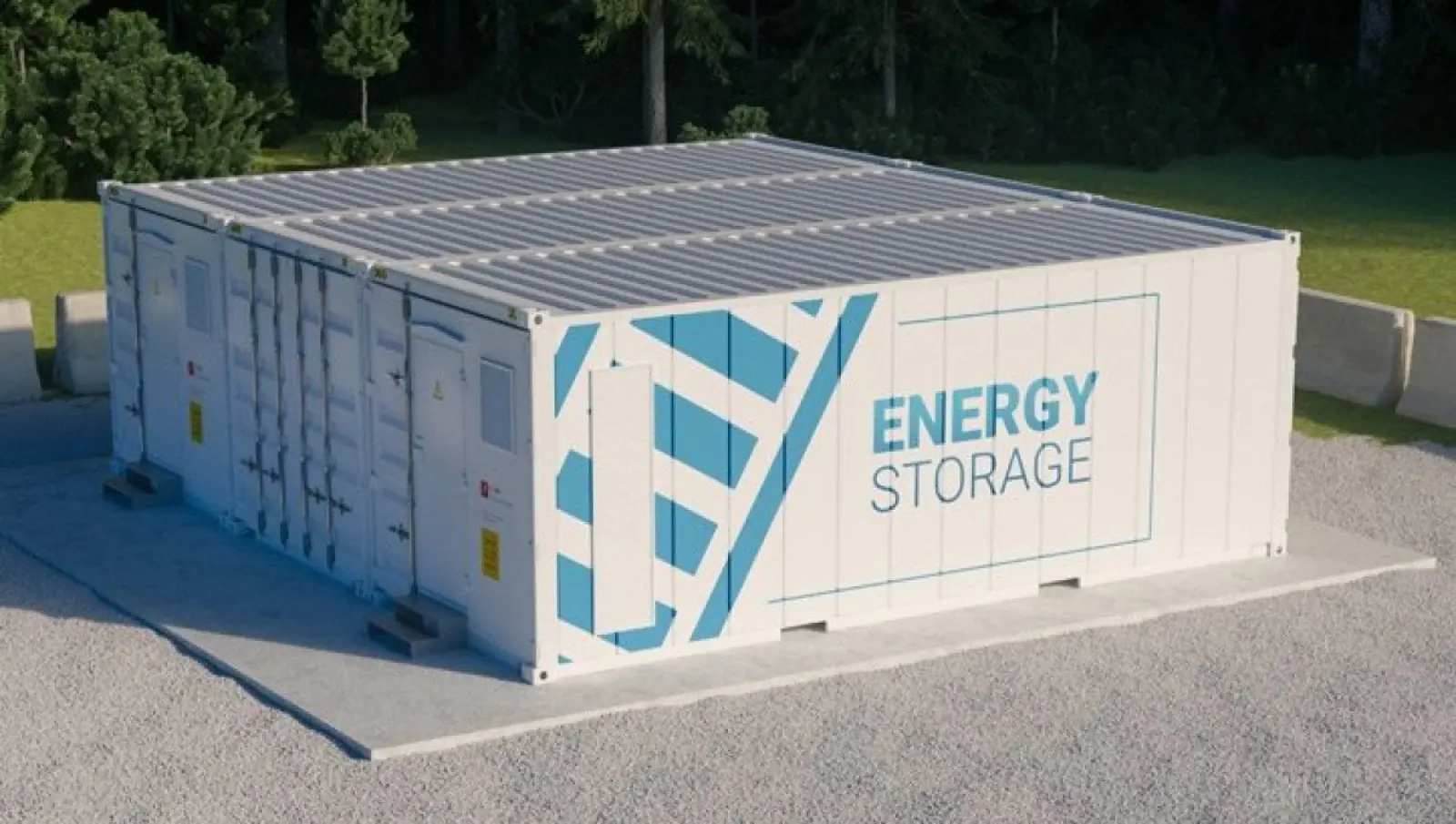

The first phase of setting up Stationary Energy Storage (SES) capacity is soon going to begin by the central government. Under this, proposals will soon be invited to set up 10,000 MW SES in the country in the first phase. These are going to be very modern battery storage plants, and the grid of India has been joined to it, so according to the requirement, power is supplied from these batteries.
The Joint Secretary in the Ministry of Heavy Industries, Vijay Mittal said that it was working on a comprehensive plan with the Ministry of Renewable Energy and NITI Aayog to establish energy storage capacity. Mittal told this in a seminar organized by India Energy Storage Alliance or IESA and added that the government has already put in place a policy to incentivize domestic manufacturing of batteries needed for electric vehicles.
To achieve the net zero (zero pollution) target by 2070, domestic battery manufacturing must be accelerated. Given the rapid adoption of electric vehicles in India, 6-9 lakh megawatts of energy capacity from lithium batteries will be required by 2032. With the assistance of the government, work has begun on the construction of battery plants with an energy capacity of approximately 40 thousand MW. In fact, battery manufacturing work in India is not only done at the government level but according to recent data, many labs and start-ups are also conducting outstanding research in this field.