









































Why Agriculture Remains India’s Most Sensitive Sector in Global Trade Talks

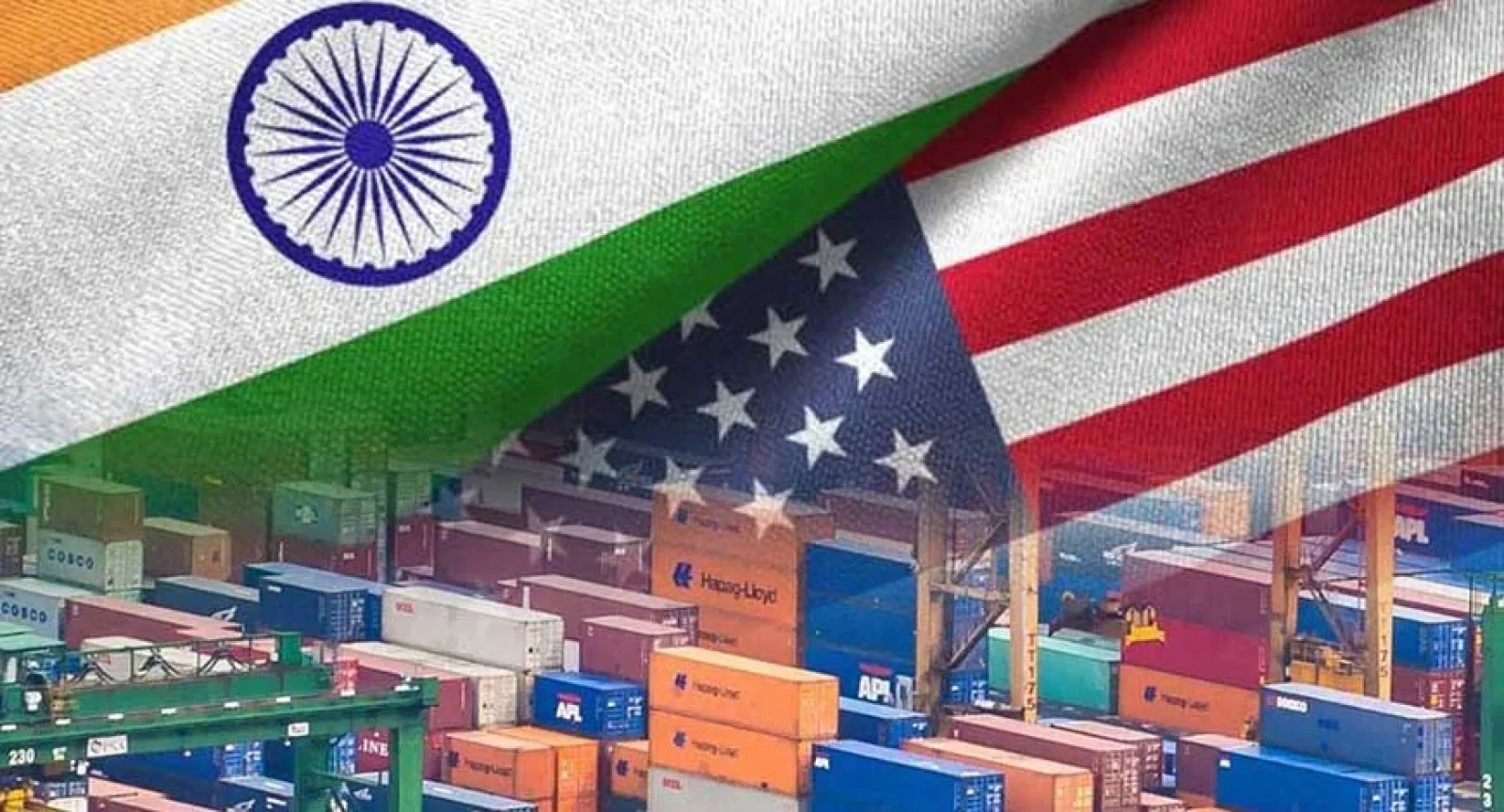
In India, agriculture is not just a source of employment, but a part of rural life, providing livelihoods to over 700 million people. Large companies from developed countries can impact farmers' incomes by supplying cheap grains to the Indian market. The US, Australia, and Europe consider India a key market for agricultural exports.

Thu, 05 Feb 2026 11:02 AM (IST)
Why Agriculture Remains India’s Most Sensitive Sector in Global Trade Talks

In the case of India, agriculture is not just an economic activity, it is a way of life and a highly sensitive sector for the Indian economy. Agricultural and animal husbandry activities are the backbone of the Indian economy in the rural sector, employing over 700 million people. While agriculture in developed economies is highly mechanized and corporate in nature, in the case of India, it is a matter of survival.

More than 90% of the world food trade is dominated by only five multinational corporations, which have traditionally employed competitive pricing strategies in the market. If India allows duty exemptions on agricultural imports to multinational corporations of developed countries, which heavily subsidize their farmers, then India may be flooded with cheap food items. This would affect the income of Indian farmers adversely.

India is largely self-sufficient in grain production, while agriculture is a major commercial industry for countries like the United States, Australia, and the European Union. Large-scale mechanized farming and heavy government subsidies make the United States and other developed countries consider India an attractive market for their export expansion. According to a report, US agricultural exports were expected to reach $176 billion in 2024, representing approximately 10% of India's total commodity exports.

Advertisement

Want to get your story featured as above? click here!

Advertisement

Want to get your story featured as above? click here!

More than 50% of the country's population depends on agriculture. Therefore, India considers the entire agricultural sector to be sensitive. Import duties, especially on staple crops, milk, and key agricultural products, are crucial for rural livelihoods.

India's agricultural sector is currently protected by medium to high tariffs or import duties and regulations to protect domestic farmers from unfair competition. Opening up a sector involves reducing import restrictions and tariffs. India imposes tariffs ranging from zero to 150% to protect the agricultural sector. The United States also imposes high tariffs on some agricultural products, such as 350% on tobacco. Experts say the US also imposes complex non-ad valorem (NAV) duties, which make imports more expensive. This fact is often overlooked in trade discussions.

India is the world's second-largest agricultural producer by value, but its share of global agricultural exports is only 2.2 percent, up from 1.1 percent in 2000. India's total agricultural exports are projected to increase to over $51 billion in fiscal year 2024-25, up from $45.7 billion in 2023-24. Of this, nearly $5 billion will be exported to the US.

India's total exports in 2024-25 were $437 billion. India has set a target of reaching $100 billion in combined exports of agricultural, marine, and food and beverages over the next four years. Major export products include tea, coffee, rice, some cereals, spices, cashew nuts, oil cakes, oilseeds, fruits, and vegetables.

Even though Sharif has now explained his reasons, the Pakistan Cricket Board (PCB) has remained silent on the matter. Despite the government's public announcement, the PCB has not officially informed the ICC of its decision to boycott the India match. As a result, the match is technically still on schedule.

According to reports, the ICC is awaiting formal notification before taking any action. Without this, the governing body cannot declare a walkover or impose sanctions. PCB sources have defended their silence by arguing that the decision is the government's and no separate letter is required.

Muskan Kumawat Muskan Kumawat is a Journalist & Content Writer at Sangri Times English, covering a wide range of topics, including news, entertainment, and trending stories. With a strong passion for storytelling and in-depth reporting, she delivers engaging and informative content to readers.