























































Open Letter Warns Against Replacing MNREGA With New Rural Employment Scheme
MGNREGA: More than 350 academics and activists have written an open letter to the central government opposing the proposal to abolish MNREGA. They have demanded that MNREGA's shortcomings be addressed, not abolished.


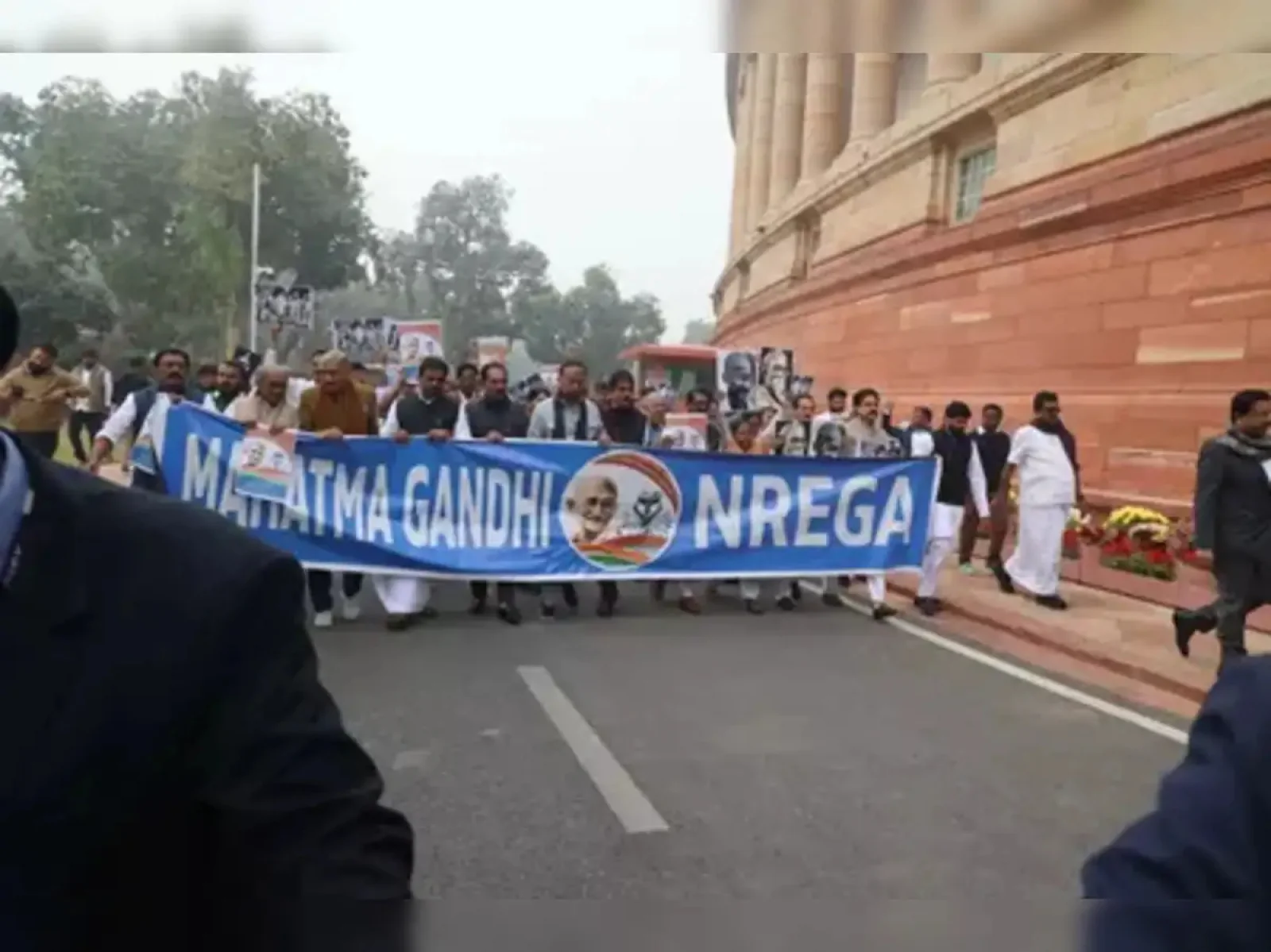

The debate on MNREGA, the largest rural jobs scheme, has picked up pace in the nation. As there have been discussions between the central government regarding the replacement of the MNREGA with a new scheme, an open letter was signed by over 350 scientists, academicians, research scholars, and grassroots workers that the MNREGA should not be dismantled but its weaknesses should be removed.
The case for seeking to repeal the Mahatma Gandhi National Rural Employment Guarantee Act, 2005, and substituting it in its place by the ‘Vikasit Bharat-Guarantee for Employment & Livelihood Mission (Rural) Act, is a weak one,” asserts the open letter. The letter also declares the “greatest strength of the MNREGA is the demand-driven character of the scheme, which gives the poor the legal right to demand employment.
The open letter states that MNREGA is a rights-based scheme. It not only empowers the poor to seek employment but also strengthens local democracy. It allows marginalized people to express themselves and ensures the voices of minorities are heard. In contrast, the new proposed scheme's structure follows rules set from above and places the burden on the poor to prove their worth.