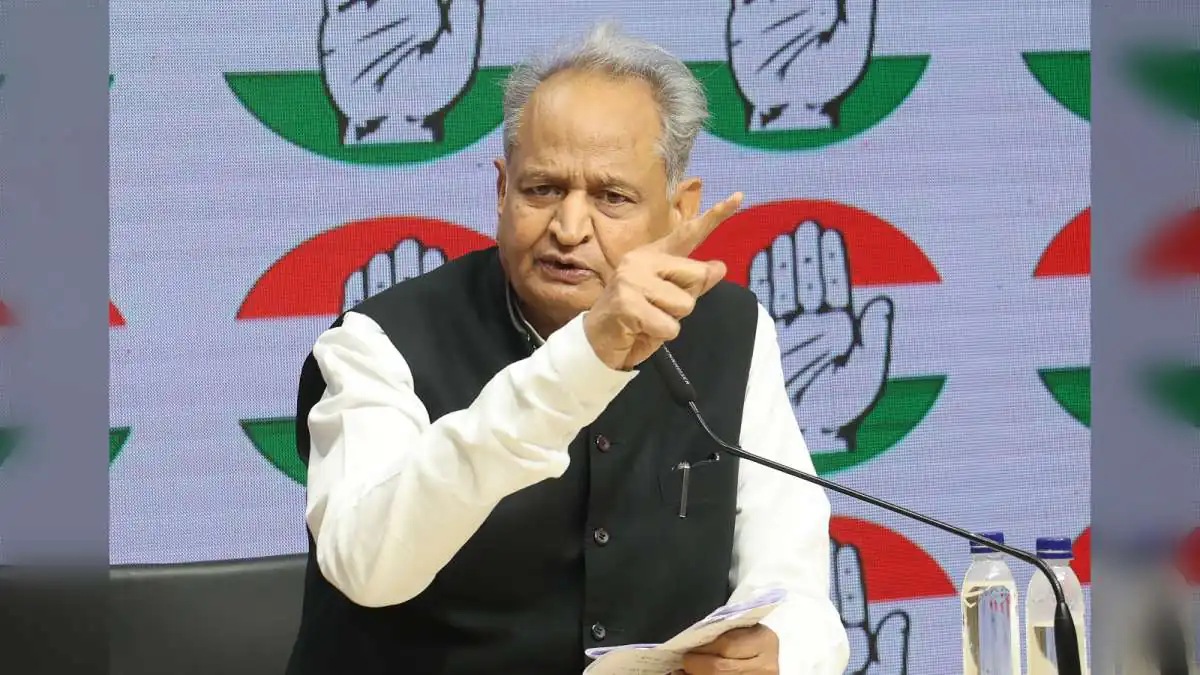
"Another example of the Modi government's shortsightedness and wrong decisions is the decision to blend large quantities of ethanol with petrol without adequate preparation," Gehlot said. "The people of the country are having to suffer the consequences of this decision on several fronts."
Sugar Prices Surge Amid Supply Diversion
Central to Gehlot's criticism is the direct impact on household budgets. By reallocating significant volumes of sugarcane juice and B-heavy molasses toward bio-ethanol production to meet national blending targets, the domestic supply of refined sugar has faced immediate pressure.
Gehlot pointed out that retail sugar prices experienced a sharp spike of ₹14 to ₹17 per kilogram within a fortnight, attributing the sudden surge directly to supply shortages created by policy-driven diversion. The price hike arrives at a time when consumer budgets are already strained by broader inflationary pressures across essential commodities.
"In just 15 days, sugar prices have increased by Rs 14 to Rs 17 per kg," Gehlot noted, arguing that the policy disproportionately burdens middle- and lower-income families while benefiting select industrial processors.
Automotive Damage and Reduced Mileage
Beyond agricultural and retail concerns, the former Chief Minister raised alarms over the technical impact of high-blend ethanol fuels—such as E10 and E20—on standard internal combustion engines. Ethanol possesses lower energy density than pure petrol and absorbs moisture easily, which motorists across several states have reported as a cause of fuel line corrosion, component degradation, and noticeable drops in vehicle fuel efficiency.
Gehlot argued that citizens are essentially paying twice: first through higher pump prices for fuel that yields lower mileage, and second through unexpected mechanical repair bills.
"This is nothing short of looting the hard-earned money of the common man," Gehlot asserted, stating that ordinary vehicle owners are bearing the financial cost of poor policy execution.
Environmental Concerns and Demand for Review
Adding to the economic critique, Gehlot highlighted environmental red flags associated with the rapid expansion of ethanol distilleries. He cited growing complaints from regional communities regarding untreated industrial effluent discharging into local water bodies and elevated air emissions near major manufacturing hubs.
Concluding his remarks, the veteran politician urged the union government to step back from rigid blending timelines and execute a transparent, comprehensive review of the entire ethanol roadmap. He emphasized that future policy calibrations must balance green energy goals against food security, consumer protection, and environmental safeguards.
"The central government has taken such a decision without making adequate preparations, and the people of the country are now paying the price," Gehlot stated, calling for an immediate policy reassessment.







































.jpg)