


















































.jpg)













Ministry of Finance (India) Says Prolonged West Asia Tensions Could Impact Rupee and Inflation
The Indian Ministry of Finance has warned that if the ongoing tensions in West Asia continue for a long time, the exchange rate, current account deficit, and inflation could increase. Rising petroleum and fertilizer prices could impact inflation. Will India's foreign exchange reserves and controlled inflation be able to protect the rupee in this crisis?


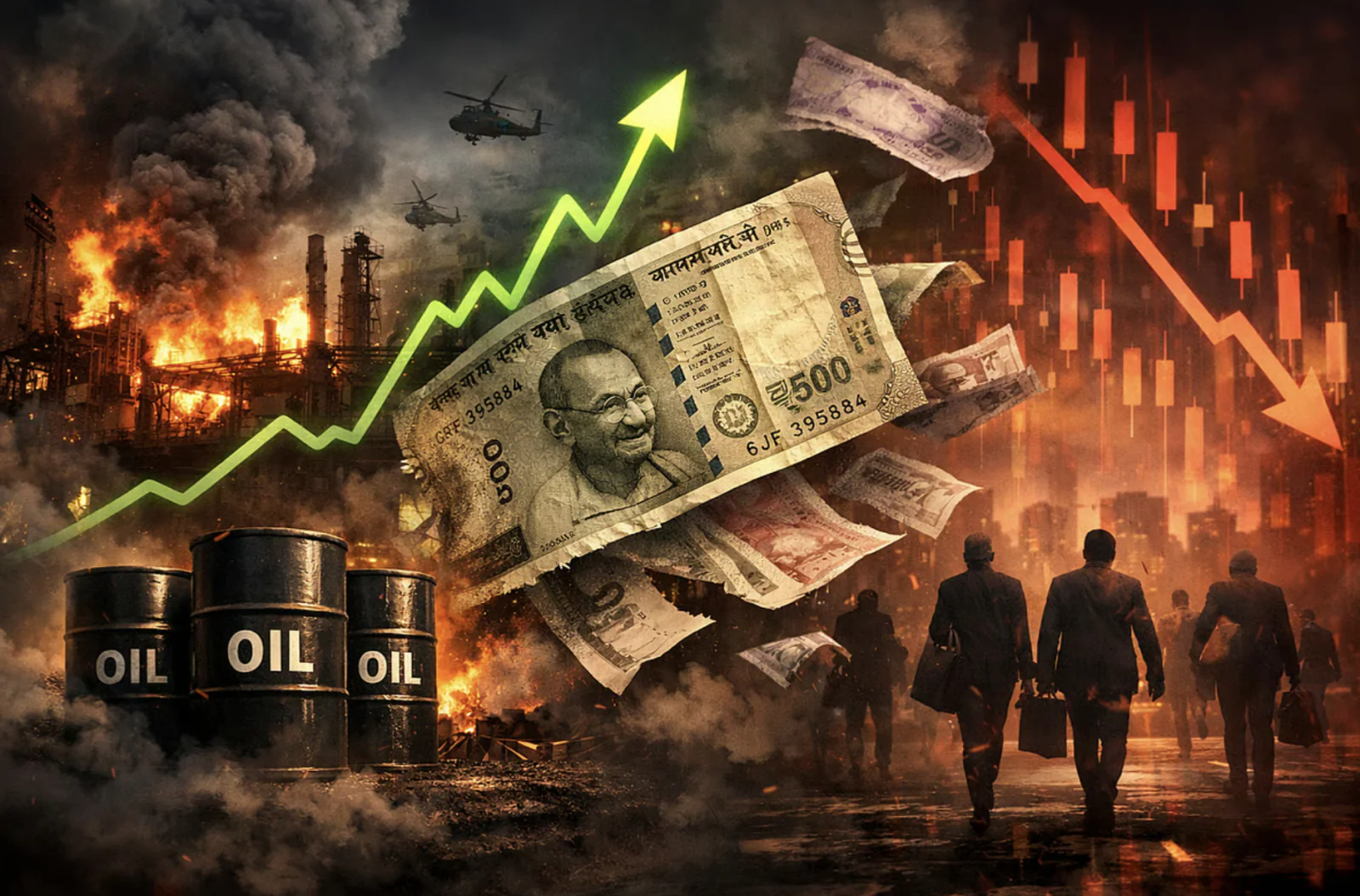

If the crisis in West Asia persists for a long time, the rupee may lose value. Prices of oil and fertilizer may also increase, leading to higher inflation. A report by the Finance Ministry, which was released on Friday, said that despite being a major crude oil importer, India can manage to reduce the impact of higher crude prices in the global market due to its foreign exchange reserves, low current account deficit, and controlled inflation.
However, if the crisis persists, the rupee’s value, the current account deficit, and inflation may deteriorate. These sectors may also face pressure due to higher LNG and oil-based fertilizer/petrochemical prices. The Finance Ministry stated in its February Economic Review Report that capital flows to safe havens will put additional pressure on the currency.
The Finance Ministry stated in the report that increased tensions following the attacks on Iran have disrupted shipping through the Strait of Hormuz. Despite this disruption, the external sector remains stable despite uncertainty in global trade. Furthermore, active trade diplomacy, including trade agreements with the US and the European Union, is expected to diversify export destinations and enhance external strength in the medium term.