













India-US Trade Pact Expected to Boost Exports in Textiles, Jewellery, Engineering Sectors

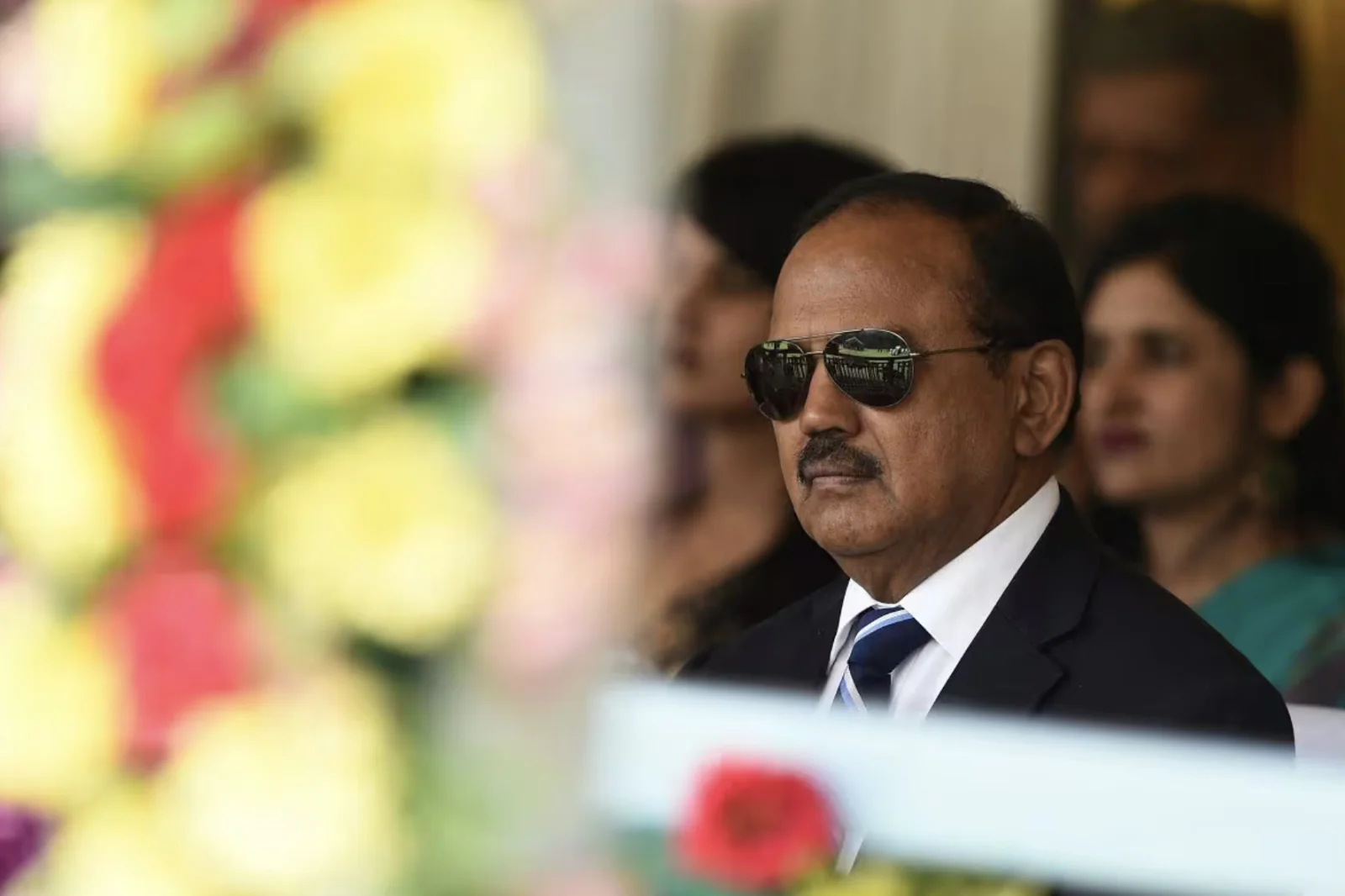
Doval gave a clear message to Rubio that India will not succumb to pressure from the Trump administration and is willing to wait until his term if necessary, as India has faced hostile US administrations before. Doval said that the US should reduce public criticism of India to improve relations.

Thu, 05 Feb 2026 12:06 AM (IST)
India-US Trade Pact Expected to Boost Exports in Textiles, Jewellery, Engineering Sectors

After months of tension between the US and India, President Donald Trump of the US and Indian Prime Minister Narendra Modi announced a surprise trade deal on February 2, 2026. As a result of this deal, the US agreed to reduce its tariff rates from 50% to 18% for goods imported from India, as well as eliminate an additional 25% punitive duty on Russian oil purchases.

Trump’s tweet claimed that the agreement with Modi, the Prime Minister of India, included an agreement to stop purchasing Russian oil, buy oil from the US and potentially Venezuela, reduce tariffs on US goods to zero, and buy $500 billion of goods from the US. However, the statement of PM Modi only confirmed an 18% cut in tariffs. Indian officials have not confirmed some details of the agreement, and no written document has been made public.

The agreement appears to be linked to a confidential meeting between National Security Advisor Ajit Doval and US Secretary of State Marco Rubio in September 2025. According to a Bloomberg report, Doval clearly conveyed to Rubio that India would not bow to pressure from the Trump administration and was willing to wait until his term if necessary, as India has faced hostile US administrations before. Doval said the US should reduce public criticism of India to improve relations.
Advertisement

Want to get your story featured as above? click here!

Advertisement

Want to get your story featured as above? click here!

Trump had called India a "dead" economy in August 2025 and imposed a 50% tariff (25% base + 25% penalty) on Russian oil purchases, which had worsened relations between the two countries. Following the Doval meeting, Trump congratulated Modi on his birthday in September, and the two leaders held several phone calls through the end of the year. The arrival of the new US Ambassador, Sergio Gor, in December also intensified efforts.

However, the announcement of the agreement surprised many senior officials in New Delhi, as they were unaware of the Trump-Modi call that day. Experts believe the agreement signals an improvement in India-US relations, but India wants to maintain its strategic autonomy. Modi recently met with Putin and Xi Jinping in China, signed trade agreements with the European Union and Britain, and has maintained strong ties with Russia.

Nisha Biswal of the Asia Group said this is a beneficial step in India's opening up to global trade. Chietij Bajpai of Chatham House said that while relations remain strong, the earlier enthusiasm has now waned. Milan Vaishnav of the Carnegie Endowment emphasized that the US will remain an important source of capital, technology, and investment for India.

Muskan Kumawat Muskan Kumawat is a Journalist & Content Writer at Sangri Times English, covering a wide range of topics, including news, entertainment, and trending stories. With a strong passion for storytelling and in-depth reporting, she delivers engaging and informative content to readers.