







































India Hikes Export Duty on Diesel and ATF Amid Global Energy Crisis to Safeguard Domestic Supply
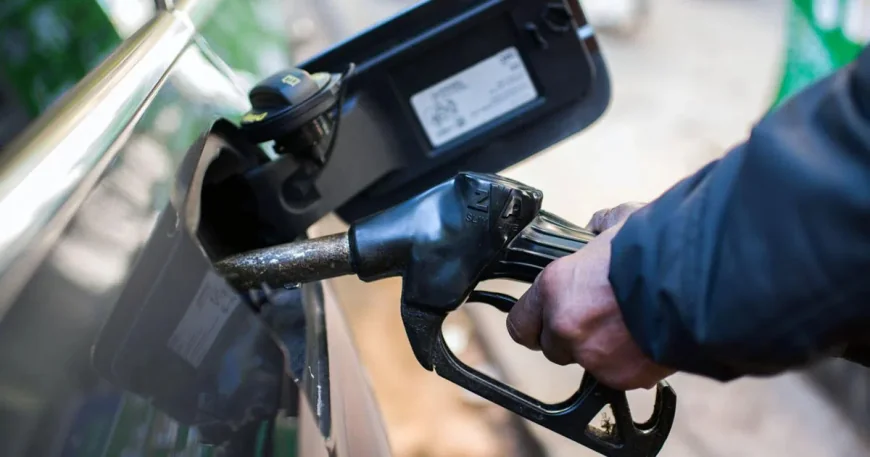
The Indian government has increased export duty on diesel and ATF. The duty on diesel has increased from ₹21.5 to ₹55.5 per liter and on ATF from ₹29.5 to ₹42 per liter. This step has been taken to ensure fuel supply in the domestic market.
The Indian government has hiked the export duty on both diesel and ATF. According to a notification issued by the Ministry of Finance on Saturday, the export duty on diesel was hiked from ₹21.5 per liter to ₹55.5 per liter.
The export duty on ATF was increased from ₹29.5 per liter to ₹42 per liter. Export duty on Petrol will remain unchanged at zero percent.
This decision is taken amid the ongoing row in the Western world regarding global energy supply. This indicates that while there is sufficient supply of petrol, diesel, and ATF within the country, there is insufficient supply of the same globally.

Want to get your story featured as above? click here!
India recently informed the global community that it had enough crude oil stocks to last for 70 days. Currently, talks are underway between Iran and the United States regarding the opening of the Strait of Hormuz, but no final decision has been reached.
According to official sources, this move is not aimed at increasing revenue, but rather to encourage petroleum companies to prioritize the domestic market. The government does not want companies to impact fuel availability in the domestic market by promoting exports.
Operative Ministry officials are issuing daily statements stating that despite the disruption in energy supply, they have not increased the prices of petrol and diesel in the domestic market. Meanwhile, retail prices of petroleum products have risen significantly in almost all countries around the world, including India's neighboring countries.
Recently, the Petroleum Ministry reported that Indian oil companies are facing an under-recovery (loss) of ₹24 per liter on petrol and ₹104 per liter on diesel. Consequently, there is a fear that oil companies may divert petroleum products from India to other countries to generate profits.
This decision will also directly impact Reliance Industries, the country's largest private refinery. Reliance is India's largest exporter of petroleum products, and its diesel exports account for a significant portion.
This significant increase in export duty will increase the company's diesel export costs, reducing its export profits. As a result, the company will be forced to either reduce export volumes or sell more products in the domestic market.
It is worth noting that the government recently provided relief to oil companies by reducing excise duty, allowing them to maintain stable prices in the domestic market. Now, by increasing export duty, the government has ensured that companies do not neglect domestic supply in pursuit of exports.
India imports up to 90 percent of its crude oil and 60 percent of its gas needs from abroad. No other major economy in the world is so dependent on foreign countries for its energy needs.
India currently consumes 5.5-5.6 million barrels of crude oil daily. Of the growing global demand, 30 percent is coming to India alone. Currently, India buys crude oil from more than 40 countries, but West Asian countries remain the major suppliers.