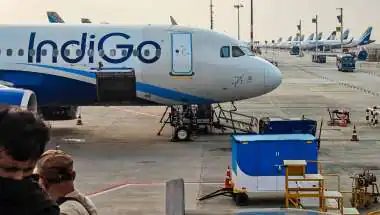
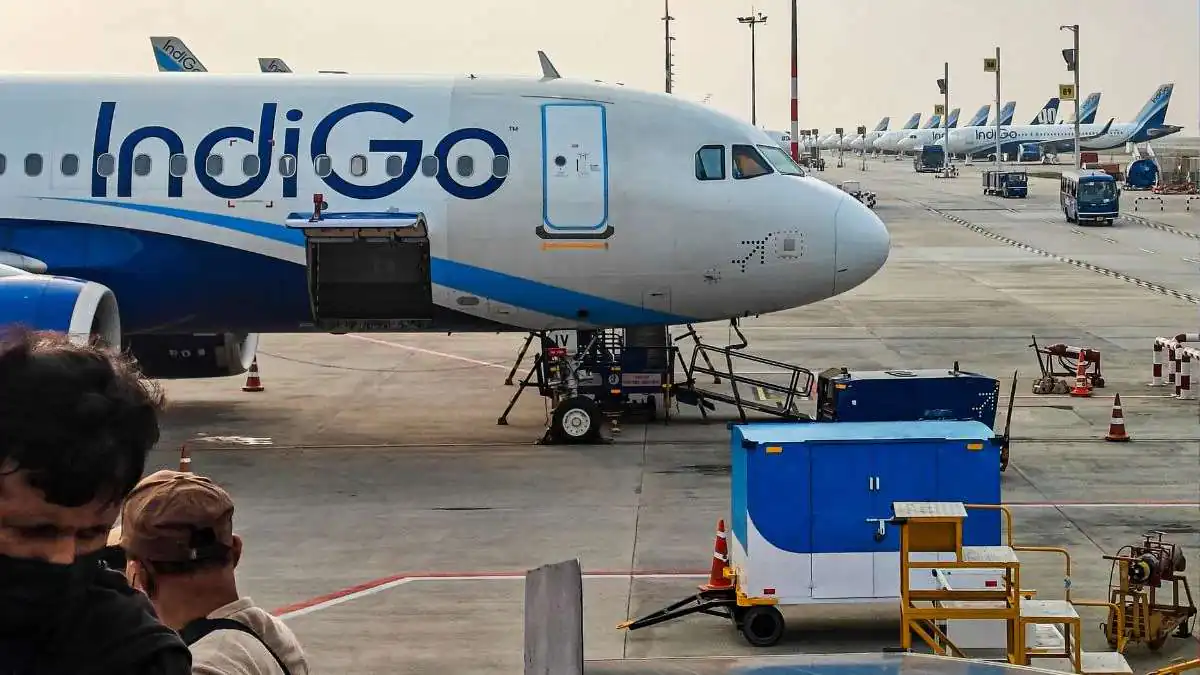
The hike in fuel prices and the depreciation of the rupee has been a big hit to the profitability of IndiGo, which is India's biggest airline. The company made a loss of ₹1,879.1 crore in the September quarter despite experiencing an increase in its overall income. However, the question is: why does the airline need to increase prices if it needs to reduce them to enhance ticket sales?
According to Willie Walsh, the IndiGo CEO, the company's robust financial standing and the cost-effective nature of its business model serve as a buffer; however, it has been compelled to increase airfares due to escalating fuel prices.
InterGlobe Aviation Limited, which is the IndiGo parent company, experienced an increase in its total revenue by 24% from ₹19,599.5 crore in the corresponding quarter last year to ₹24,311.9 crore in the current quarter.
However, despite the increase in revenue, the company was unable to make any profit. Total expenditure of the company reached ₹26,188.4 crore in the September quarter, which resulted in total expenses surpassing total revenue by ₹1,876.5 crore and making a loss of ₹1,879.1 crore in the September quarter.
This basically means that the earnings of the company are increasing; however, the huge increase in operating costs is blocking them from earning profits.
The airline's biggest concern is the surge in aviation fuel prices. In the September quarter, IndiGo's aviation fuel expenses increased by 67.2 percent to ₹9,966.8 crore.
Fuel is one of the most significant expenses for an airline. The more flights an aircraft operates, the more fuel consumption increases. When fuel becomes expensive, the cost of flights also increases.
Furthermore, the weakening of the rupee also put pressure on the company's financial position. Many expenses in the aviation sector are denominated in foreign currency. Therefore, a weakening of the rupee against the dollar could make it more expensive for the airline to pay for these expenses.
According to the company, exceptionally high fuel costs and the depreciating rupee have impacted its profitability.
In his first media interaction since assuming the position of CEO in August, Willie Walsh stated that IndiGo's cost structure is already highly efficient. The company operates with a strong financial position and ample cash availability.
According to Walsh, IndiGo's strong cash position gives it options that many of its competitors may not have. The company may consider some cost-cutting measures as needed, but large-scale cost reductions should not be expected at this time.
IndiGo stated that its business already operates at a low cost. Therefore, instead of taking drastic cost-cutting measures, it wants to address rising costs through other strategies.
Rising fuel prices and geopolitical uncertainties arising from the West Asian crisis have increased the airline's operating costs. This is also impacting airfares. Other airlines, including IndiGo, are also imposing fuel surcharges on tickets.
Walsh said IndiGo wants to try to minimize fare increases. Low fares in India have helped the airline boost air travel demand. However, fare increases have become necessary to offset the significant increase in fuel bills.
This means that instead of bearing the entire cost burden itself, the airline can pass on some of the cost to passengers. However, Walsh did not specify the extent of the fare increase.
If fuel prices remain high, airlines may face pressure to increase fares, making air travel more expensive for passengers. On the other hand, low fares play a key role in increasing air travel demand. Therefore, airlines face the challenge of striking a balance between covering costs and providing affordable tickets to passengers.
A strong cash position and efficient cost structure may provide relief for IndiGo, but September quarter figures show that even rising revenues did not fully offset the impact of fuel expenses.
Fuel prices, the movement of the rupee, and fare increases will continue to significantly impact the company's profitability in the future. For now, the airline's stance is clear: instead of a major cost-cutting program, it will consider making necessary fare adjustments to offset rising costs while maintaining operational efficiency.