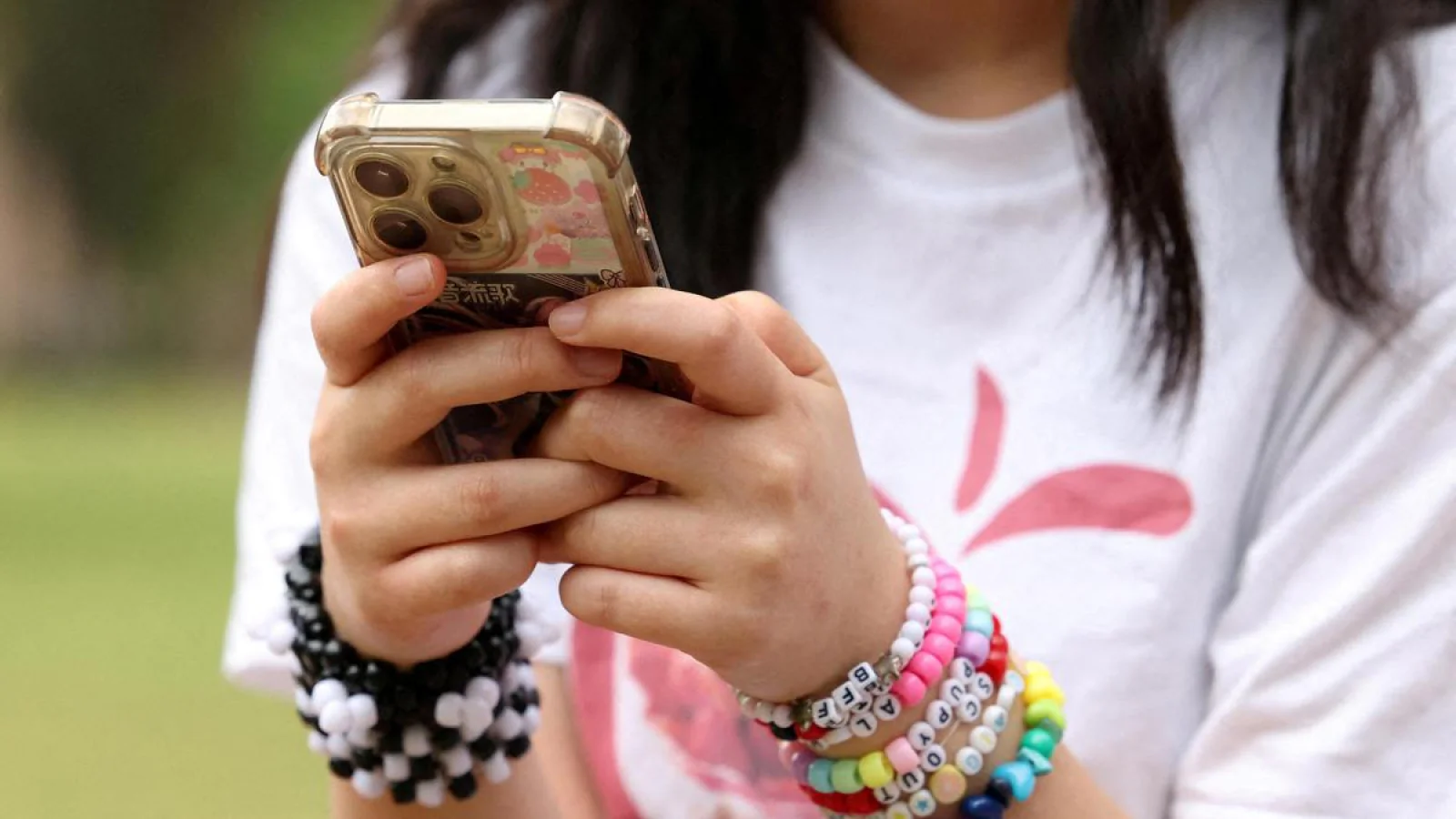
Social media has made the world a smaller place. Nowadays, any individual from any corner of the world can reach out to a stranger who might be thousands of miles away. However, this unprecedented connectivity also comes with some adverse effects. These issues resulted in the first-of-its-kind reform introduced in Australia, which does not allow people under the age of 16 on some social media platforms.
Is it possible for India to carry out these changes? Is there enough reason to prohibit children from using social media? The possible difficulties in this process and an alternative to this blanket ban are also some of the questions being considered in the debate in India.
Australia's Social Media Ban Online Safety Amendment (Social Media Minimum Age) Act came into effect on December 10. The November 2024 law amended the 2021 Online Safety Act and imposed a minimum age requirement for accessing social media platforms.
According to a Times of India report, Australia had 20.9 million social media user identities (as of February 2025), representing 78% of its population. Senior journalist Dr. Alok Kumar explained, "This ban could be implemented in a country like Australia, which is located in a corner of the world and has a small population despite its vast land mass."
The Australian government has stated that these measures are only for minors, but Kumar suggested that the move may also be aimed at addressing concerns raised by Jewish groups about "rising anti-Semitism" in Australia. Referring to the Israel-Hamas war, Kumar said, "Exposure to social networking sites has radicalized many people who already harbor anti-Semitism."
In May, Australia's neighbor, New Zealand, introduced a draft bill proposing a social media ban for those under the age of 16. In Britain, although the Online Safety Act has been in effect since July, a recent YouGov poll found that 74% of adults support a complete ban on minors' accounts.
Other European countries, including Denmark, Norway, Ireland, Spain, and the Netherlands, have also proposed age-based restrictions. In the US, such regulations are at the state level, while Brazil raised Instagram's minimum age from 14 to 16.
A similar ban in Nepal, a neighboring country of India, sparked protests by "Gen Z" members, resulting in the fall of the government. Australia's ban applies to approximately 1.5 million people out of a total population of approximately 27.5 million; India, the world's most populous country, has a population of approximately 1.5 million people of this age, far exceeding Australia's entire population.
According to DataReportal's Digital 2025: India report, the country had approximately 806 million internet users at the beginning of the year, including approximately 491 million social media user identities. Its popularity among young people, as well as its overall growth, is due to several reasons, including low-cost access, affordable smartphones, and some of the world's cheapest mobile data plans.
Many users, especially young people, are turning to content creation—such as vlogging or short-form videos—either as a full-time career or as an alternative livelihood. Internet/Social Media Regulation in India does not ban platforms entirely, but regulates them through the Information Technology Act, 2000, and the Information Technology Rules, 2021.
According to a TOI report, no, because such a move could not only cause widespread unrest but also derail the country's digital progress, such as digital wallet payments. The expert explained, "If the government wanted to, it would have already banned social media. The common man is busy watching jokes or some entertaining content on social media. His attention is diverted from everyday issues. So why would the government impose a ban? Anyway, a large-scale ban is not possible."










































.jpg)