































































Supreme Court of India Says Parliament Not Bound by Government Affidavit
The Supreme Court stated that Parliament has full authority to enact laws and is not bound by an affidavit from the central government. This observation came during a hearing on the validity of Section 152 of the Indian Penal Code, which is similar to the old sedition law. The court had stayed the sedition law in 2022, but now emphasized Parliament's authority. The next hearing in the case will be after Holi.


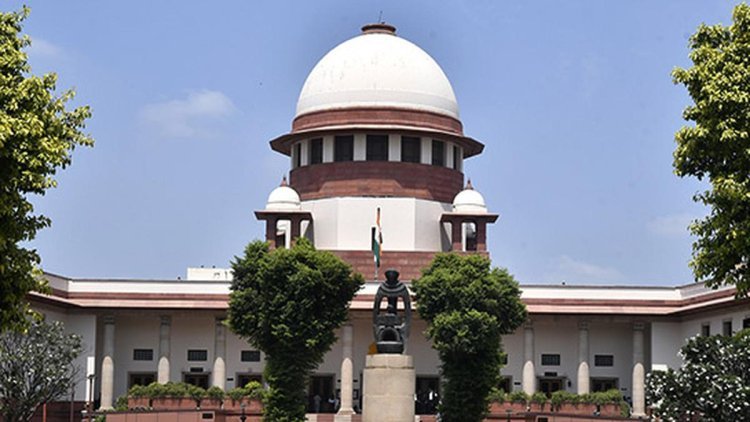

The Supreme Court on Friday observed that Parliament enjoys complete legislative powers and is not bound by any affidavit filed by the central government in court. This was stated by a bench headed by Chief Justice Surya Kant and Justice Joymalya Bagchi.
The bench is hearing petitions that question the validity of Section 152 of the Indian Penal Code (IPC). This section deals with acts that affect the sovereignty, unity, and integrity of the country. The lawyer of one of the petitioners said that Section 152 reinstates Section 124A (Sedition) of the former Indian Penal Code.
In May 2022, a three-judge bench of the Supreme Court stayed the sedition law until it was reviewed by an appropriate government forum and directed the central and state governments not to file any FIRs for sedition. A lawyer explained on Friday that in 2022, the central government had submitted an affidavit to the Supreme Court stating that it would review the sedition law.