












%20(5).jpg)






















%20(7).jpg)
.jpg)







%20(3).jpg)


Vinay Mohan Kwatra Hails Historic ISRO–NASA Partnership, Eyes Future Lunar Mission
ISRO-NASA Ties: Indian Ambassador Vinay Mohan Kwatra said that cooperation between ISRO and NASA has been 'fruitful and historic'. He reminded that the India-US space journey began in the 1970s with initiatives such as the Satellite Instructional Television Experiment (SITE). India is planning a manned lunar mission and a space station between 2028 and 2035 and NASA will remain an important partner in this.


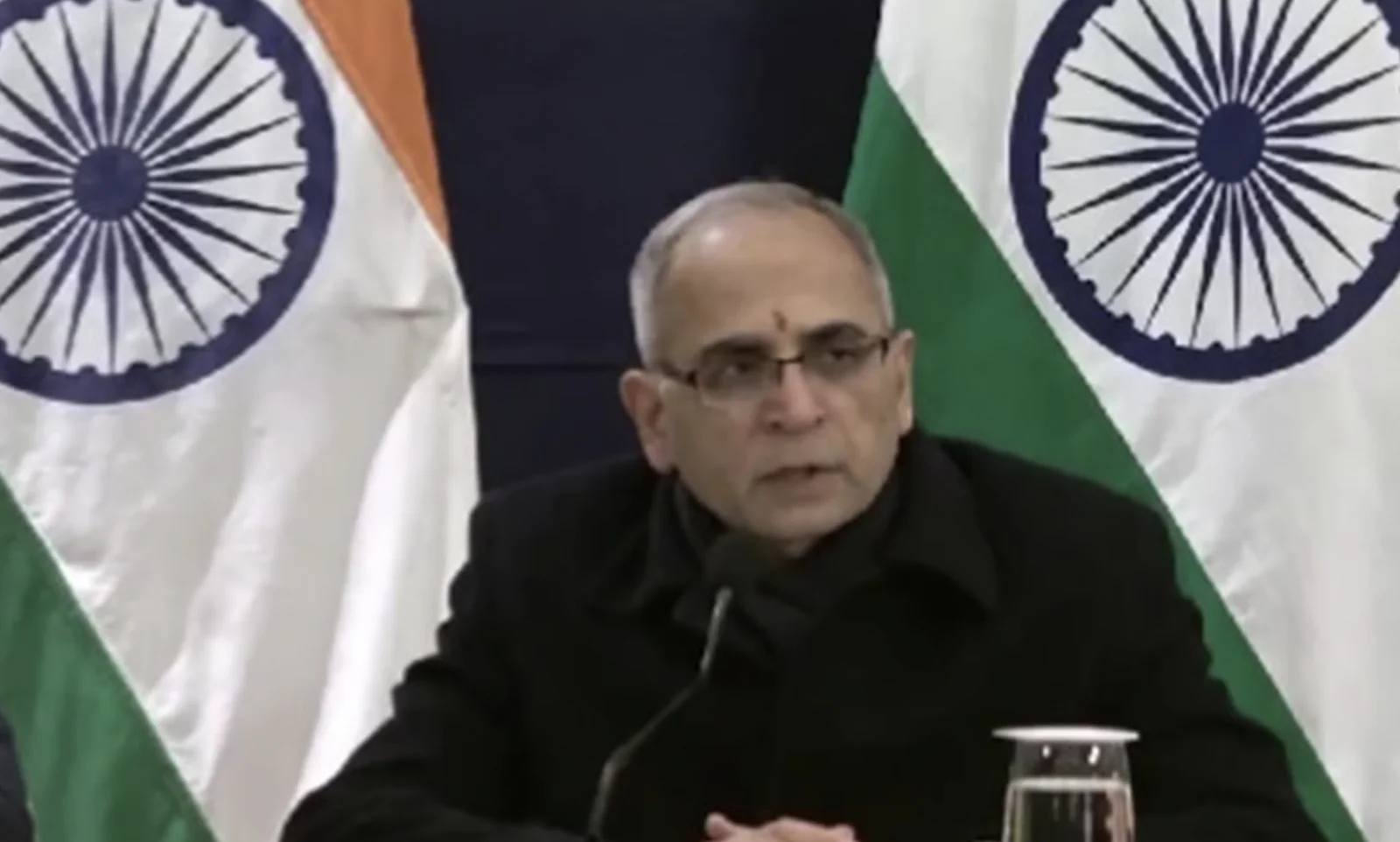

Indian Ambassador to the US Vinay Mohan Kwatra termed space cooperation between India and the US a robust pillar of the bilateral relationship between the two nations. He added that collaboration between the Indian Space Research Organization (ISRO) and the US Space Agency (NASA) has been 'fruitful and historic'.
Ambassador Kwatra was speaking at the India-USA Space Cooperation Program in Washington. Astronauts Sunita Williams, Nick Hague, Butch Wilmore, and Group Captain Shubhanshu Shukla of the Indian Air Force had also attended the meeting.
He remembered that the India-US space voyage started in the 1970s with missions like the Satellite Instructional Television Experiment (SITE). It was meant to expand access to education. This partnership has since grown to various high-level missions. They include the Chandrayaan series, India's accession into the Artemis Accords, and the joint NASA-ISRO Synthetic Aperture Radar (NISAR) mission launched earlier in the year.