














































.jpg)










Startup India Marks a Decade of Transforming India’s Entrepreneurial Ecosystem
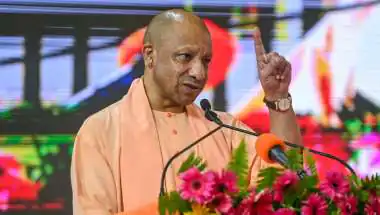
Prime Minister Narendra Modi’s remarks on National Startup Day highlight India’s shift from a job-seeking mindset to a job-creating economy. The Startup India initiative has empowered youth to take risks, innovate, and build enterprises across sectors. With strong policy support, financial backing, and digital infrastructure, startups have flourished beyond metros into smaller cities, turning India’s demographic strength into a powerful engine for economic growth and nation-building.




Prime Minister Narendra Modi's praise for young people's risk-taking on National Startup Day highlights India's evolving economic mindset. He emphasized that those who take risks in vital tasks for the country face personal losses, but the benefits are for the nation. This belief underpins India's startup movement. Post-independence, India's youth were seen mainly as job seekers, but over the last decade, this view has shifted. Today, they are also job creators. The Modi government's "Startup India" initiative has been central to this change, serving as a visionary foundation for India's economic future and marking a turning point for the new entrepreneurial generation.
India now has a significant demographic advantage, with nearly two-thirds of its population of working age. This youth energy presents immense opportunity and challenge-if harnessed for innovation and production, India could become a global economic power. Without proper support, however, it risks dissatisfaction and unemployment. To turn this challenge into an opportunity, the Startup India Mission was launched on January 16, 2016. Its goal: foster innovation, support entrepreneurship, and create a supportive policy ecosystem where risk-taking is part of nation-building.
A key feature of Startup India is its reach beyond metropolitan areas. Over 50 percent of startups are from Tier-2 and Tier-3 cities, debunking the myth that innovation is confined to big cities. Youth from smaller towns are creating global companies in sectors such as agritech, healthtech, edtech, fintech, and manufacturing. The government has provided both policy and structural support through initiatives like the Startup India Seed Fund Scheme and the Fund of Funds for Startups, which has sanctioned ₹10,000 crore.