















































.jpg)











Rupee Becomes Worst-Performing EM Currency in 2025; Falls 3.4% to 88.7 per Dollar
Jefferies Report: 2025 has been a bad year for the rupee. Foreign investors sold $1.6 billion in shares. According to Jefferies' report, the rupee performed the worst compared to major emerging market currencies.


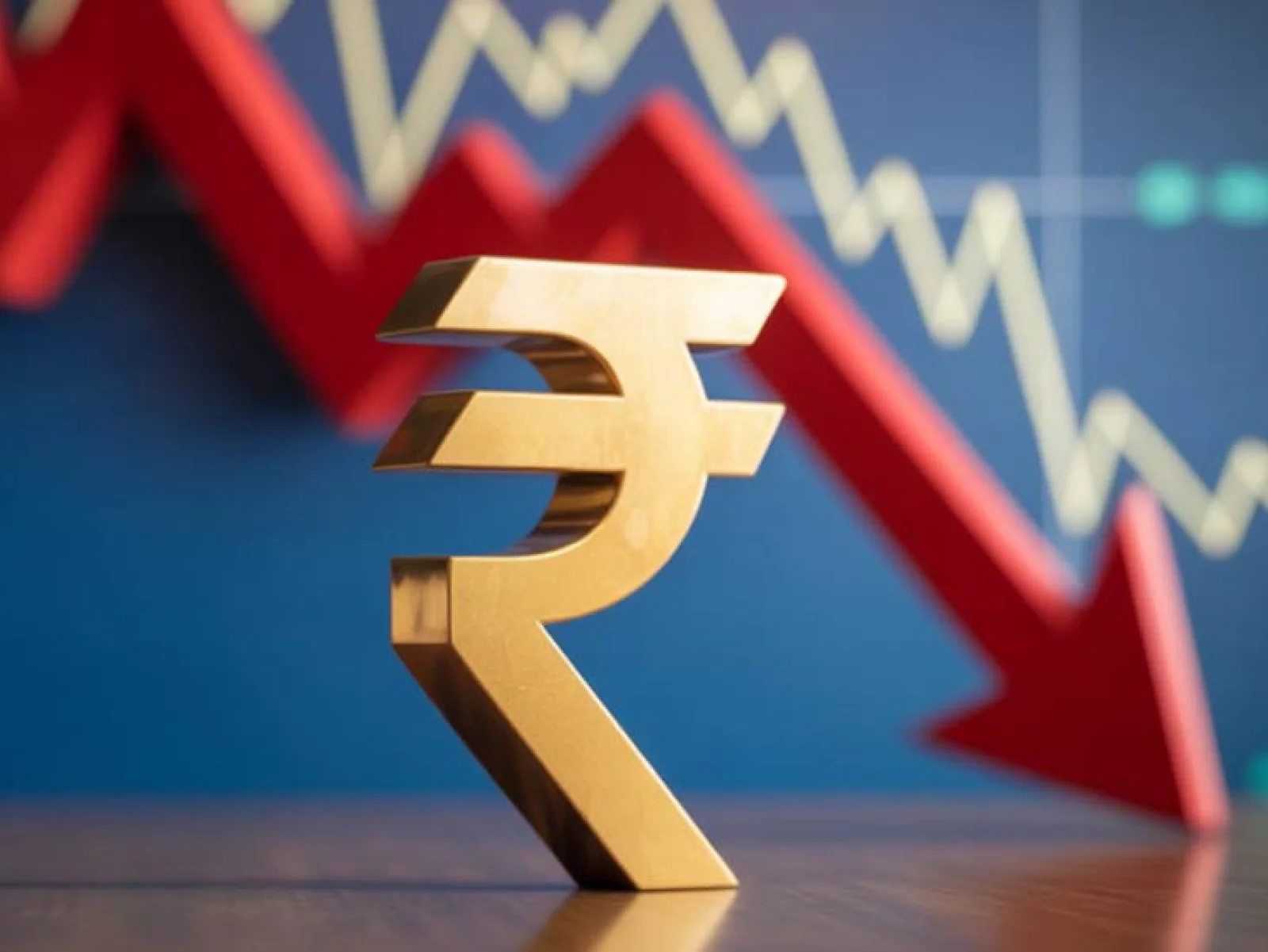

The rupee has been seeing fluctuations against the US dollar continuously. It has been the worst performer among major emerging market (EM) currencies so far this year. The rupee has fallen 3.4% against the dollar so far this year, trading at 88.7, said Jefferies in its Greed and Fear report. 2025 has been the worst year for the rupee's performance.
Jefferies said, citing its Indian experts, that the rupee will keep falling and is on course for the 89 level. In fact, downside risks have reduced after a long period of decline. The RBI continues to sell US dollars to arrest the slide of rupee. India's foreign exchange reserves amount to $690 billion now, adequate to fund 11 months of imports. On September 27, 2024, the country held a record foreign exchange reserve of $704.8 billion.
The report on the Indian stock market states that foreign institutional investors (FIIs) have sold a record $16.2 billion so far this year. This has led to a 27% decline in the Indian market's performance compared to the MSCI (Morgan Stanley Capital International) Emerging Markets Index. However, domestic institutional investors have invested more than FIIs, which has helped protect the Indian market from a major decline.