
















































.jpg)
.jpg)








RTE Petition on Minority Institutions: Supreme Court Referred Matter to CJI
The Supreme Court referred a petition seeking the inclusion of minority institutions under the RTE Act to the Chief Justice. The petition challenges the validity of certain sections of the RTE Act, seeking to include schools providing both religious and non-religious education. The petitioner has urged for the uniform application of the RTI Act and the Teacher Eligibility Test to all schools.


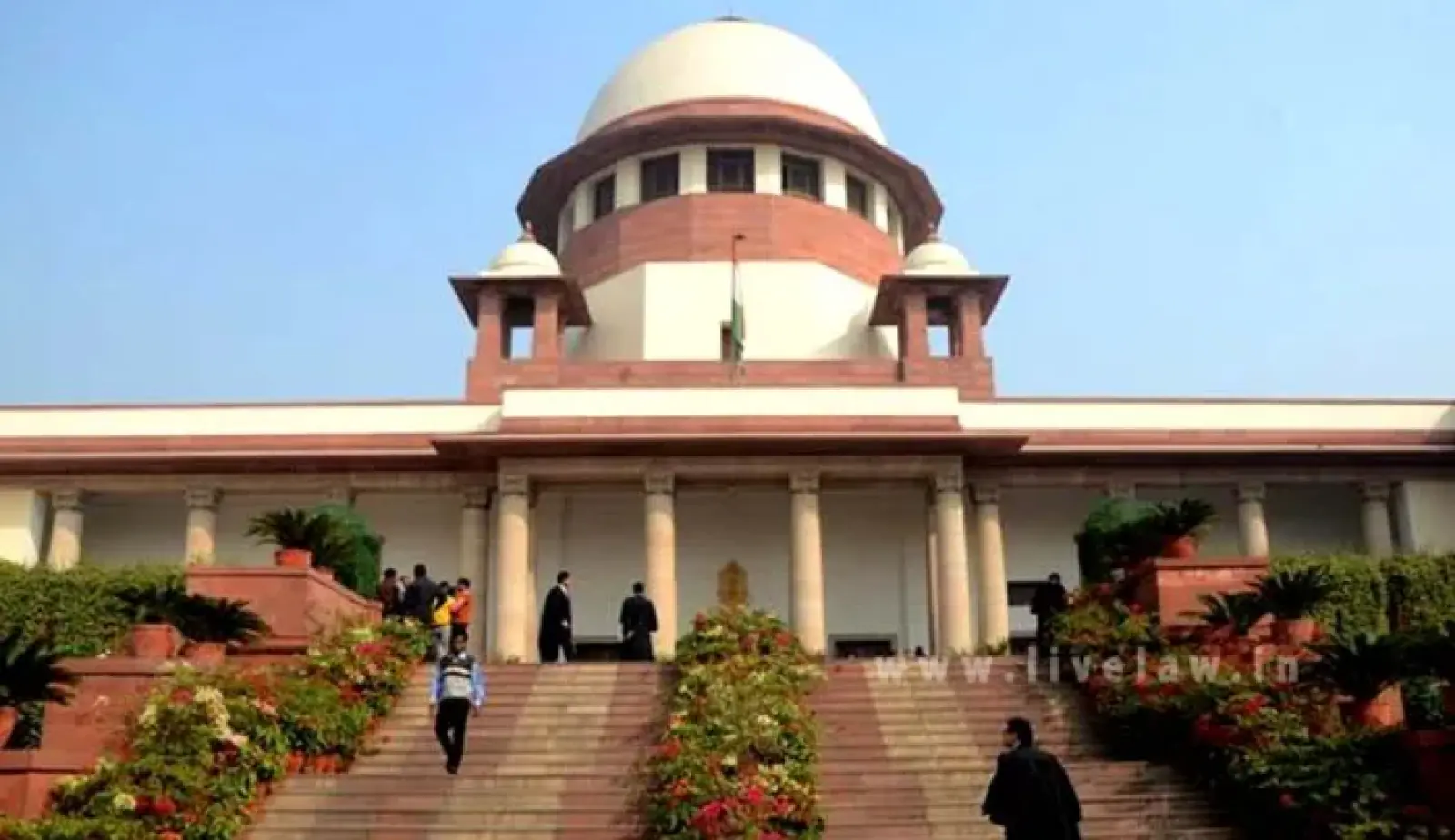

The Supreme Court ordered the filing of a petition regarding the Right to Free and Compulsory Education (RTE) Act before the Chief Justice of India for suitable orders.
A two-judge bench of Justices Dipankar Datta and Augustine George Christ pointed out on Wednesday that such a matter under the RTE Act is already pending in the Supreme Court. The bench entertained a public interest litigation requesting directions for including schools imparting both religious and secular education within the ambit of the RTE Act provisions.
The petition, filed by advocate Ashwini Kumar Dubey, also challenges the validity of Sections 1(4) and 1(5) of the Act, claiming that they are arbitrary and contrary to various provisions of the Constitution, including Article 14 (equality before the law).