















































.jpg)











'It is not right to convict based on a suspicious statement before death', comments Supreme Court
Supreme Court: The Supreme Court said that the dying statement is important evidence and conviction can be made only on the basis of this because it has special importance in criminal law. However, before relying on this statement, its quality should be examined and the facts of the whole case should be considered.


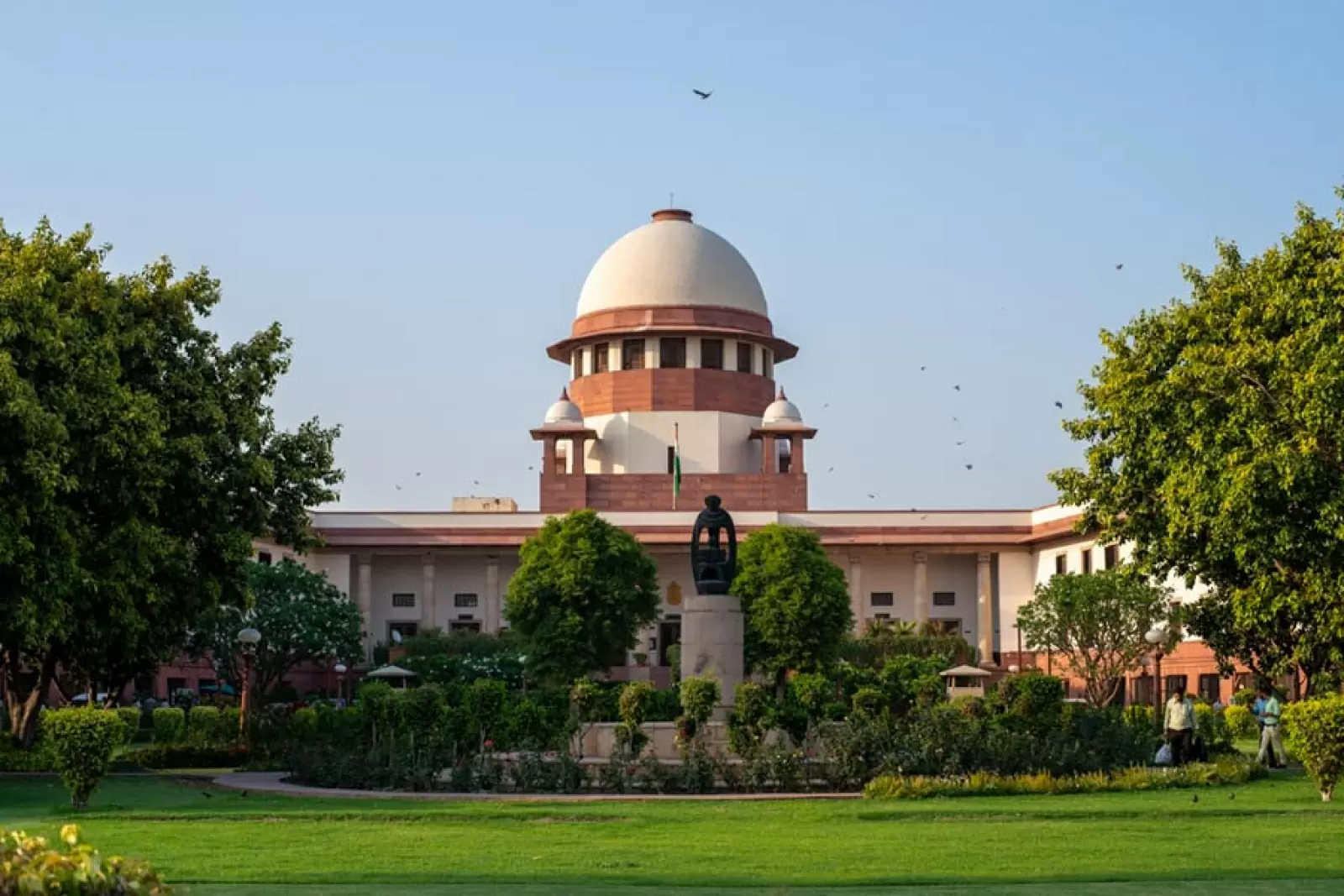

The Supreme Court ruled that when the statement made by a person immediately before his death is 'dubious' and no other corroborating evidence is available for the same, it is not right to convict the accused person based upon the statement. The Supreme Court acquitted a man who was accused of murdering his wife.
A bench led by Justice Sudhanshu Dhulia and Justice Ehsanuddin Amanullah held the dying declaration is vital evidence and conviction could be made solely on the basis of it because it is of special value in criminal law. But before taking action upon this statement, its quality needs to be examined and the facts concerning the whole case need to be considered. The Supreme Court thus acquitted a man who was convicted of setting his wife ablaze to death in September 2008. The bench explained the trial court convicted him based on his wife's dying declaration.
In other words, if the dying declaration is shrouded in doubt or there is a discrepancy in the dying declaration, the courts should look for corroborating evidence to ascertain which dying declaration should be relied upon, the bench said in its March 4 order. The bench said courts need to act cautiously in such cases. In such cases where the dying declaration is doubtful, it is not right to convict the accused in the absence of corroborating evidence, the bench said.