








































.jpg)
.jpg)








Ministry of Petroleum and Natural Gas Kerosene Plan Hits Roadblocks Amid Low Demand and State Hesitation
Following increased pressure on LPG supplies due to the ongoing crisis in West Asia, the central government has allocated 48,000 kiloliters (kL) of additional kerosene to states and union territories as an alternative cooking fuel. This is in addition to the regular monthly quota (approximately 100,000 kL).


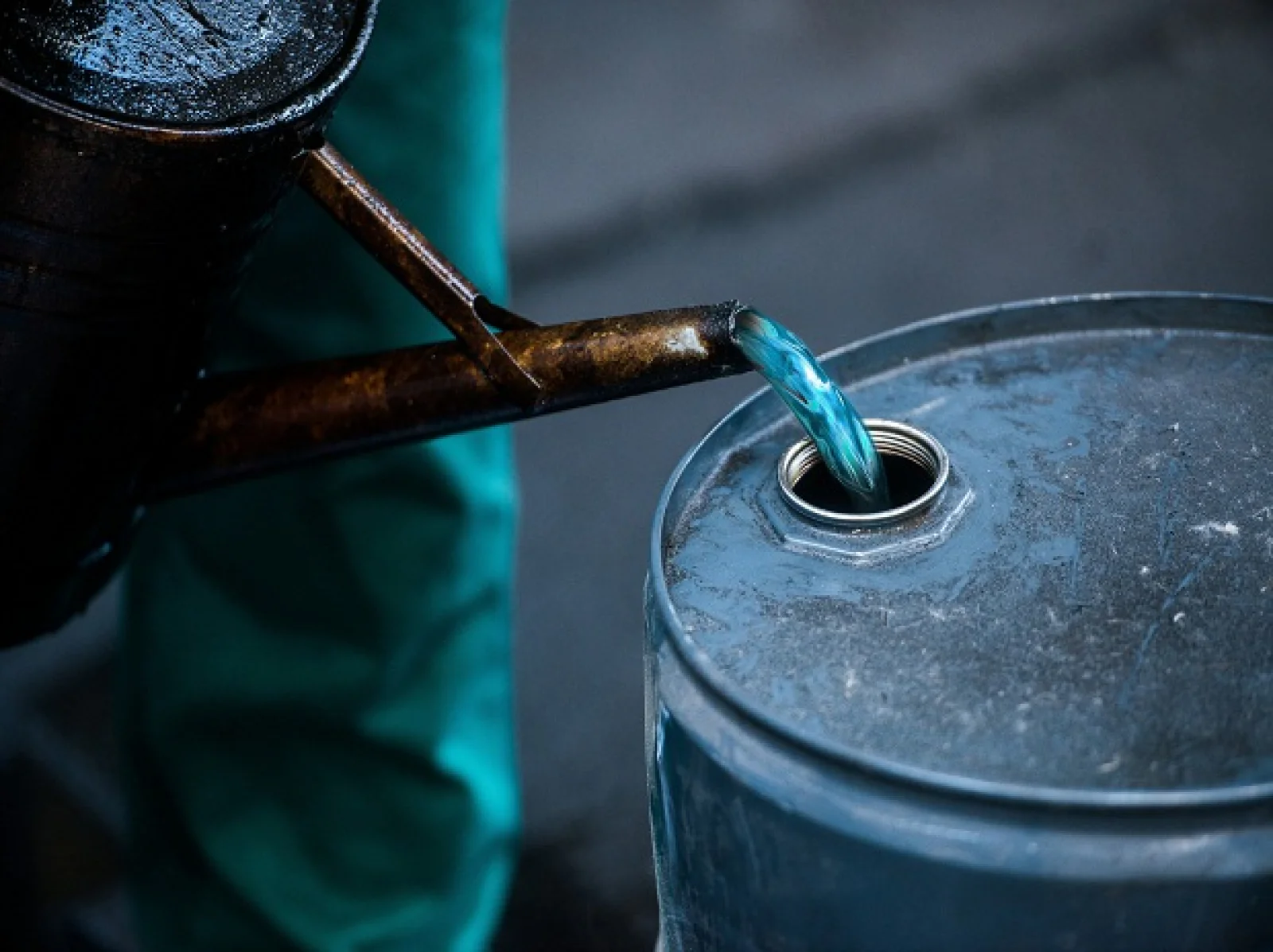

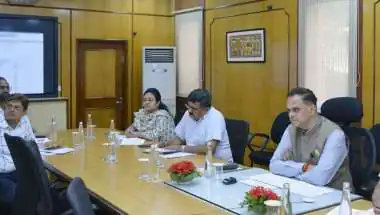
The Ministry of Petroleum and Natural Gas has directed all states to identify distribution points in districts and distribute kerosene primarily through ration shops or designated outlets. However, there has been limited enthusiasm from states to implement this scheme.
According to official reports, only 17 states or union territories have issued SKO (Superior Kerosene Oil) allocation orders so far. Meanwhile, Himachal Pradesh and Ladakh have explicitly stated they do not require kerosene. Many other states remain hesitant to issue orders.
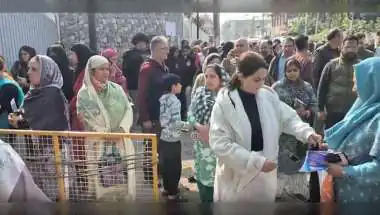
Experts and officials suggest that the main issue is the decline in kerosene stove usage. In many states like Rajasthan, Haryana, and Uttar Pradesh, kerosene distribution through the Public Distribution System (PDS) was discontinued around 2017, leaving people without access to kerosene. Additionally, the current allocation is considered too low. The central government has mandated that kerosene be distributed only at two locations per district, which could worsen the situation if those who buy stoves from the market start using kerosene, but supplies are irregular. This approach is unlikely to be popular.