













































India’s Exports Target $850 Billion in FY26 Amid Strong Services Growth

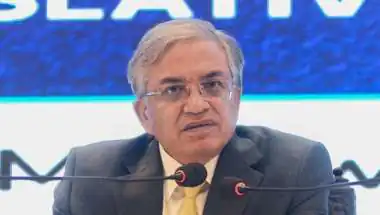
Commerce Secretary Rajesh Agarwal stated that India has always maintained a clear stance on sensitive sectors in trade agreements. He confirmed that all key sensitive sectors, including agriculture and dairy, are fully protected in the interim trade agreement with the US. India used tariff rate quotas as needed to protect farmers. Both countries are working to finalize the legal agreement by the end of March.

Thu, 12 Feb 2026 12:05 AM (IST)
India’s Exports Target $850 Billion in FY26 Amid Strong Services Growth

Commerce Minister Rajesh Agarwal declared, "India has always taken a clear stance regarding those sectors which are extremely sensitive for us, and all those sectors have been covered in the interim trade agreement between India and the US."

He said that both sides are working to convert the joint statement into a legal agreement, which is expected to be finalized and signed by the end of March.

Speaking to the media here, the Commerce Secretary said, "India has always negotiated all agreements with a clear stance."

Advertisement

Want to get your story featured as above? click here!

Advertisement

Want to get your story featured as above? click here!

In areas that are extremely sensitive for India, where we think that our farmers, fishermen, or the dairy industry might be impacted, we have made it very clear to the partner countries that we cannot open up the market or grant access in those areas.

He said, "If you look at all the agreements we have signed in the past year, we have signed five trade agreements. All of them protect sensitive sectors.

With the United States, too, all major sensitive sectors have been protected. Where there was some sensitivity, we used a tariff-rate quota system to limit market access and prevent impacts on our farmers."

Under the interim trade deal announced earlier this month, India has completely shielded sensitive agricultural and dairy products such as corn, wheat, rice, soy, poultry, milk, cheese, ethanol (fuel), tobacco, some vegetables, and meat.

No tariff concessions have been granted to the United States on these items. These products are sensitive because they are linked to the livelihoods of small and marginal farmers in the country.

Even in other free trade agreements (FTAs), India has not provided any concessions in import duties on sensitive agricultural and dairy products. India recently finalized FTAs ​​with the European Union, the United Kingdom, and Australia.

US agricultural exports to India are estimated to be $1.6 billion in 2024. Major exports include almonds (including shells, $868 million), pistachios ($121 million), apples ($21 million), and ethanol (ethyl alcohol, $266 million).

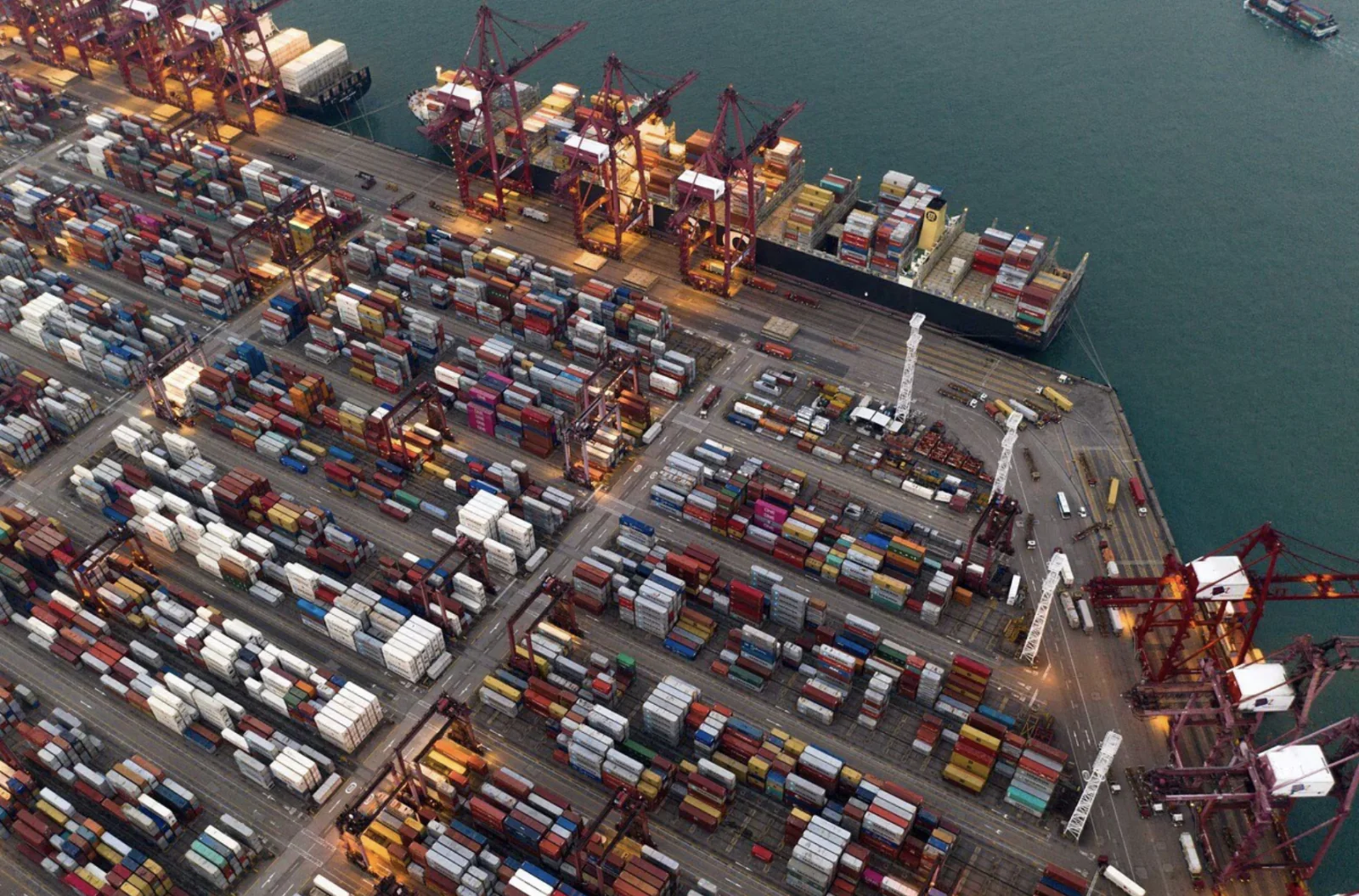
Commerce Secretary Rajesh Agarwal stated that despite global economic uncertainties, India's goods and services exports have registered positive growth so far in the current financial year and are expected to remain positive in January as well.

He stated that January export figures will be released this month. Agarwal said here, "Overall, exports are performing well. We are holding strong in goods exports. Services are doing very well as always." You can expect the January figures to be positive.

The country's merchandise exports grew by 2.44 percent to $330.29 billion during April-December 2025-26. The Commerce Ministry expects goods and services exports to cross $850 billion in 2025-26, up from $825 billion in 2024-25.

Muskan Kumawat Muskan Kumawat is a Journalist & Content Writer at Sangri Times English, covering a wide range of topics, including news, entertainment, and trending stories. With a strong passion for storytelling and in-depth reporting, she delivers engaging and informative content to readers.