





















.jpg)



























.jpg)









Indian Exporters Urge Govt to Restore Duty-Free Access to US Market
Trade Agreement: The duty-free access to shipments up to $800 in the US has now ended. Small artisans and handicraft enterprises are struggling with tariffs and lengthy customs procedures. This has impacted online exports and employment. Businesses want the Indian government to negotiate with the US and restore this exemption.


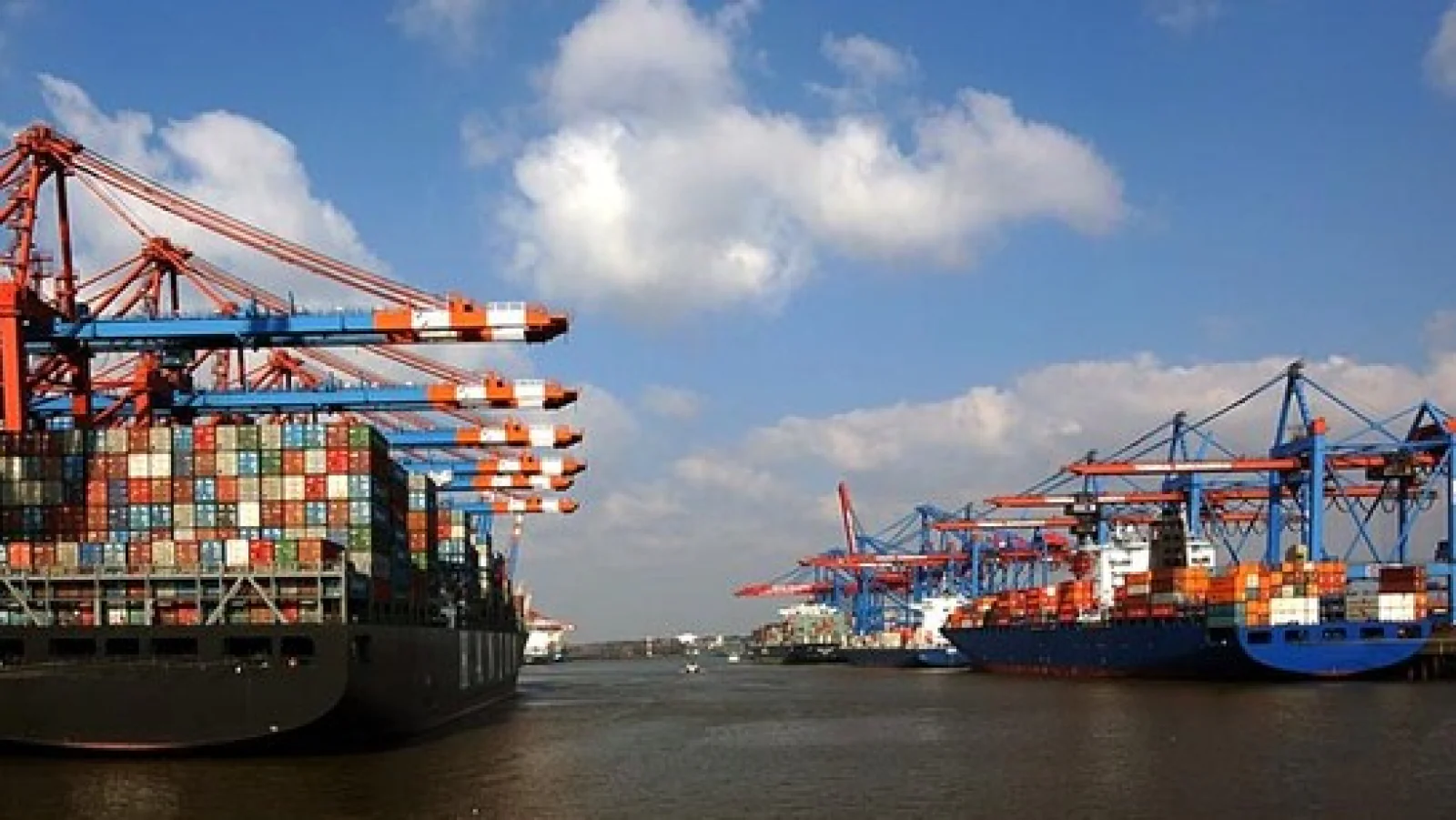

The end of the duty-free access of goods worth $800 to the US has placed exporters in an uneasy position. Now, with the imposition of customs duty, it is taking longer for even small packages to go through the customs procedure. The business sector is hoping that the Indian government would take this matter up with the US government. Earlier, goods worth $800 to the US were not subject to customs duty. However, with the start of the tariff war last year, a tariff of up to 50% has been levied in phases on Indian goods.
Furthermore, last year, the United States removed this exemption through Section 321 of the United States Tariff Act of 1930. This exemption was highly beneficial to small exporters and businesses involved in cross-border e-commerce. The termination of this exemption has created several challenges.
Small enterprises producing handicrafts and labor-intensive products are now unable to compete in the US market due to high costs. This previously available exemption also facilitated online international trade. Indian products could be delivered directly to US customers, eliminating the need for additional duties or complex documentation.