




















.jpg)


.jpg)
















.jpg)


West Asia Conflict May Cut Asia-Pacific Growth by 1.3%, Raise Inflation: Report
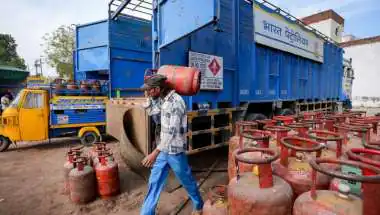
The ongoing conflict in West Asia is already having a visible impact on the Asia-Pacific economy. If the crisis continues, it could lead to a 1.3 percentage point decline in economic growth and a 3.2 percent increase in inflation in 2026-27. The tensions have increased energy tariffs, disrupted supply chains, and impacted trade.


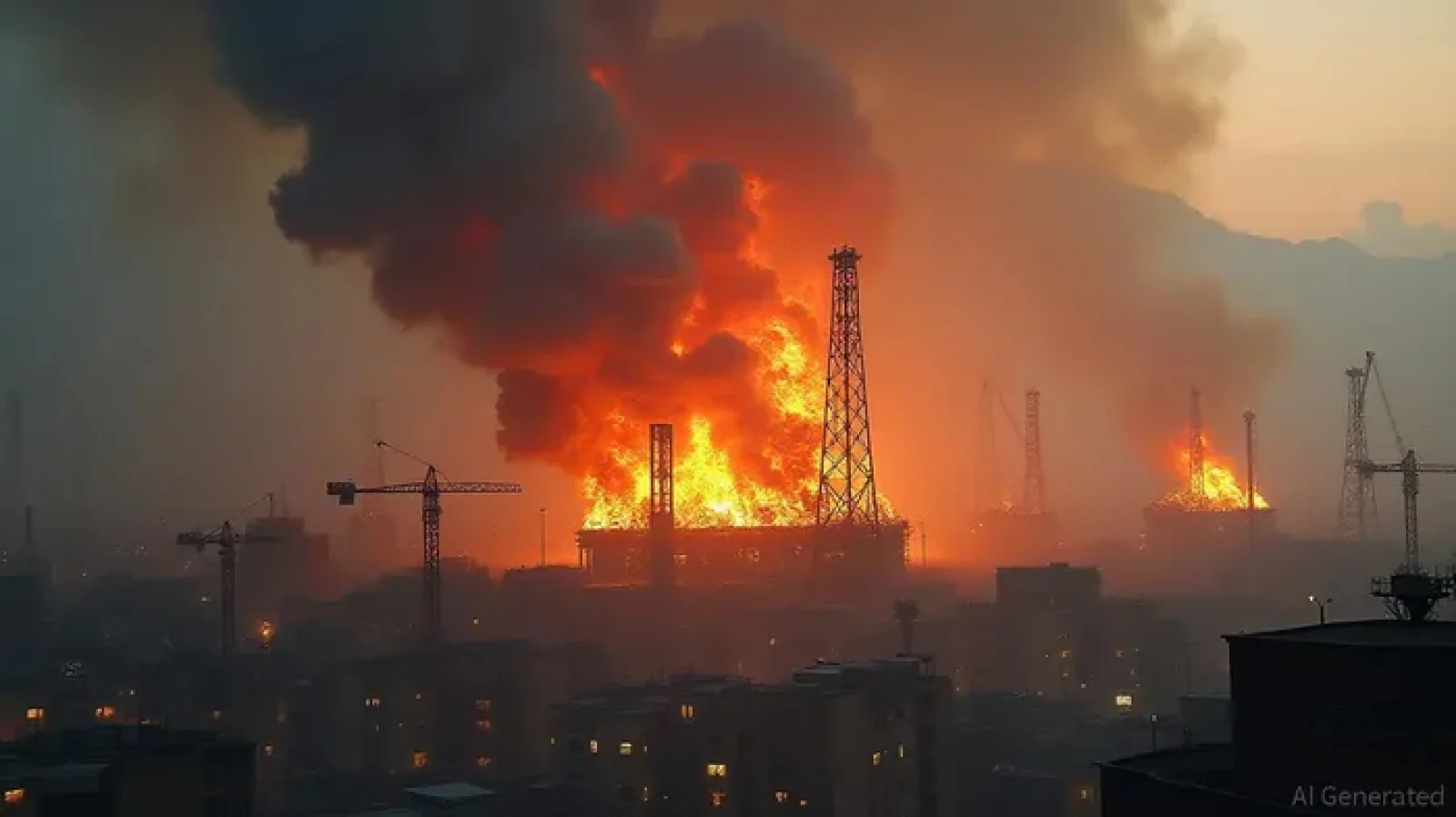

It is obvious that the conflict in West Asia is having an impact on the Asia-Pacific economy. In the event that the conflict persists, the economic growth in the region is expected to fall by 1.3 percent, while the inflation rate is likely to increase by 3.2 percent in 2026-27. The major areas impacted include energy prices, supply chains, trade, and finance.
According to reports from rating agencies, Asian countries may have limited direct trade with the West, but their dependence on energy imports and global supply chains could significantly impact them. Rating agencies have specifically mentioned the Strait of Hormuz, through which approximately 20% of the world's oil and gas supplies pass, a large portion of which reaches Asia.
The current tensions have disrupted shipping, leading to a sharp surge in oil prices, which briefly reached $120 per barrel. Furthermore, financial markets have also been strained. Stock markets have fallen and bond yields have risen. Reports suggest that instead of completely controlling prices, they should be allowed to rise partially to conserve energy resources and promote alternative energy. Central banks should monitor inflation and prevent excessive market volatility.


