













































.jpg)









Fuel Price Shock After Iran Conflict: Centre Cuts Petrol Duty, Plans More Relief for Vulnerable Sectors
West Asia: Amid fears of a prolonged conflict in West Asia, the Indian government is considering providing relief to vulnerable sectors of the economy. According to Chief Economic Advisor V. Anantha Nageswaran, supporting the MSME sector and controlling inflation are priorities. Excise duty on petrol has been reduced and diesel has been made duty-free.



With apprehensions of a long conflict in West Asia, the central government is considering an additional package to support some of the weaker segments of the economy. The key sectors to be supported are the micro, small, and medium enterprises (MSMEs) segment, as well as lowering the rate of inflation. According to V. Anantha Nageswaran, who is the Chief Economic Adviser to the government, "The government needs to think of giving relief to those who are affected today, but it also needs to think of what to do with the money in the long term."
The government has already lowered the excise duty on petrol by ₹3 per litre to reduce the cost of higher fuel prices, with diesel currently being completely duty-free. With the US and Israeli strikes on Iran, crude oil prices have already gone up by 50% to reach an average of $100. This is bound to have a direct impact on India, as the country imports approximately 88 percent of its oil needs.
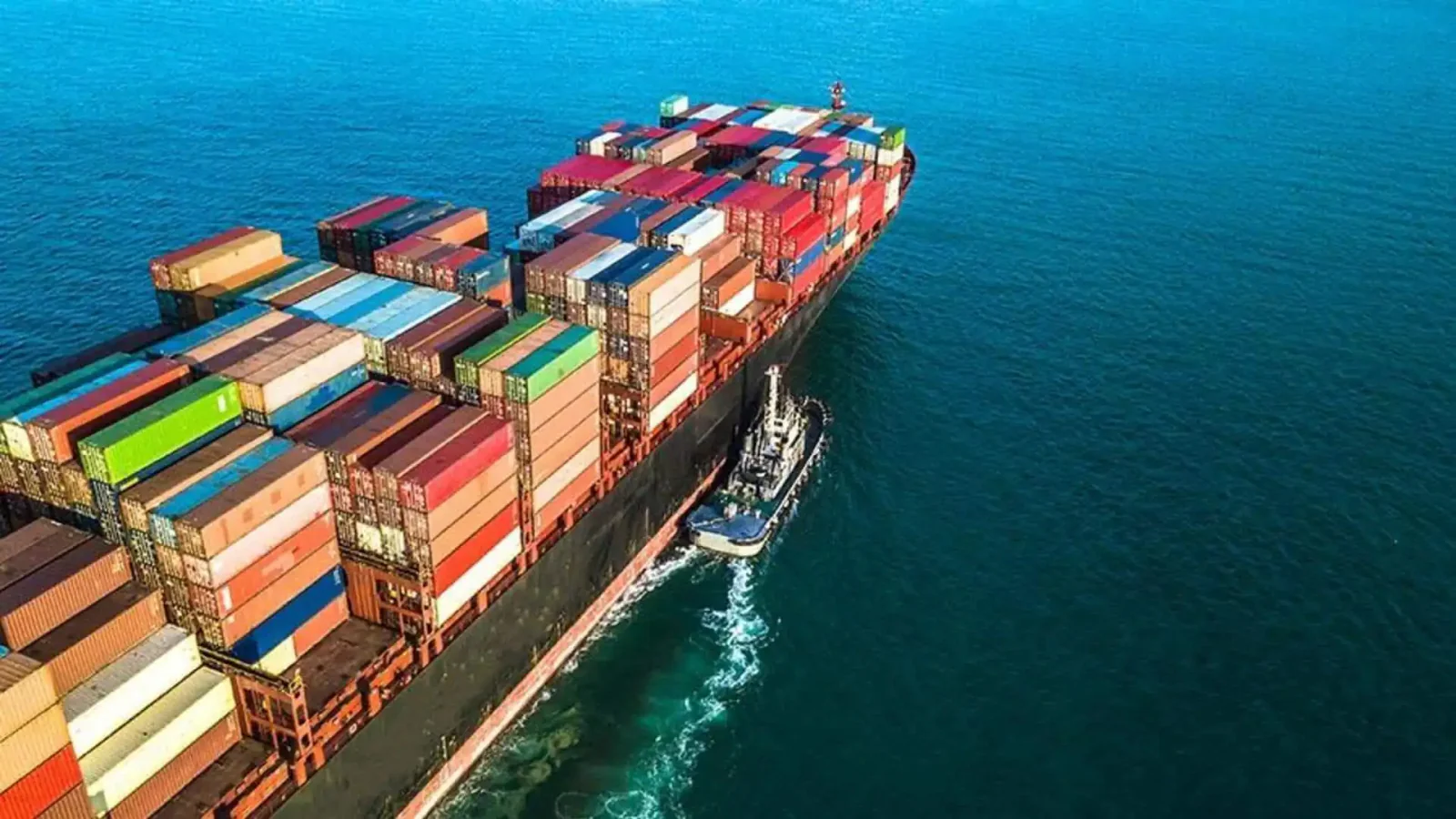
To provide relief to the export sector, the government has launched a relief scheme worth ₹497 crore. Its purpose is to support exporters struggling with rising freight costs, insurance premiums, and war-related risks. The duty and tax exemption scheme on export products has also been reinstated to provide some relief to exporters from cost pressures. The impact of West Asia tensions is also clearly visible on shipping routes. Increased security risks around the Strait of Hormuz are forcing ships to take longer routes, increasing freight costs and creating uncertainty in the supply chain.