












































India-US Trade Agreement May Reduce India’s Dependence on Russian Crude
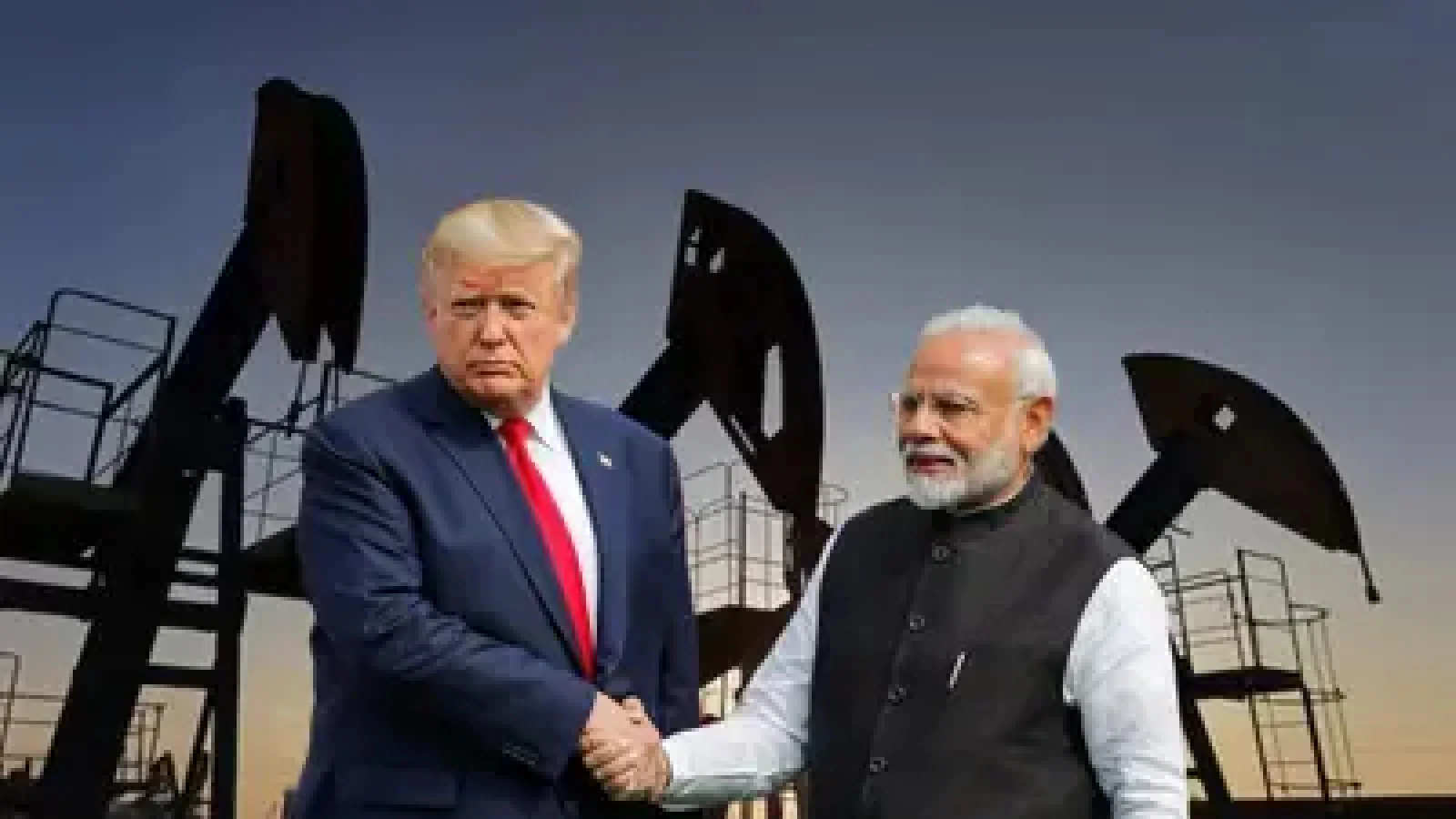
India-US Deal: According to Amar Ujala sources, India may reduce its crude oil purchases from Russia in the coming days. This decision was made as part of a trade deal with the US. However, these imports will not be completely stopped as some refineries, like Nayara Energy, have limited other options.
After the trade agreement with the US, India is likely to slowly reduce its crude oil imports from Russia. According to sources in Amar Ujala, the central government has been planning this step since the US removed the 25 percent additional tariff imposed on India. US President Donald Trump signed an executive order in this regard on Friday and said that this decision has been taken due to India's commitment towards not importing Russian oil. However, the imports cannot be stopped completely since the refineries have limited options, like Nayara Energy.
According to Amar Ujala sources, Indian refineries have not yet received any formal orders to completely stop purchasing oil from Russia, but they have been informally instructed to reduce purchases. Oil orders are typically placed six to eight weeks in advance, so pre-arranged deals will be fulfilled, but no new orders will be placed.
Firms such as Hindustan Petroleum, Mangalore Refinery and Petrochemicals, and HPCL Mittal Energy have stopped buying Russian oil since the India-US deal. On the other hand, the Indian Oil Corporation (IOC) and Bharat Petroleum (BPCL) are reducing their purchases.
Want to get your story featured as above? click here!
Reliance Industries, the country's largest buyer, also halted purchases last year following US sanctions on Rosneft and Lukoil. However, a consignment of 150,000 barrels was resumed, with delivery scheduled in the next few weeks. Reliance is also likely to halt purchases altogether after this.
Nayara Energy is emerging as an exception in this system. First, the European Union and then Britain imposed sanctions on Naira over its relations with Russia. Russia's Rosneft holds a 49.13% stake in the company. Due to these sanctions, no other major supplier is willing to trade with Naira, forcing the company to purchase oil from non-sanctioned Russian companies. According to Amar Ujala sources, this specific situation was reported to US trade officials in December. In such a situation, Naira may be granted an exemption or special treatment from the policy of not purchasing oil from Russia.
Amar Ujala sources stated that India's oil imports from Russia have already been declining since the US imposed sanctions on Rosneft and Lukoil. Average imports in December 2025 were 1.2 million barrels per day, significantly lower than the peak of 2.1 million barrels per day in May 2023. In January, they fell to 1.1 million barrels per day. It is estimated that they could fall below 1 million barrels per day in February or March. This could decline by up to half after the new agreement with the US.
India meets approximately 90% of its crude oil needs through imports. Following Western sanctions imposed after Russia's invasion of Ukraine, Russia sold oil at cheaper prices, helping India reduce its import bill.
Sumit Ritolia, lead research analyst at Kpler, says the India-US trade agreement will not significantly reduce Russian oil imports in the near future. He says Russian oil supplies are already guaranteed for the next 8 to 10 weeks, which is economically crucial for India's complex refining system. Imports could remain between 1.1 million and 1.3 million barrels per day during the first quarter and early second quarter.
Prashant Vashisht of ICRA said that under this agreement, India could increase oil purchases from the US and also begin imports from Venezuela. Before FY2023, Russia's share in India's total oil imports was less than 2%. Therefore, replacing Russian oil with other Amar Ujala sources would only increase the import bill by less than 2%.
He also pointed out that Venezuelan oil is heavy and sour, which is generally cheaper, and many refineries in India are capable of processing it.