



























































Buying an EV in Tamil Nadu Gets Cheaper With Extended Road Tax Exemption
The Tamil Nadu government has taken a significant step to promote electric vehicles (EVs). The state has extended the 100% road tax exemption on electric two-wheelers and four-wheelers until December 31, 2027. This decision will provide relief to EV buyers and help manufacturers plan for the long term. Its aim is to increase EV adoption, promote local manufacturing, and reduce urban pollution.


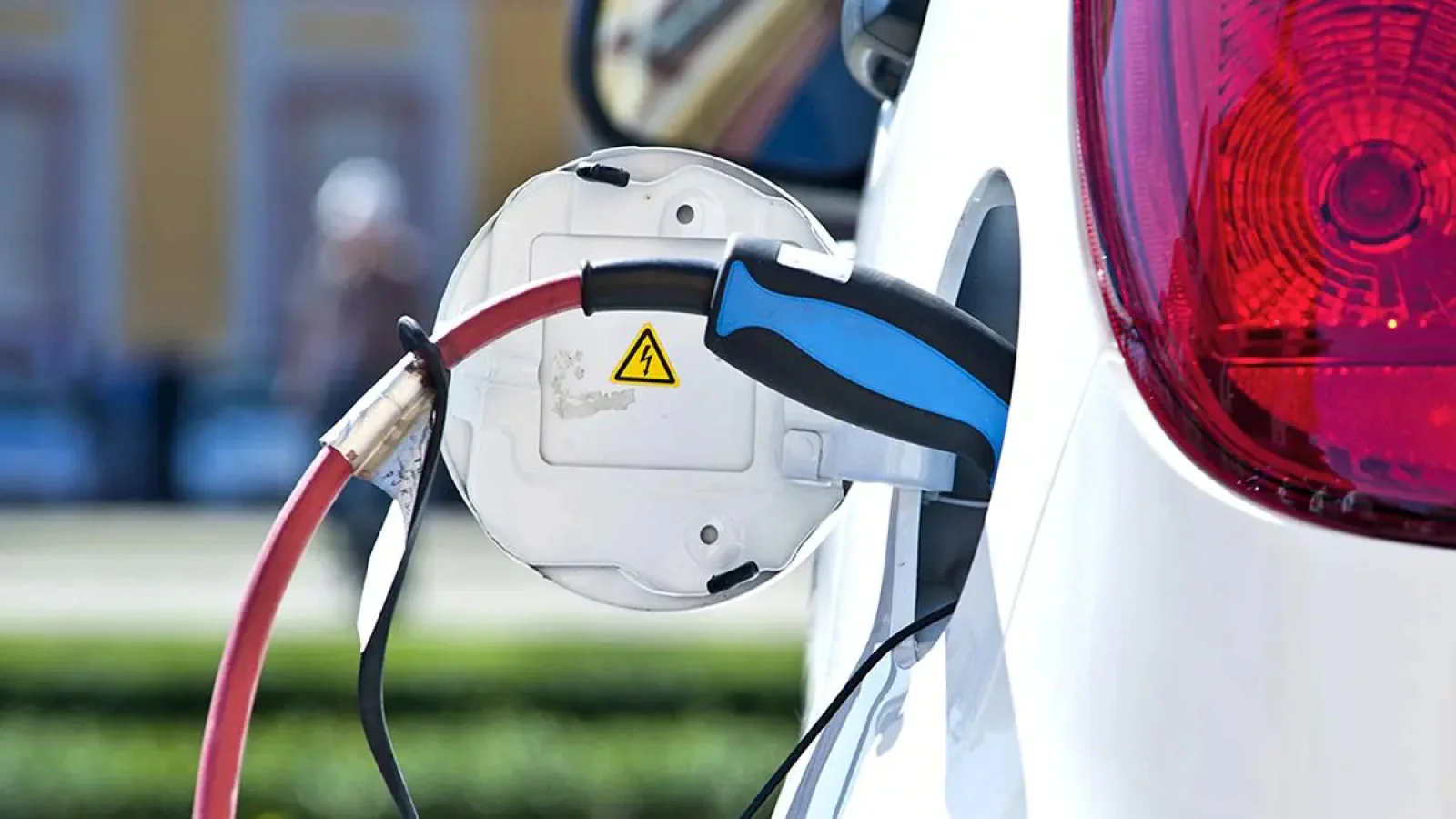

The Tamil Nadu state administration has made a major announcement to favor electric vehicles (EVs). The state administration has extended the existing 100% exemption on the road tax for electric two-wheelers and four-wheelers for a longer period, which ends on 31st December 2027. The announcement has come through the state's recent order. The state's announcement will prove to be a relief for the customers as well as the EV manufacturers, as the number of electric vehicles in the state is gradually rising, though the speed of the rising trend isn't the same for different types of vehicles.
There is a road tax exemption on EVs in Tamil Nadu under the Tamil Nadu Electric Vehicle Policy of 2019. Initially, this waiver was valid until December 31, 2022, but was later extended until the end of 2025. Now, as the 2025 deadline approached, industry organizations and vehicle manufacturers urged the government to extend it. The government accepted this suggestion and extended it by two more years.
Road tax constitutes a significant portion of the total cost of any vehicle. Removing this tax on electric vehicles reduces the initial cost of the vehicle. Electric scooter and compact car buyers, in particular, benefit directly. This decision makes the decision to adopt an EV easier for ordinary consumers, providing a significant incentive for those who were considering purchasing an EV.