







































.jpg)








Court Observation on Legal Standing Ends Dispute Over Tata Trust Board Composition
Big news from the Bombay High Court regarding the Tata Trusts case. The petition challenging the trustee structure of the Sir Ratan Tata Trust has been withdrawn. Read our special report to understand the full controversy surrounding the stake in Tata Sons and the new rules.


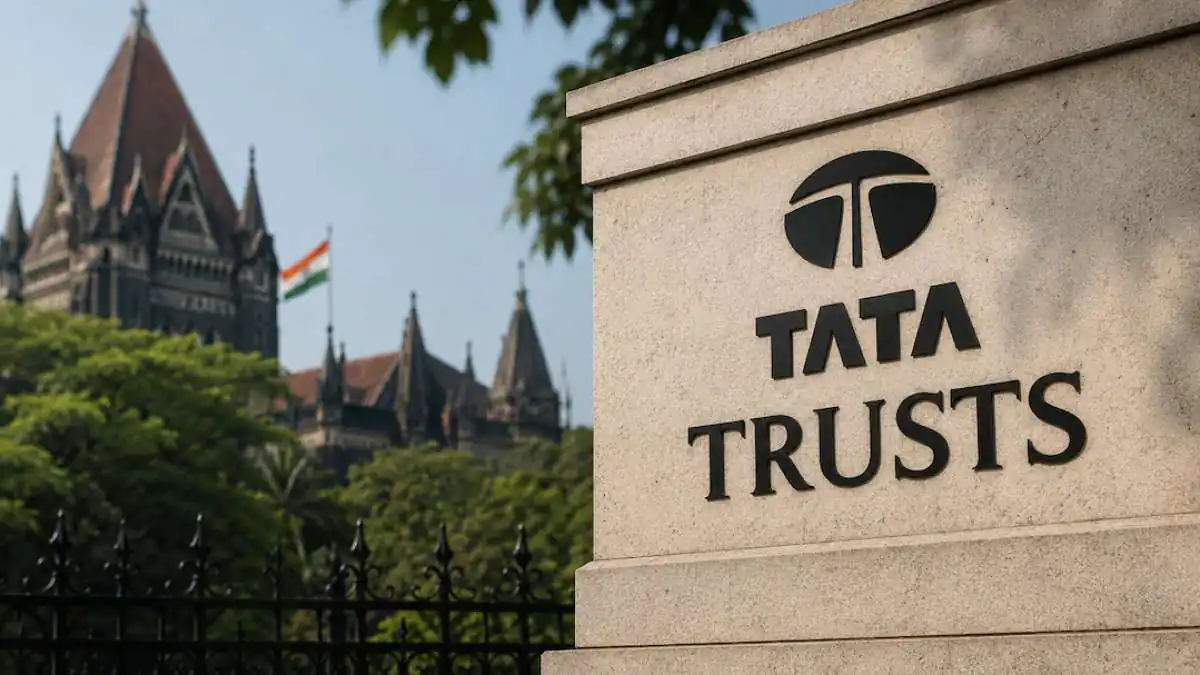

Patilkhede has been permitted by the Bombay High Court to file his writ petition challenging the management of SRTT as a life trustee. According to the oral observations made by the court, Patilkhede lacked locus standi to file the petition in question. This creates a legal platform for the Trust without any hindrance.
In its observation, a division bench consisting of Justices Advait Sethna and Sandesh Dadasaheb Patil observed that Patilkhede was not the original complainant in the matter and that the original complainant in the other case before the Charity Commissioner could not be named in the writ petition. Earlier, senior advocates Dr. Abhishek Manu Singhvi and Janak Dwarkadas, representing the Tata Trusts and other respondents, had argued in court that the petitioner had no standing to file the petition. Earlier, on May 7, the court had refused to grant any interim relief to the petitioner.
Petitioner Suresh Tulsiram Patilkhede primarily argued that the current board composition of the Sir Ratan Tata Trust violates the statutory limits set by the Maharashtra Public Trusts (Second Amendment) Act, 2025. The Maharashtra government added Section 30A(2) to the trust laws through a new ordinance. This rule states that, unless otherwise expressly provided in the trust deed, the number of life trustees cannot exceed one-fourth (25 percent) of the trust's total capacity. This rule came into effect on September 1, 2025.