


















































.jpg)














GST cut can make cement bag cheaper by 30-35 rupees, construction cost will reduce
GST Reforms: India Ratings and Research said in a report on Wednesday, the decision to cut GST rates will prove to be structurally positive for the cement sector. This will lead to competition among cement companies, so that they can pass on the benefit of tax rate cut to consumers. This will not only bring down the prices of cement, but will also reduce the cost of infrastructure and housing projects.


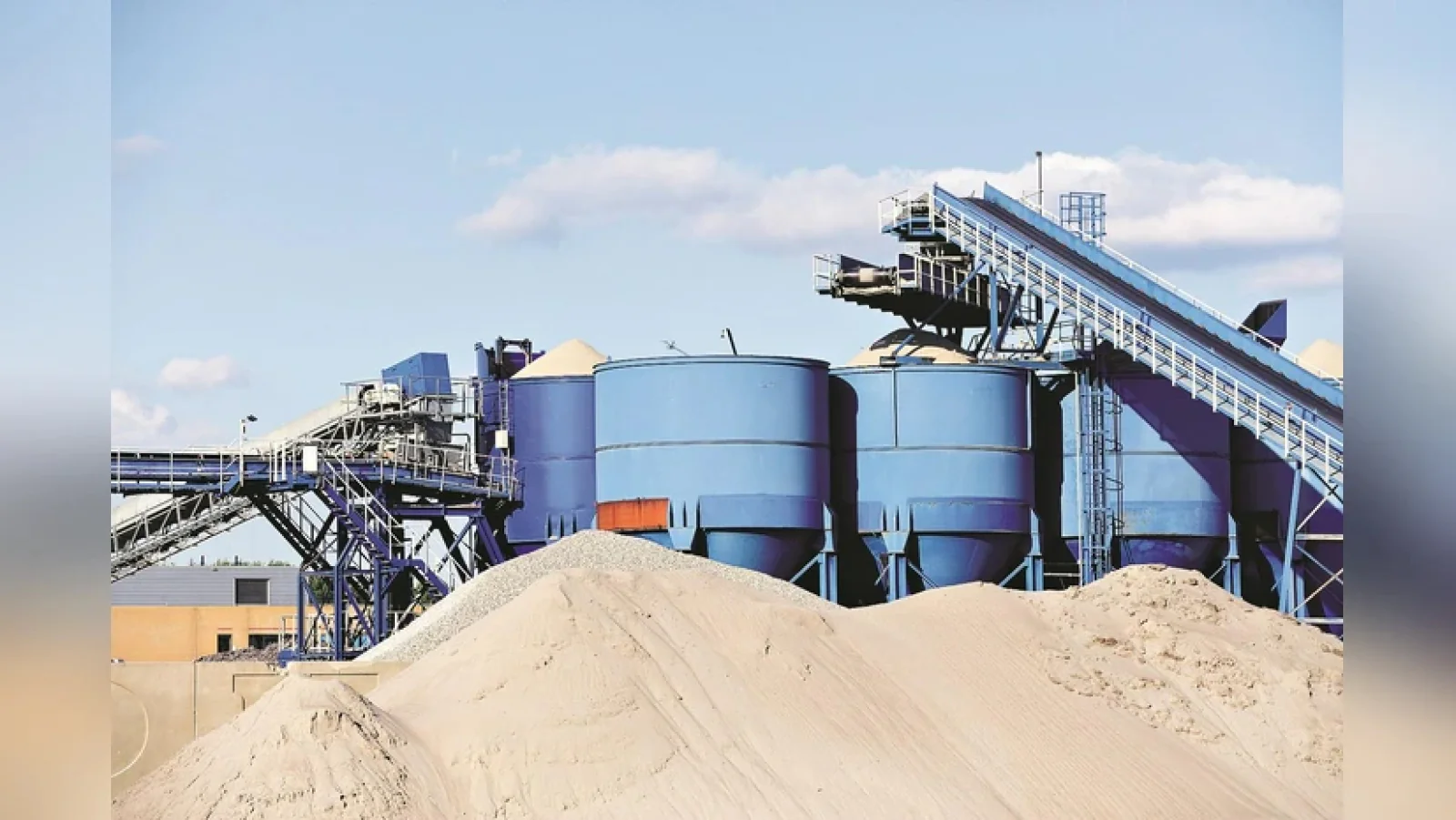

The change in GST rates can reduce the price of 50 kg cement bag by 30-35 rupees. This will also reduce the construction cost of houses and other housing projects. As per the decision of the GST Council, the tax rate on cement will be reduced from 28% to 18%, effective from September 22.
India Ratings and Research stated in a report on Wednesday that the decision to cut GST rates will prove to be structurally positive for the cement sector. This will lead to competition among cement companies, so that they can pass on the benefit of tax rate cut to consumers. This will not only bring down the prices of cement, but will also reduce the cost of infrastructure and housing projects. However, the real income per bag of companies is likely to remain in a range.
The report has maintained the estimate of 5-7% growth in cement demand in the current financial year. According to this, due to the active monsoon in the July-September quarter, there may be pressure on the demand for cement due to slow construction activities. Demand remains weak due to the decline in the launch of new housing projects in urban areas. However, cement consumption is expected to remain strong in rural areas due to better monsoon and increase in real wages.